When braces may help correct bite or spacing concerns is something many patients don’t think about until discomfort or visible changes start to show. Small alignment issues can quietly affect how your teeth function over time. Catching these signs early can make treatment simpler and more effective.
At Dentist of Anaheim, we often see patients who didn’t realize their bite or spacing issues could impact more than just appearance. Things like uneven pressure, difficulty chewing, or jaw discomfort can all be connected.
In this guide, you’ll learn the signs that braces may be needed, the types of bite problems they can correct, and how treatment works step by step. We’ll also explain how correcting these issues supports long-term oral health and daily comfort.
Trouble Chewing, Speaking, or Closing Your Teeth Comfortably
If your bite doesn’t line up, chewing and speaking might feel like a struggle. Some foods seem awkward to bite into, or your jaw gets tired after meals. Speech can suffer too, especially when teeth aren’t where they should be.
You might not realize it, but even small shifts can muddle how you say certain sounds.
Mouth breathing deserves a mention. If your teeth don’t close easily when you’re at rest, you might start breathing through your mouth. Over time, this habit messes with your airway, sleep, and even your oral health.
Crowded Teeth, Crooked Teeth, and Gaps Between Teeth
Crowded teeth twist and overlap, making brushing and flossing a pain. Plaque loves to hide in those tight spots where brushes can’t reach. Eventually, this boosts your risk for cavities and gum trouble, which nobody wants.
Gaps between teeth trap food, and that can irritate your gums. Crooked teeth don’t just look off—they mess with how your mouth works. Usually, these spacing issues mean your teeth are fighting for space they just don’t have.
Jaw Pain, TMJ Symptoms, and Tooth Wear
A bad bite puts weird pressure on your teeth and jaw joints. That can trigger jaw pain, clicking, or the kind of discomfort people link to TMJ.
Tooth wear is another biggie. When teeth don’t meet evenly, some take more of a beating than others. That extra force wears down enamel faster, which leads to sensitivity and weakens teeth over time.
The Bite Problems Braces Often Fix
Braces have stood the test of time for fixing malocclusion, which just means a misaligned bite. Several bite problems respond really well to orthodontic care, from overbites to crowding. Knowing where your concern fits helps you set the right expectations for treatment.
Overbite, Underbite, and Buck Teeth
An overbite happens when your upper front teeth stick out too far over the lower. This puts pressure on your lower gums and wears down those teeth. Buck teeth, or front teeth that jut out, affect both your look and your bite.
With an underbite, your lower teeth sit in front of your upper teeth when you bite. That throws off bite strength and makes chewing feel weird. Braces handle both issues well as part of a solid orthodontic plan.
Crossbite and Open Bite
A crossbite pops up when some upper teeth sit inside your lower teeth instead of outside. It can hit just one tooth or a whole section. If you ignore a crossbite, you risk uneven jaw growth and gum recession.
An open bite means your front teeth don’t touch when your mouth closes. Biting into food gets tricky, and speech can take a hit. Braces gently guide those teeth into place, closing the gap as treatment goes on.
Malocclusion Linked to Crowding and Spacing
Crowding and spacing issues send a lot of folks to the orthodontist. Not enough space? Teeth overlap and twist. Too much space? Gaps form, and your bite falls apart.
Both crowding and spacing feed into malocclusion. Braces use steady, gentle pressure to shift teeth into spots where they fit and support a healthy bite.
How Braces Move Teeth Into Better Alignment
Orthodontic care works slowly. Braces don’t move teeth overnight. Instead, they use a gentle, steady force that nudges each tooth into position over time.
Why Controlled Tooth Movement Is Important for Safety
Braces move teeth gradually to protect the surrounding bone and tissues. According to the American Dental Association, controlled pressure allows bone to adapt safely as teeth shift into place.
This process ensures that movement happens without damaging the roots or supporting structures. This slow and steady approach is key to achieving long-lasting results. It allows your teeth to settle into proper alignment while maintaining the health of your gums and jawbone.
How Braces Use Steady Pressure
Your bone tissue adapts to constant pressure, letting teeth move. On one side of a shifting tooth, bone breaks down a bit to make room. On the other side, new bone grows in behind it. This process lets teeth move safely without hurting nearby structures.
Consistency matters. Braces work because they push continuously, not in quick bursts. That steady force drives alignment and bite correction forward, month after month.
Brackets, Bands, and Wires Working Together
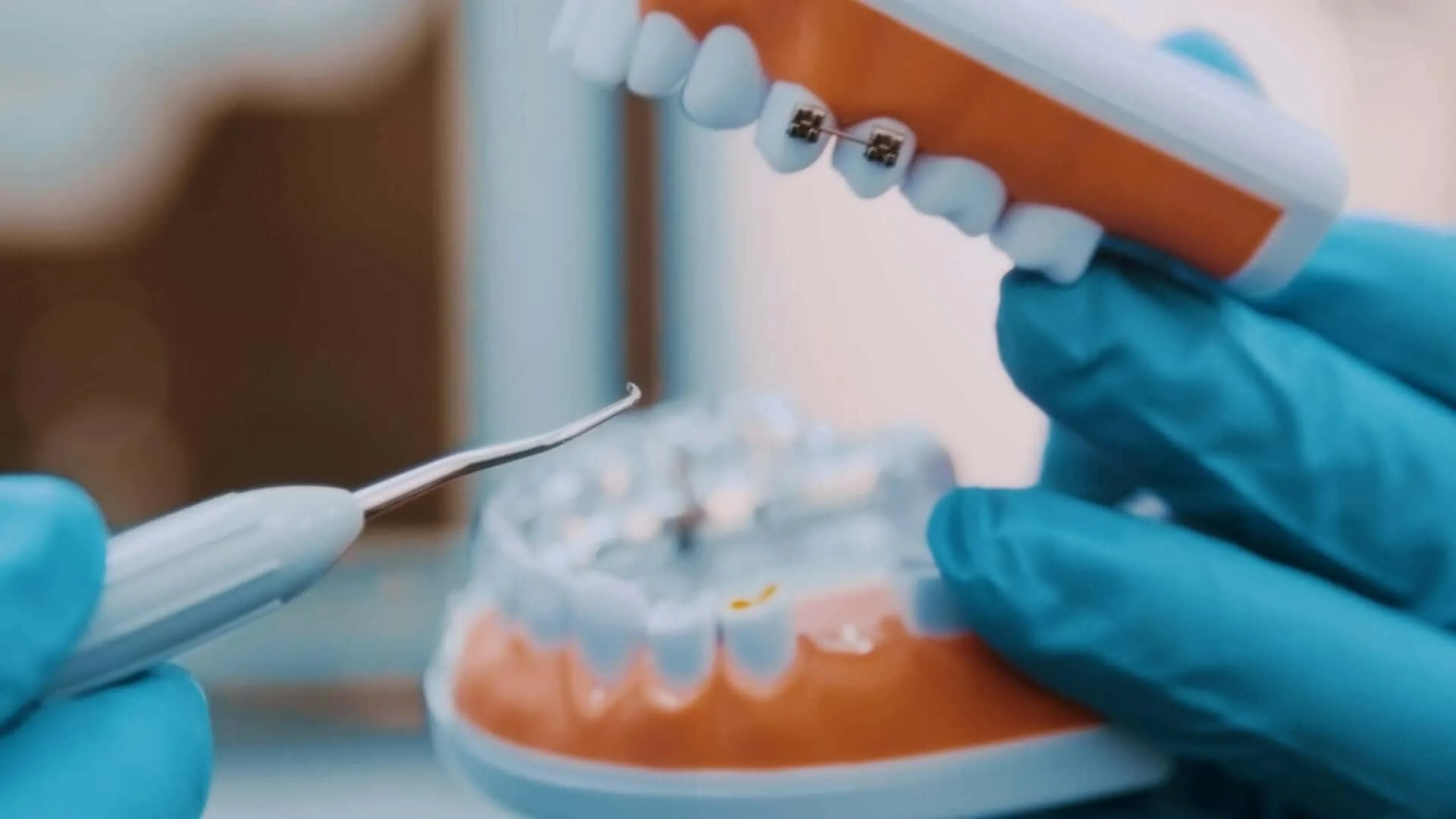
Each bracket gets bonded right onto a tooth. The wire threads through the brackets, creating tension that moves teeth. Sometimes bands go around the back teeth to anchor the whole setup.
As treatment moves along, the orthodontist adjusts the wire to change or boost pressure. That’s how they guide each tooth to its target spot. Brackets, bands, and wires together offer precise control over every tooth’s movement.
Why Some Cases Need More Than Straightening
Straightening is just one part of what braces do. Fixing your bite often calls for extra steps. Rubber bands, or elastics, sometimes help shift how your jaws line up. Occasionally, you’ll need other appliances with braces to address jaw alignment.
That’s why a thorough exam before starting matters so much. The plan isn’t just about making teeth look straighter. It’s about making sure your upper and lower teeth work together the way they should.
Which Treatment Option Fits the Concern Best
Not every bite or spacing issue needs the same fix. The orthodontist will match the approach to your case, lifestyle, and goals. Each option comes with its own perks, depending on what you need to correct.
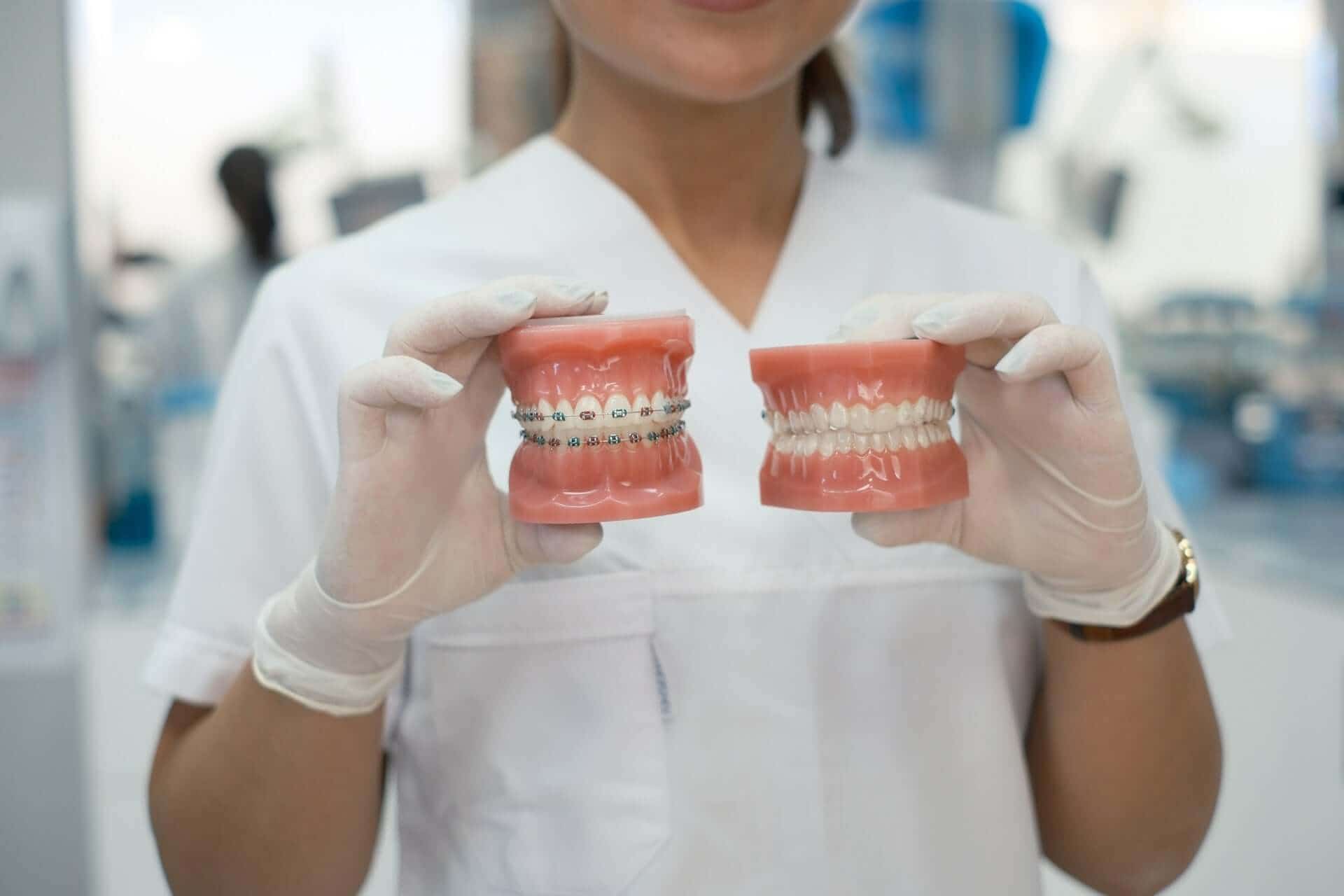
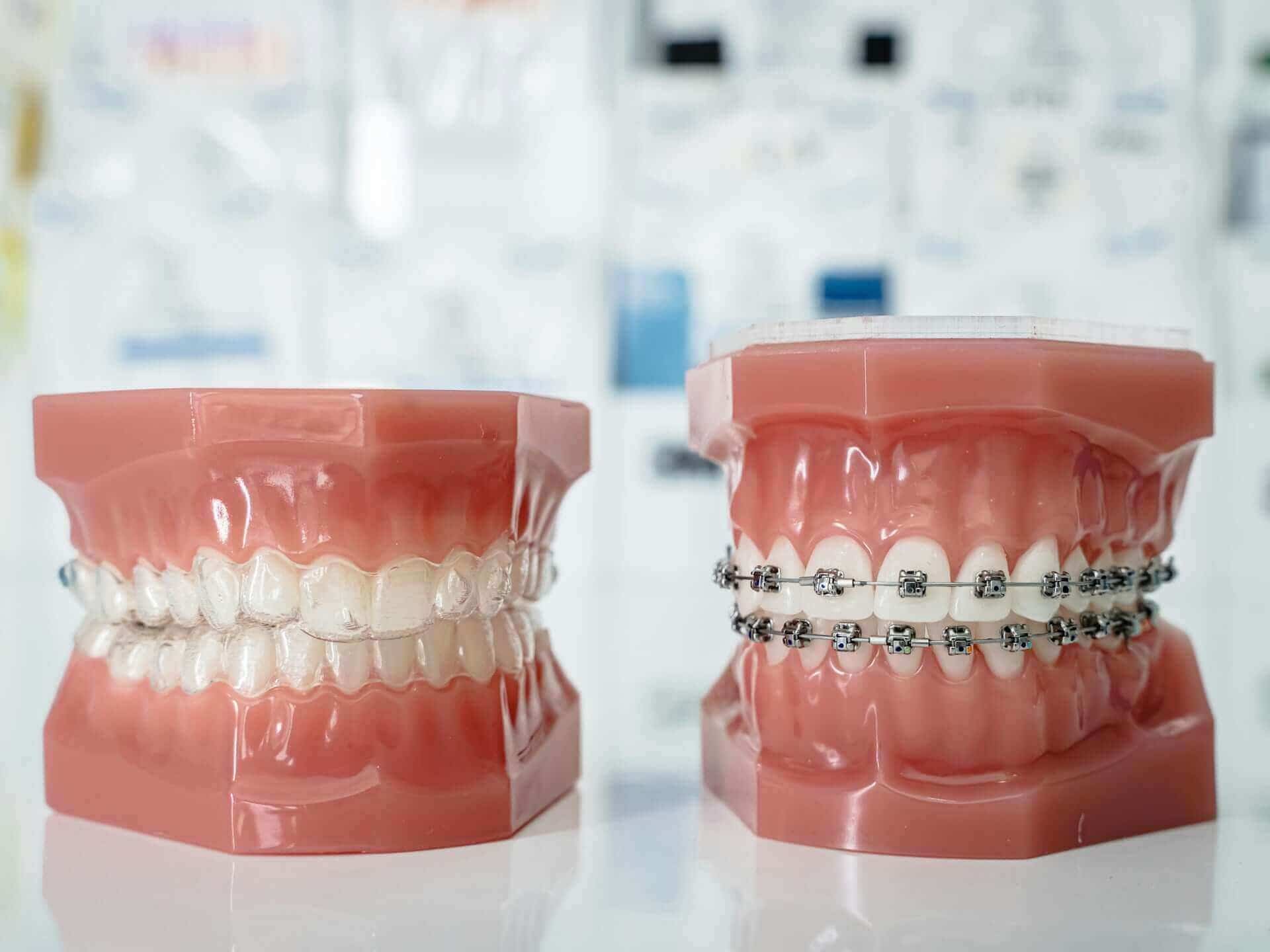
Traditional Braces, Ceramic Braces, and Lingual Braces
Traditional metal braces are the go-to for a wide range of bite and spacing issues, even the tough ones. They’re tough and give the orthodontist precise control the whole way through.
Ceramic braces work like metal ones but use tooth-colored brackets that blend in better. Lingual braces hide on the inside of your teeth, so they’re nearly invisible from the front. Both give you cosmetic advantages while still fixing bite and alignment problems.
Clear Aligners and Invisalign® for Mild to Moderate Cases
Clear aligners, like Invisalign®, use custom, removable trays to shift teeth gradually. They’re popular for mild to moderate crowding, spacing, and bite issues. Since you can take them out, cleaning your teeth is easier.
Invisalign® appeals to adults and teens who want something less obvious. The trays fit smoothly, which most people find comfortable. But you have to wear them a lot—usually 20 to 22 hours a day—for them to work.
When an Orthodontist May Recommend One Approach Over Another
Concern | Likely Recommended Option |
Severe overbite or underbite | Traditional braces with elastics |
Mild to moderate crowding or spacing | Clear aligners or ceramic braces |
A crossbite affects jaw alignment | Traditional braces, maybe with appliances |
Open bite | Braces or Invisalign®, depending on severity |
Cosmetic preference with a moderate case | Ceramic or lingual braces |
The orthodontist will check your bite, jaw, and tooth positions before suggesting a plan. There’s really no one-size-fits-all answer here.
Why Correcting the Problem Can Protect Oral Health
Straightening teeth isn’t just about looks. If you ignore bite and spacing problems, you risk your long-term oral health. Fixing these issues helps your smile look better and function better every single day.
Reducing Risk for Tooth Decay and Gum Disease
Crowded and overlapping teeth trap food and plaque in spots that brushes and floss just can’t reach. Over time, that gunk raises your risk for cavities and gum disease. Straighter teeth? They’re just easier to keep clean, plain and simple.
Gum recession can show up when bite pressure isn’t spread out properly. Aligned teeth make brushing and flossing more effective, and your gums don’t get irritated by weird forces.
Protecting the Jaws, Gums, and Supporting Bone
Ignoring a bad bite strains your jaw joints and the bone under your teeth. TMJ problems can get worse when the jaw keeps getting forced into awkward spots. Bone loss around teeth gets more likely if gum disease takes hold in hard-to-reach places.
Bite correction spreads chewing forces more evenly. That protects your jawbone and gum tissue in the long run. Dealing with these concerns early usually means simpler, more predictable results.
Supporting Long-Term Oral Health and Daily Comfort
Chewing gets easier, so individual teeth and jaw muscles don’t get overworked
Better bite means less enamel wear from grinding or uneven pressure
Speech often improves when the teeth line up right
Daily cleaning gets simpler, which lowers your risk for more dental work later
Jaw pain and TMJ symptoms usually fade after bite correction
When your bite works right, eating, talking, and even sleeping just feel better. It’s hard to overstate how much this can improve your day-to-day life.
What Treatment and Aftercare Usually Involve
Orthodontic treatment starts with a detailed exam and a plan tailored to your needs. Knowing what’s ahead helps you stay on track and get the best results.
Your Exam, X-Rays, and Personalized Treatment Plan
That first appointment usually means a clinical exam, X-rays, and maybe digital scans of your teeth and bite. These details give the orthodontist a full view of how everything’s lining up.
Next, a personalized plan gets mapped out. It spells out which braces or aligners make sense, how long treatment should last, and what bite or spacing issues need fixing. Your goals, daily routine, and budget all play a part in the discussion.
Cleaning Around Brackets With a Floss Threader or Interdental Brush
Keeping teeth clean during braces takes extra effort, but it’s crucial. Brackets and wires create new places for food and plaque to hide.
A floss threader lets you sneak floss under the wire to clean between teeth. An interdental brush fits between brackets and small gaps that regular brushes miss. Using these tools regularly protects your gums and enamel while you’re in treatment.
Why Retainers Matter After Active Treatment
When the braces come off, or you finish your last aligner, your teeth need time to settle in. Retainers keep your teeth in their new spots while bone and tissue stabilize around them.
Skipping your retainer is a fast way for teeth to shift back. The orthodontist will tell you how long and how often to wear it based on your case. Stick to that schedule to protect all the progress you made during treatment.
Why Addressing Bite and Spacing Concerns Matters Early
Understanding when braces may help correct bite or spacing concerns can make a meaningful difference in your oral health. Small issues can develop into bigger problems if left untreated, affecting comfort, function, and long-term stability. Addressing them early often leads to simpler and more predictable outcomes.
At Dentist of Anaheim, we focus on helping patients understand their options clearly and comfortably. Whether your concern is minor spacing or a more complex bite issue, our goal is to guide you with care that fits your needs. We believe that informed decisions lead to better results and a more positive experience.
If you’re noticing changes in your bite or alignment, schedule a consultation today. Take the first step toward improving your comfort, function, and confidence with a personalized treatment plan.
Frequently Asked Questions
When do braces help correct bite or spacing concerns?
Braces help correct bite or spacing concerns when teeth are misaligned or do not fit together properly. Braces help correct bite or spacing concerns by applying steady pressure to move teeth into better positions. Early evaluation helps determine when braces help correct bite or spacing concerns.
Can braces fix bite problems like overbite or underbite?
Yes, braces can fix bite problems like overbite or underbite. Braces can fix bite problems by gradually adjusting the position of your teeth and jaw alignment. An orthodontist will decide how braces can fix bite problems based on your case.
Do braces help with crowded or spaced teeth?
Yes, braces help with crowded or spaced teeth by moving them into proper alignment. Braces help with crowded or spaced teeth using controlled pressure over time. This improves both appearance and function.
How long do braces take to correct bite or spacing concerns?
Braces take about 18 to 24 months to correct bite or spacing concerns in most cases. Braces take more or less time depending on the severity of the issue. Your orthodontist will estimate how long braces will take for your specific case.
Why is it important to correct bite or spacing concerns early?
It is important to correct bite or spacing concerns early to prevent bigger problems later. Correcting bite or spacing concerns early helps reduce wear, discomfort, and risk of gum disease. Early treatment often leads to better long-term results.