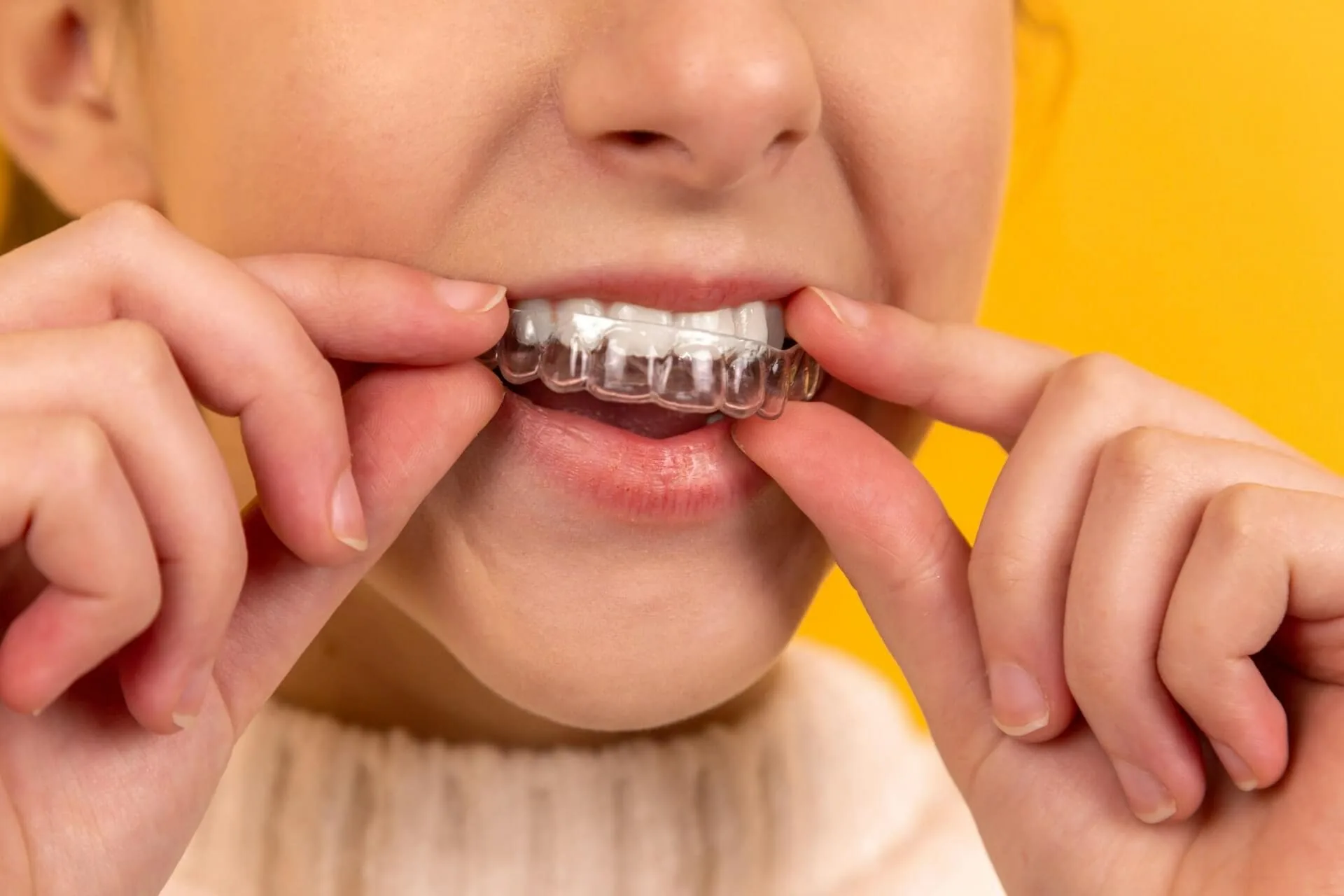
Alignment issues can affect how your teeth function, how your bite feels, and how confident you feel about your smile. Clear aligners or braces gently guide teeth into healthier positions, making everyday tasks like chewing and speaking more comfortable. Understanding these issues in simple terms helps you make informed decisions about your care.
At Dentist of Anaheim, patients receive clear explanations and supportive guidance through every stage of orthodontic treatment. Our goal is to help you understand how alignment problems develop and how modern solutions can improve your oral health.
This article breaks down common alignment issues, explains how clear aligners and braces correct them, and shows what to expect during treatment. You will learn how each concern affects your bite and how orthodontic care can help restore balance and comfort.
Common Alignment Issues Addressed by Clear Aligners and Braces
Many people have problems with how their teeth line up. These issues can cause daily discomfort, affect how you speak or eat, and impact your smile. Clear aligners and braces work to correct these problems, improving both function and confidence.
Understanding Why Alignment Issues Develop
According to the National Institute of Dental and Craniofacial Research, alignment problems often begin when the jaw and teeth grow at different rates, creating too little or too much space. Genetics, early tooth loss, and oral habits can also shift teeth during development.
These changes affect how the bite functions and may increase long-term risks such as enamel wear or gum irritation. Early evaluation helps identify concerns before they become more complex.
Crowded Teeth
Crowded teeth happen when there isn’t enough space in your mouth for all of your teeth. This makes your teeth overlap or twist, which can make cleaning harder. When teeth are crowded, plaque builds up more easily and can lead to cavities or gum problems.
Clear aligners and braces move teeth to create space and line them up properly. This helps your teeth look straighter and makes cleaning easier. Your treatment will be carefully planned to fit your needs and comfort.
Spacing or Gapped Teeth
Spacing or gaps happen when there is too much room between your teeth. These gaps can affect how you bite or speak and may trap food, which increases the risk of tooth decay or gum issues.
Braces and clear aligners close these gaps over time. This helps your teeth come together evenly, improving bite function and creating a healthier smile as the gaps close.
Overbite
An overbite occurs when your upper front teeth stick out too far over your lower teeth. This may cause wear on your teeth or discomfort in your jaw. A large overbite can also change the way your lips close and impact your facial appearance.
Treatment moves your upper teeth back and your lower teeth forward to improve how they fit. Both braces and clear aligners can fix overbites, improving chewing and speech. Your plan will focus on comfort and long-term health.
Underbite
An underbite means your lower front teeth sit in front of your upper front teeth when you bite. This can make chewing and talking difficult. The jaw muscles may strain to compensate, causing discomfort.
Braces or clear aligners align your lower teeth back and your upper teeth forward. This corrects the bite and reduces jaw strain. Fixing an underbite improves function and gives your smile a more natural look.
Correcting Bite Irregularities
Bite problems can affect how you chew, speak, and even how your teeth wear down. Some common issues include gaps when biting, teeth that overlap the wrong way, and excessive vertical overlap. Aligners or braces gently guide your teeth and jaw into better positions to fix these problems.
Open Bite
An open bite happens when your upper and lower front teeth don’t touch when you bite down. This gap can make it hard to bite into foods like sandwiches or apples and may affect your speech, causing a lisp.
Clear aligners or braces move your teeth closer together. In some cases, they also help adjust your jaw position to close the gap. Fixing an open bite improves eating comfort and speech, and protects your back teeth from extra stress.
Crossbite
A crossbite occurs when some upper teeth sit inside the lower teeth instead of on the outside. This can happen in the front or back of your mouth. It may cause uneven wear on your teeth and lead to jaw pain.
Braces or clear aligners shift your teeth to the correct position so the upper teeth rest just outside the lower ones. Treating a crossbite improves your bite balance and reduces the chance of damage to your teeth and gums.
Deep Bite
A deep bite means your upper front teeth cover too much of the lower front teeth when you bite down. This can cause your lower teeth to touch the roof of your mouth, leading to discomfort or damage.
Orthodontic treatment, like braces or aligners, moves teeth to reduce this overlap. This protects your jaw and teeth, makes chewing easier, and improves the overall look of your smile.
Improving Dental Midline Alignment
Fixing your dental midline can improve both the way your teeth line up and how your face looks. Adjusting the center line where your upper and lower teeth meet helps with bite function and can make your smile look more balanced.
Dental Midline Shift
A dental midline shift happens when the center of your upper teeth doesn’t line up with the center of your lower teeth. This may cause uneven pressure when you bite, which can lead to discomfort or extra wear on certain teeth.
Clear aligners or braces move your teeth to bring these midlines into alignment. This correction helps your bite work better and can prevent problems like jaw pain or uneven tooth wear over time.
Effects on Facial Symmetry
When your dental midline is off, it can affect how your face looks. Misaligned midlines sometimes cause one side of your face to appear different from the other, making your smile and jawline less balanced.
Correcting the midline improves facial symmetry, which can boost your confidence. Even small adjustments make a visible difference in how your smile frames your face.
Treating Tooth Rotation and Tipping
Some teeth may turn slightly or lean instead of sitting straight in your mouth. Clear aligners or braces gently guide these teeth back into place, making your smile healthier and easier to clean.
Rotated Teeth
Rotated teeth are teeth that have twisted around their long axis. This can happen if there wasn't enough space when your teeth came in or because of habits like thumb sucking. When a tooth rotates, the surface you see might not line up with the rest of your teeth, making your smile uneven.
Clear aligners or braces apply steady pressure to turn the tooth back to its correct position. This improves how your teeth fit together and makes them easier to brush and floss. Fixing rotated teeth can also prevent uneven wear or jaw pain over time.
Tipped Teeth
Tipped teeth lean forward, backward, or to the side instead of standing straight up. This can happen after losing baby teeth early or due to crowding. A tipped tooth may cause problems when you bite or chew, and can put extra pressure on nearby teeth.
Braces or clear aligners straighten tipped teeth, making your bite more even and reducing stress on your jaw. This helps you avoid discomfort and keeps your smile balanced.
Addressing Less Common Orthodontic Concerns
Some alignment issues go beyond crooked teeth and need special attention. These problems can affect how your jaw moves and how teeth come in. Correcting them often requires a careful plan and sometimes more time.
Jaw Positioning Problems
Jaw positioning problems happen when your upper and lower jaws don’t line up correctly. This might cause an overbite, underbite, or crossbite. These issues can make it hard to chew, speak, or even breathe well.
Clear aligners or braces can shift your teeth to improve jaw alignment, but sometimes additional devices or treatments are needed. Dentists often use X-rays while your jaw is closed to see exactly how your teeth meet. This helps create a plan that straightens teeth and balances your bite.
Impacted Teeth
Impacted teeth are teeth that don’t fully come out or get stuck under the gums. This usually happens with wisdom teeth or canines. Impacted teeth can cause pain, swelling, or push other teeth out of place.
Braces or clear aligners can guide impacted teeth into the right position once they start to move. In some cases, minor surgery may be needed to expose the tooth first. After that, orthodontic tools help bring the tooth into the proper spot.
Creating a Healthier, More Balanced Bite
Alignment issues can influence comfort, appearance, and long-term oral health, but modern orthodontic care offers reliable ways to correct them. Clear aligners and braces move teeth into healthier positions and support better daily function.
At Dentist of Anaheim, we provide warm, clear guidance so you understand your options and feel confident throughout your orthodontic journey. Personalized planning ensures treatment aligns with your goals and comfort level.
If you’re exploring orthodontic care, a friendly consultation can help you learn which option fits your needs. Taking the first step now can lead to a more comfortable bite and a more balanced smile.
Frequently Asked Questions
Many people wonder how clear aligners and braces compare when fixing alignment issues. This section covers benefits, costs, treatment speed, and the best options for specific dental problems.
What are the benefits and drawbacks of clear aligners compared to traditional braces?
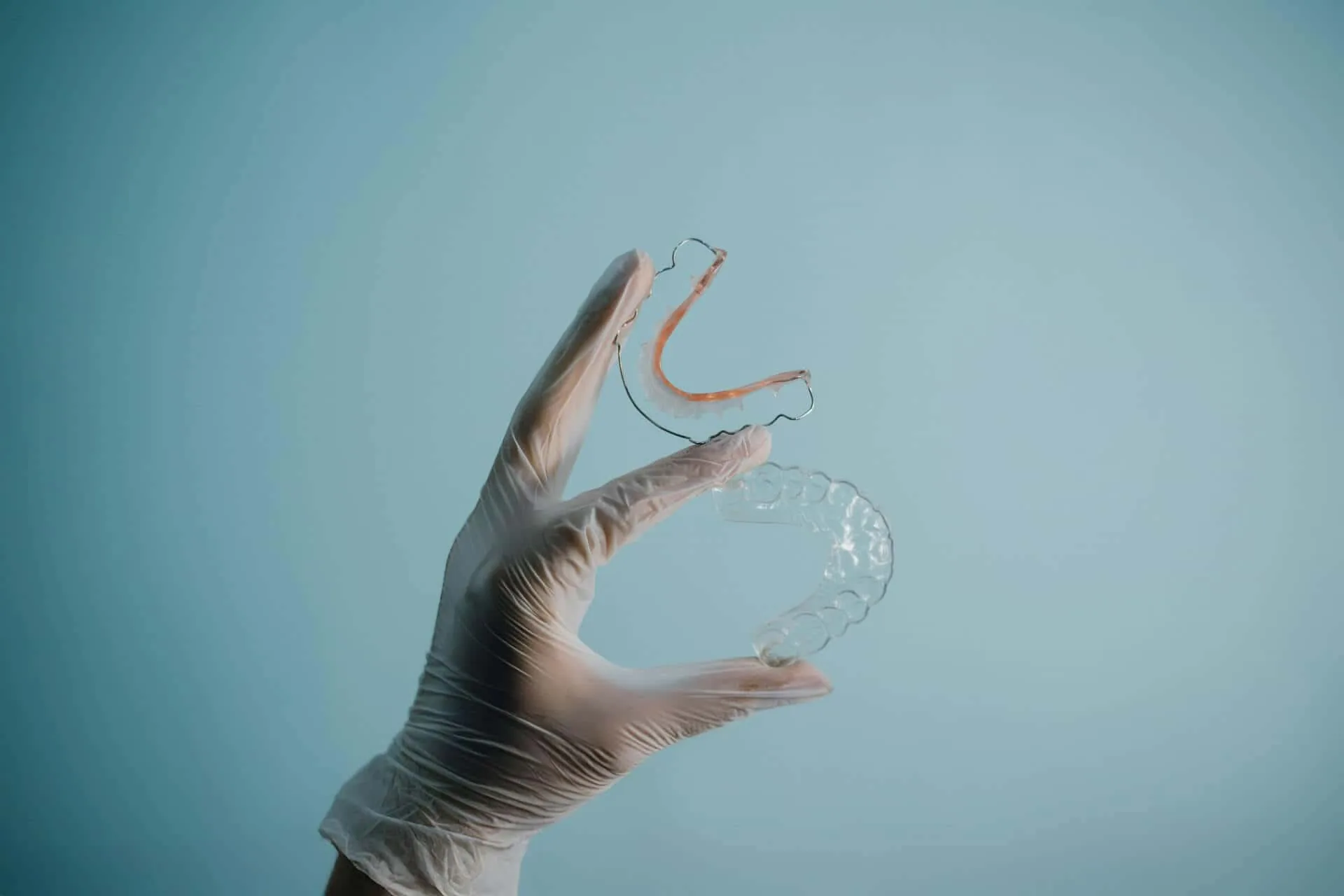
Clear aligners are nearly invisible and can be removed for eating and cleaning. They offer more comfort but require you to wear them consistently.
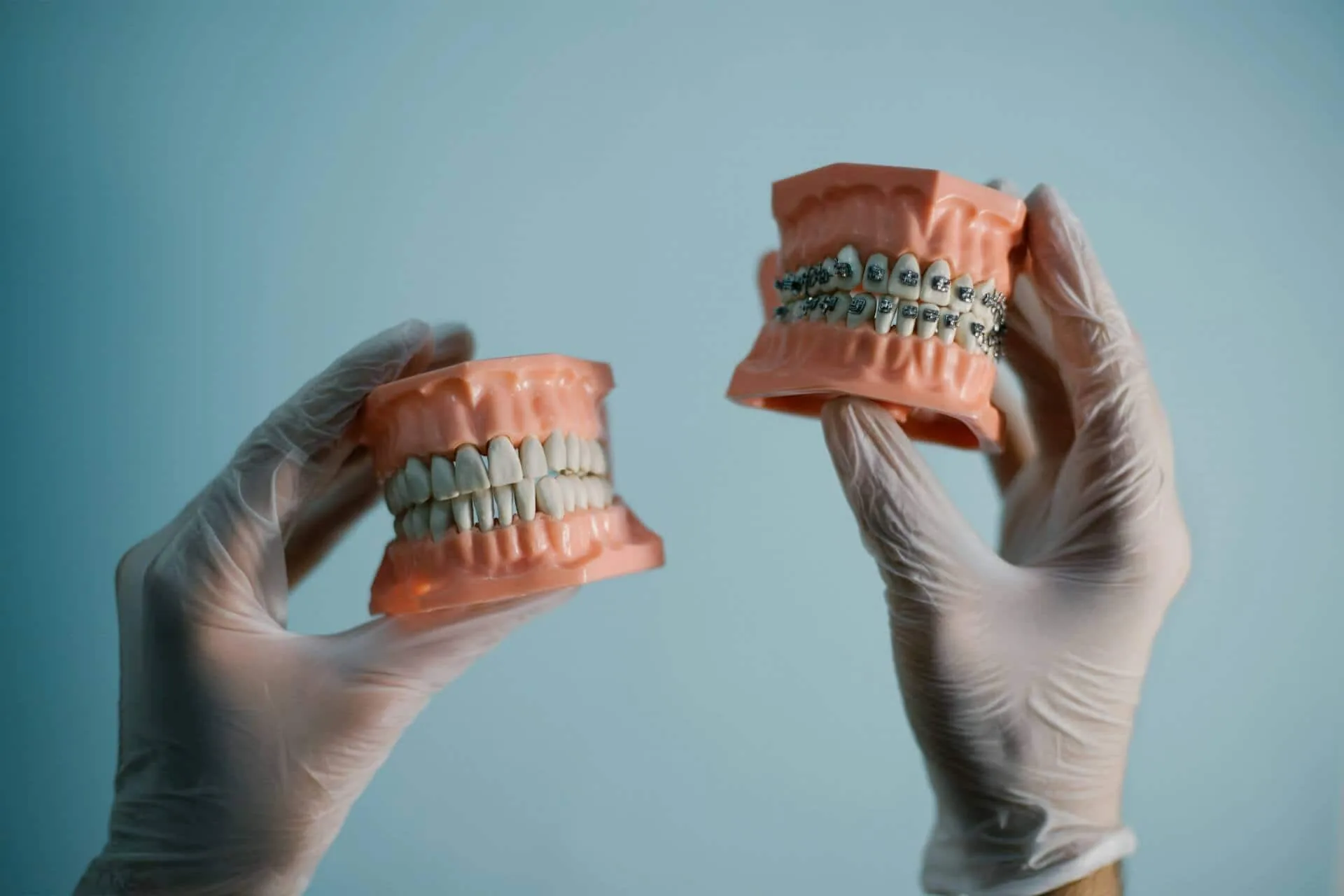
Braces are fixed and often work better for complex tooth movements. They may cause more discomfort and need more care to keep clean.
Can clear aligners effectively treat an overbite?
Yes, clear aligners can help correct mild to moderate overbites. For severe cases, braces might be recommended to get better results.
How do the costs of clear aligners differ from those of traditional braces?
Clear aligners usually cost more upfront because of the custom trays and technology used. Braces tend to have lower initial costs but may require longer visits for adjustments.
Which treatment option is typically quicker: clear aligners or braces?
Treatment time varies by case, but clear aligners often work faster for minor to moderate problems. Braces can take longer when fixing complex issues.
Are there certain dental problems that are better treated with braces rather than clear aligners?
Braces are often better for severe crowding, large gaps, or complex bite issues. If your alignment needs major adjustments, traditional braces might be the best choice.
What factors should be considered when choosing between clear aligners and braces for orthodontic treatment?
Consider your lifestyle, budget, and the severity of your dental issues. Your daily routine and comfort with wearing aligners or braces also matter. A dental professional can help you decide based on your goals and needs.