Noticing early changes in how your teeth align or how your bite feels can be an important signal to seek orthodontic care. Understanding the early indicators that you may benefit from Invisalign® treatment helps address concerns before they progress into more complex issues.
Clear aligners are designed to gently guide teeth into better positions while fitting into everyday routines.
At Dentist of Anaheim, Invisalign treatment focuses on correcting alignment issues while supporting comfort and daily function. Care is planned around individual bite patterns, lifestyle needs, and long-term oral health goals.
This article explains common alignment signs, bite issues, and functional challenges that Invisalign may help improve. You will also learn when a professional evaluation is recommended and what factors influence eligibility. Clear information supports confident, timely decisions about orthodontic care.
Recognizing Common Signs That Indicate Invisalign Could Help
If your teeth feel crowded, too spaced apart, slightly twisted, or your bite doesn’t line up quite right, Invisalign might be a good option. These issues can affect your smile, comfort, and even how you chew. Knowing the specific signs can help you decide when to ask about Invisalign treatment.
Why Crowding and Gaps Affect Oral Health
According to the American Dental Association (ADA), crowded or spaced teeth can make brushing and flossing less effective. These conditions allow plaque to build up more easily, increasing the risk of cavities and gum disease.
The ADA also explains that improving alignment helps reduce hard-to-clean areas. Orthodontic treatment supports healthier long-term oral hygiene by creating better access for daily care.
Crowded Teeth
Crowded teeth happen when your teeth don’t have enough space to fit normally in your mouth. They can overlap, twist, or push against each other, making it hard to brush or floss properly. This can lead to plaque buildup, tooth decay, or gum problems.
Invisalign clear aligners gently move your teeth to create more room and better alignment. This can improve your bite and help your teeth look straighter without the metal wires and brackets of traditional braces.
If you find it difficult to clean between your teeth or notice overlapping teeth, Invisalign might be a good choice for you.
Gapped Teeth
Gapped teeth mean you have spaces bigger than normal between your teeth. These gaps can happen because of missing teeth, small teeth, or a bite that doesn’t close fully. Gaps can sometimes cause food to get stuck, leading to gum irritation or discomfort.
Invisalign can close these spaces subtly and evenly. The aligners apply gentle pressure to shift the teeth closer, improving how your smile looks and works. If you see noticeable gaps and want a smoother, cleaner look, Invisalign can offer a comfortable, clear way to fix it.
Mild Crossbite
A crossbite occurs when some upper teeth sit behind lower teeth when you bite down. Mild crossbites can cause uneven wear on teeth and jaw strain over time. It might also make some parts of your gums more sensitive.
Invisalign can correct mild crossbites by gradually moving teeth into their proper position. This keeps your bite balanced and reduces extra pressure on your teeth or jaw. If your teeth don’t align evenly when you bite, or one side feels off, Invisalign could help improve your bite comfortably.
Rotated Teeth
Rotated teeth are teeth that have turned on their axis, making them look twisted or out of line with the rest of your smile. This can affect how your teeth fit together and sometimes cause issues with cleaning.
Invisalign aligners can gently rotate these teeth back to their natural position. This can make brushing easier and improve your overall smile. If you see teeth that don’t point straight forward, Invisalign may be a clear, removable way to fix the rotation without metal braces.
Bite Alignment Issues Related to Invisalign
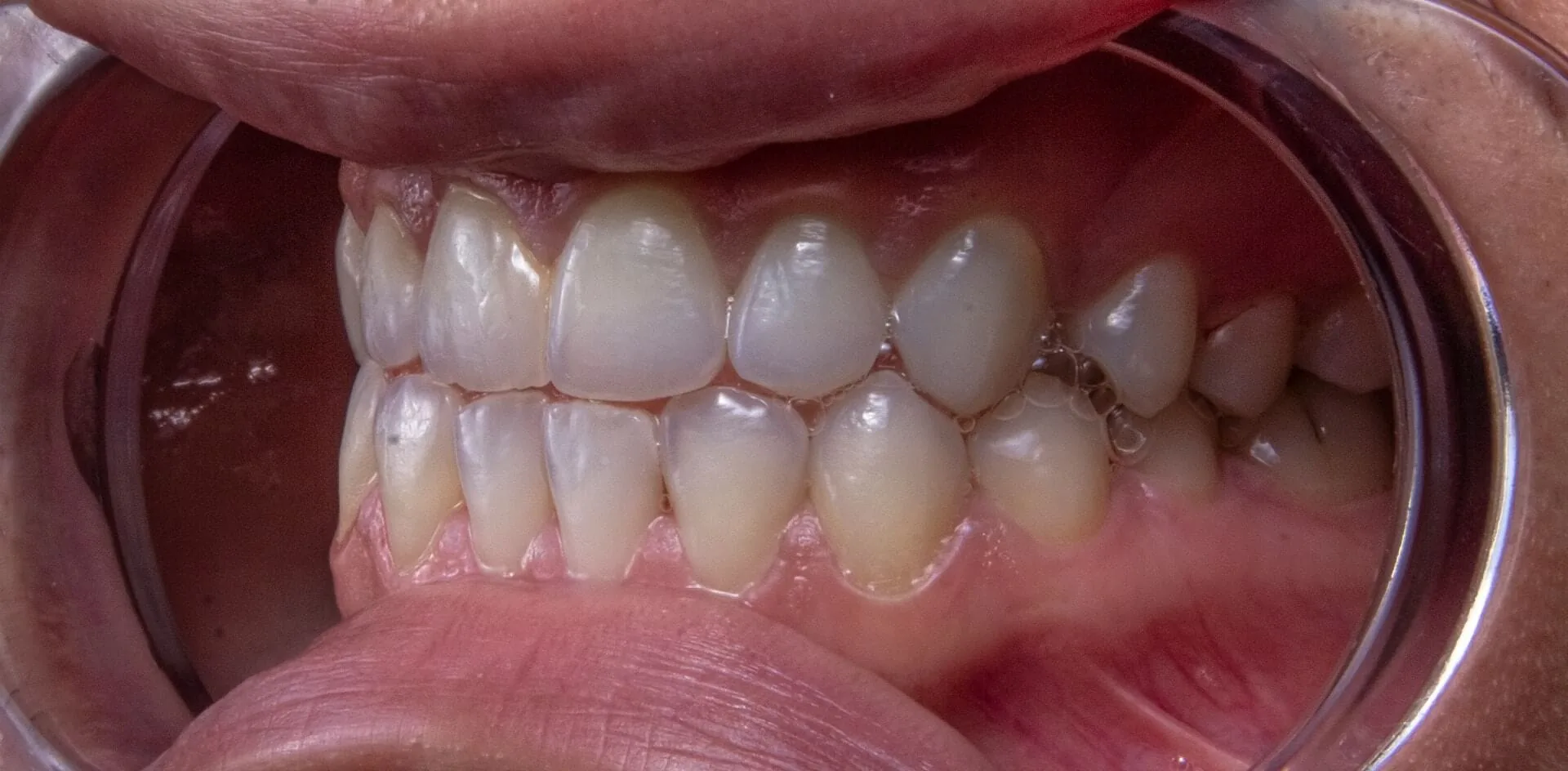
If your teeth don’t fit together quite right when you bite, Invisalign may help by gently shifting them into better alignment. Problems like overbite, underbite, or open bite can affect chewing, speech, and your smile’s appearance. Recognizing these issues early can guide you to the right treatment.
Overbite Concerns
An overbite happens when your upper front teeth stick out too far over your lower teeth. This can cause wear on your lower teeth and may damage your gums or the roof of your mouth. You might also notice your jaw feels strained or you experience headaches.
Invisalign can correct mild to moderate overbites by moving your teeth gradually. The clear aligners apply gentle pressure, guiding your teeth into a safer position that reduces strain. Fixing an overbite also helps improve how you speak and chew food, reducing discomfort.
Underbite Observations
An underbite occurs when your lower teeth extend past your upper front teeth. This can affect your bite strength and cause uneven wear on your teeth. You might find it hard to bite into some foods or notice your jaw feels tired after chewing.
Invisalign treatment can address underbites by realigning both upper and lower teeth for a better fit. While severe underbites sometimes need additional dental work, many cases improve significantly with Invisalign’s customized trays. Aligning your bite can protect your teeth from damage and improve how your mouth feels.
Open Bite Symptoms
An open bite means your front teeth don’t touch when your mouth is closed, leaving a gap. This can cause speech problems, difficulty biting, and extra strain on your back teeth. You might also notice that food slips out when you chew.
Invisalign can close the gap in mild open bite cases by shifting teeth into position. The treatment focuses on aligning your bite to create a balanced contact between upper and lower teeth. This helps improve both your smile and function. If you have a gap when biting, Invisalign could be a good fit for your needs.
Aesthetic Motivations for Invisalign Treatment
When thinking about improving your smile, many people want a solution that fits smoothly into their daily life and helps boost how they feel about their appearance. Invisalign offers options that focus on keeping your treatment low-profile while increasing your confidence in social and professional settings.
Desire for a Discreet Solution
You might not want others to notice you're wearing braces. Invisalign uses clear, removable aligners that blend with your teeth, making them much less visible than traditional metal braces. This can be important if you work in a job with lots of face-to-face interaction or if you're worried about how you look during the treatment.
Since the aligners are removable, you can take them out for photos, special events, or important meetings. This flexibility means you don’t have to feel self-conscious while still improving your smile. The gentle, modern approach also helps reduce discomfort and recovery time compared to older methods.
Improving Smile Confidence
You might feel embarrassed by crooked or crowded teeth, which can affect your confidence. Invisalign can help straighten your teeth gradually and discreetly, allowing you to smile more freely. Feeling good about your smile often improves how you engage with others and how you see yourself.
Even small changes to your teeth’s alignment can make a big difference in your overall look. As the treatment progresses, you’ll notice your teeth becoming straighter, which can lead to a more balanced and attractive smile.
Many patients say this improvement makes them feel more confident at work, school, or in social situations.
Daily Functional Challenges That Invisalign May Address
If you find yourself struggling with everyday tasks like chewing, speaking, or keeping your teeth clean, Invisalign could help. These common issues often point to the need for orthodontic treatment, which can improve comfort and function.
Difficulty Chewing or Biting
You might notice that biting into certain foods feels awkward or causes discomfort. Misaligned teeth can make chewing uneven or cause pressure on some teeth more than others. This can lead to jaw pain, headaches, or even wear down your teeth faster.
Invisalign gently shifts your teeth into better positions without bulky brackets. This can improve how your upper and lower teeth meet, making it easier to bite and chew a variety of foods. Over time, eating may become more comfortable, and your jaw might feel less stressed.
Speech Impediments
Sometimes crooked or crowded teeth can affect how you speak. If you have trouble pronouncing certain sounds or feel your speech isn’t as clear as it should be, your teeth alignment might play a role.
Invisalign trays are smooth and custom-made, reducing irritation that traditional braces might cause. As your teeth move into better alignment, you may notice clearer speech. The trays don’t interfere much with your tongue or lips, making it easier to adjust while you speak.
Trouble Maintaining Oral Hygiene
Crowded or overlapping teeth can trap food particles, making brushing and flossing harder. This increases the risk of cavities and gum problems because plaque builds up more easily in tight spaces.
With Invisalign, your aligners are removable. You can take them out to brush and floss normally, which helps keep your smile cleaner during treatment. Moving your teeth into straighter positions also makes daily cleaning easier long-term, reducing the chance of decay or gum issues.
Understanding Eligibility and Next Steps
Knowing if Invisalign suits your needs depends on several factors, like your age, past dental treatments, and when to get professional advice. These elements help guide you toward the right decision and ensure the best results for your smile.
Age Considerations
Invisalign works well for teens and adults, but age does play a role. For younger kids still growing, traditional braces might be better because Invisalign requires you to wear aligners almost all day.
Teens usually make good candidates since their teeth are mostly developed, and they can follow the treatment steps carefully.
Adults seeking Invisalign often like that the aligners are clear and removable. If you have concerns about your bite or severe alignment issues, your dentist will check if Invisalign can fix them.
Previous Orthodontic Treatment
If you had braces before, Invisalign might still help. Sometimes teeth shift back after braces, and Invisalign can gently realign them again. Your dentist will look at your dental history and current tooth positions to decide if treatment with Invisalign is the right next step.
Even if past treatments didn’t work perfectly, Invisalign’s custom approach can target specific problems. It’s important to share your full orthodontic history with your dentist. This helps them create a plan that fits your smile and lifestyle, keeping your long-term dental health in mind.
When to Consult a Professional
You should talk to a dentist or orthodontist when you notice crooked teeth, gaps, or bite issues that bother you. Early consultations help catch problems before they get worse. Even mild discomfort or concerns about your smile’s look are reasons to check in.
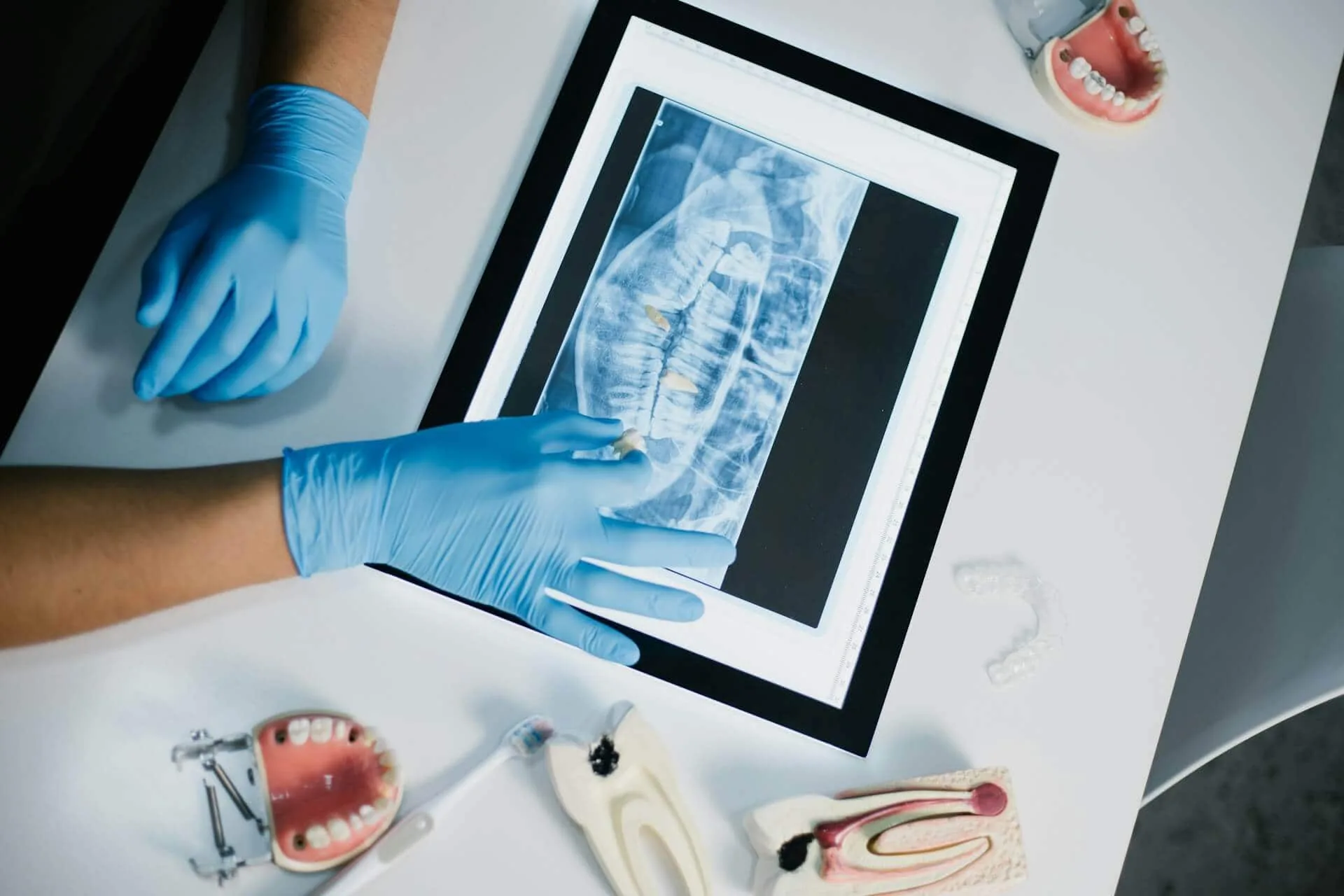
During your visit, the dentist will examine your teeth and may take digital scans or X-rays. They will explain your options clearly and tailor the plan to your goals. Scheduling a visit as soon as questions arise gives you the best chance to benefit fully from Invisalign.
Recognizing When Invisalign May Be Helpful
Early alignment changes, bite concerns, and daily discomfort can signal the need for orthodontic care. Recognizing these indicators helps prevent further complications and supports better long-term outcomes. Invisalign offers a discreet option for addressing many common concerns.
At Dentist of Anaheim, Invisalign treatment is designed to improve alignment while maintaining comfort and daily convenience. Care planning focuses on predictable progress and long-term oral health.
If you notice changes in your bite, crowding, or gaps that affect comfort or confidence, schedule a dental evaluation. Early guidance helps determine whether Invisalign is an appropriate next step.
Frequently Asked Questions
Knowing if Invisalign is the right option depends on your specific smile and concerns. These questions cover signs that Invisalign might help with teeth alignment and what to watch for early on. It also explains how to decide if Invisalign fits your dental needs.
What signs suggest I might be a good candidate for Invisalign braces?
You may be a good candidate if you notice mild to moderate teeth crowding, gaps, or slight bite issues. If your teeth affect your smile or cause discomfort, Invisalign could help.
Can you share any early indications that Invisalign is the right choice for teeth alignment?
Early signs include visible crookedness, small spaces between teeth, or uneven bites. If you find traditional braces too bulky or want a less noticeable option, Invisalign might suit you better.
How can I determine if Invisalign treatments are suitable for my dental issues?
A dental exam at a trusted office can reveal if your alignment problems are mild or moderate. Severe cases might need other treatments, but many patients qualify for Invisalign’s clear aligner approach.
Are there specific dental concerns that align well with Invisalign corrections?
Invisalign works well for common issues such as crowding, gaps, overbites, underbites, and crossbites. It’s also suitable if you want to improve your smile without metal braces.
What are the initial factors to consider when thinking about Invisalign as an orthodontic solution?
Think about your lifestyle, comfort with removable trays, willingness to wear aligners 20-22 hours a day, and your smile goals. Your dentist can help you plan treatment around these factors.
Could you tell me the early signs that Invisalign could be an effective treatment for my smile?
If you notice uneven teeth, minor bite problems, or gaps, and want a discreet fix, these are good early signs. Invisalign gradually moves your teeth and fits your busy life.