Dental implants can be a strong option for replacing missing teeth when the mouth and jaw are healthy enough to support them. Understanding who qualifies helps patients feel more confident about making the right decision for long-term oral health.
At Dentist of Anaheim, we guide patients through each step of the evaluation. This way, they understand how factors like gum health, bone strength, and overall wellness affect implant success. Our goal is to make the process clear, supportive, and comfortable.
This article explains the core qualifications for implant candidacy, lifestyle and medical factors that matter, and situations where implants offer meaningful benefits. With these insights, you can better understand whether this treatment may be a good fit for your needs.
General Qualifications for Dental Implant Candidacy
If you’re considering dental implants, your dentist will check some key factors. They want to make sure your mouth and jaw are healthy enough to support the implant. Good bone, strong gums, and healthy teeth all play a role.
Why Overall Health Matters for Implant Success
According to the Mayo Clinic, good general health supports predictable healing after implant surgery because the body repairs bone and gum tissue more effectively when systemic conditions are well managed.
Chronic inflammation, uncontrolled diabetes, and immune-related concerns can slow healing and raise complication risks.
Healthy lifestyle choices, such as balanced nutrition and avoiding tobacco, also support stronger bone integration. These factors help your mouth respond well during recovery and improve the long-term stability of the implant.
Overall Oral Health Standards
Your mouth needs to be free of active infections, like untreated cavities or gum disease, before getting implants. If you have tooth decay or gum problems, treat these first. Implants won’t hold up well if your mouth isn’t clean and healthy.
Brush and floss regularly to keep your teeth and gums in good shape. Habits like smoking can affect healing and implant success, so your dentist may advise quitting before the procedure.
Good overall health also matters. Conditions like uncontrolled diabetes or immune system issues could affect healing after surgery. Your dentist will review your health history for problems that might slow recovery.
Adequate Jawbone Density
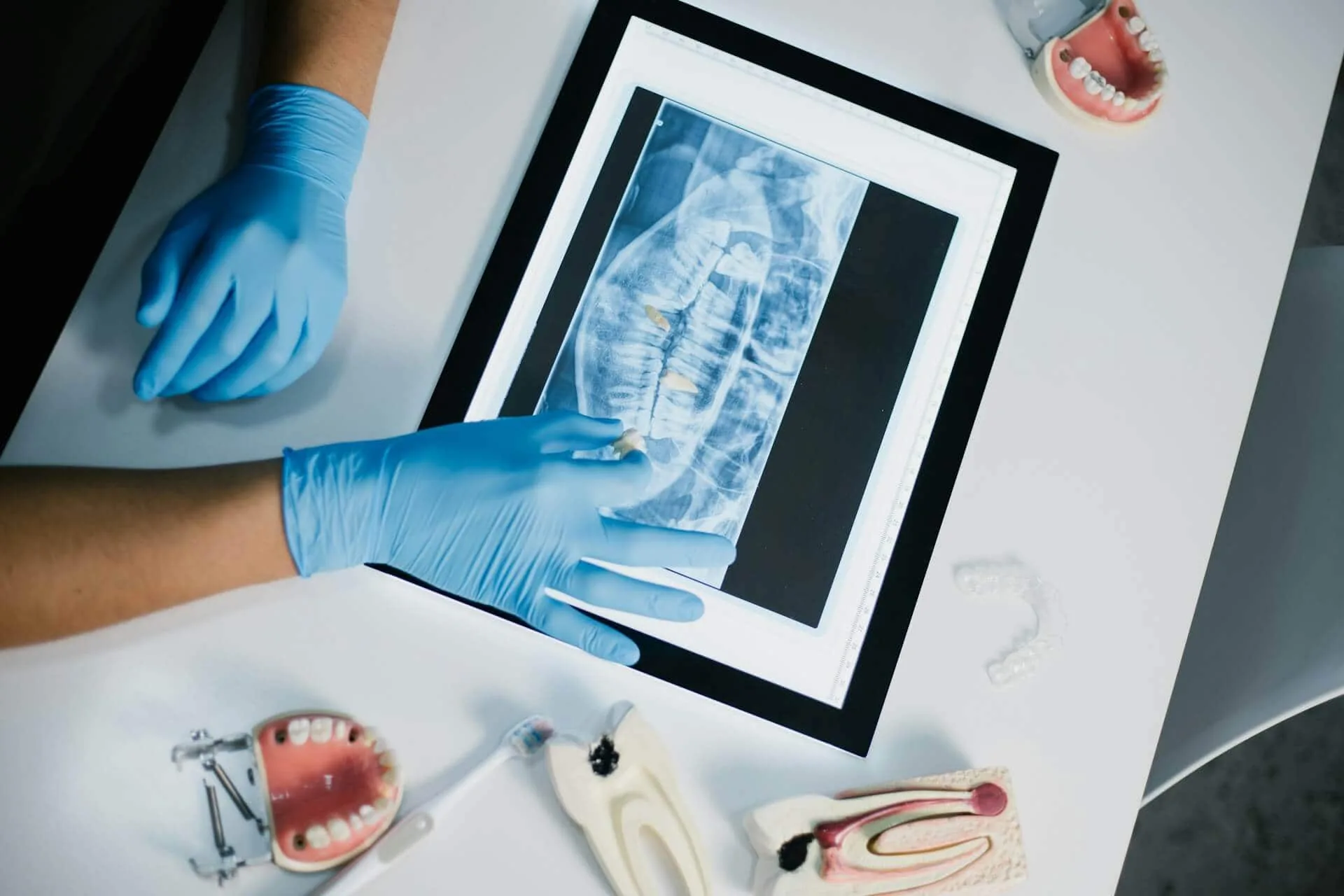
Strong jawbone is essential to hold a dental implant firmly. Your dentist will check your jawbone density with X-rays or scans. If the bone is too thin or soft, implants may not be stable.
Sometimes, bone grafting can build up your jawbone to support implants. This involves adding bone material to weak spots. You might need extra healing time before implants can be placed after a graft.
Good bone quality helps the implant fuse with your jaw naturally. Without enough bone, the implant may fail to attach properly or become loose later.
Healthy Gum Tissue
Healthy gums are key to long-lasting implants. Gums protect the bone and help keep the implant clean. If your gums have disease or inflammation, implants could be at risk.
Your dentist will look for signs of gum disease, like redness, swelling, or bleeding. Treating gum issues before placing implants lowers the chance of infection or implant failure.
Good gum health also means your gums fit snugly around the implant, preventing bacteria from getting inside. This seal helps implants stay strong for years. If you keep your gums healthy with good daily care and regular check-ups, your implants will have a better chance of succeeding.
Age and Lifestyle Considerations
Your age and lifestyle can affect whether dental implants are a good choice. Some factors, like growing bones or habits, play a key role.
Adults Versus Teens
Dental implants work best when your jawbone has fully grown. For most people, this means you should be at least 18 years old. Teens often still have developing bones, which can affect how well implants stay in place.
Adults usually have stronger, fully developed bone structure, making implant surgery more predictable. If you're an adult with healthy gums and enough bone, implants can be a strong option.
If you’re a teen needing tooth replacement, your dentist might suggest other options until your jaw finishes growing.
Non-Smokers and Healthy Habits
Smoking can slow down healing and raise the chance of implant failure. If you don’t smoke, your body can better fight infection and support the implant.
Healthy habits, like good oral hygiene and regular dental visits, help keep implants strong and your mouth healthy over time. Eating nutritious food and avoiding bad habits also support healing.
Medical Conditions Affecting Eligibility
Your overall health can affect whether dental implants are a good fit for you. Some medical conditions can slow healing or increase risks during implant treatment. Knowing these helps you and your dentist plan the best care.
Controlled Chronic Diseases
If you have chronic diseases like diabetes or high blood pressure, these need to be under control before getting implants. When blood sugar or blood pressure is managed well, your body heals better after surgery. Poorly controlled diabetes can lead to infections or implant failure.
Your dentist may ask for health records or blood tests to check control levels. If you follow your doctor’s advice and keep your condition stable, many people with chronic diseases get implants successfully.
Immunity and Healing Factors
Your immune system plays a key role in healing after implant surgery. If you have conditions that weaken immunity—like autoimmune disorders or are taking medications like steroids—you might heal more slowly or have a higher risk of infection.
Smoking also affects healing by reducing blood flow to your gums and jawbone, which can lower implant success. Your dentist may recommend quitting smoking before treatment. Healing is also slower if you have poor nutrition or certain bone diseases, so your dentist will review these during your consultation.
Understanding these factors helps create a treatment plan that fits your needs and keeps you healthy throughout the process.
Situations Favoring Dental Implant Treatment
Dental implants work well in cases where you need a permanent, sturdy solution for missing teeth. They can replace one tooth or several and offer a much better fit and feel compared to traditional options like dentures.
Single or Multiple Missing Teeth
If you have lost one tooth or several teeth in a row, implants can fill those gaps without affecting nearby teeth. Unlike bridges, dental implants don’t rely on surrounding teeth for support. This means your healthy teeth stay untouched.
Implants are placed into the jawbone, which helps keep the bone strong and reduces shrinking. They look and function like natural teeth. You can chew, speak, and smile with more confidence because you feel stable and secure.
This makes implants a great option if you want a long-lasting, natural-looking replacement for your missing teeth.
Inability to Wear Dentures Comfortably
If your dentures slip, cause sore spots, or make it hard to eat certain foods, implants offer better comfort. Dentures can move around, especially on the lower jaw, making talking or eating harder.
Implants hold replacement teeth firmly in place. You won’t have to worry about your teeth slipping or clicking during meals or conversations. This can improve your comfort and reduce irritation to your gums.
For many, switching to implants means better function and fewer hassles compared to traditional dentures.
Factors That May Require Special Evaluation
Certain dental and health issues need a closer look before you can get dental implants. These factors help your dentist understand how to plan your treatment safely and successfully.
History of Gum Disease
If you’ve had gum disease before, it can affect how well your dental implant will heal and stay healthy. Gum disease causes inflammation and can destroy the tissue around your teeth, including bone. This makes it harder for implants to stay secure.
Your dentist will check for signs of current gum problems and may suggest treatment before placing implants. Good oral hygiene and regular cleanings are key to controlling gum disease.
Previous Jawbone Loss
Jawbone loss can happen from missing teeth, injury, or illness. The bone needs to be thick and strong enough to hold an implant. If you have bone loss, your dentist might need to do a bone graft or other procedures to build up the jaw.
You may have an X-ray or 3D scan to see how much bone is available. This helps the dentist decide the best implant size and placement. Proper evaluation makes sure your implant fits well and lasts longer.
Making an Informed Choice About Dental Implants
Determining whether dental implants are right for you starts with understanding how health, bone strength, and daily habits influence treatment success. With the right conditions in place, implants can offer strong, natural-feeling tooth replacement that supports long-term oral health.
At Dentist of Anaheim, we take time to explain each factor clearly so you know exactly what to expect. Our patient-centered approach helps ensure every treatment plan supports comfort, confidence, and long-lasting results.
If you’re exploring implant options, a consultation can help you learn how your unique dental and medical history shapes candidacy. Reach out today: taking this step can bring you closer to a healthier, more complete smile.
Frequently Asked Questions
If you’re thinking about dental implants, it helps to understand what makes someone a good candidate. Your overall health, dental condition, and lifestyle all affect whether implants will work well for you.
What characteristics define the ideal dental implant candidate?
You should be in good general health. Having healthy gums and enough jawbone is important so the implant can stay strong. Non-smokers usually have better results. Being committed to good oral hygiene helps implants last longer.
Are there specific health conditions that disqualify you from getting dental implants?
Certain illnesses, like uncontrolled diabetes or cancer, can make healing harder and increase risks. Autoimmune diseases and blood-thinning medications might also cause problems. Your dentist will review your health history carefully.
How does one's dental health impact the suitability for dental implants?
Healthy gums are necessary because gum disease can cause implant failure. If you have tooth decay or infections, treat these before getting implants. Good oral hygiene habits are key for keeping the implants healthy.
Can age be a factor in determining dental implant candidacy?
Age itself is not usually a disqualifier. Many older adults have successful implants if their bone and health are strong. Your dentist will assess your individual situation rather than just your age.
What lifestyle factors can influence eligibility for dental implant procedures?
Smoking and heavy alcohol use can reduce healing and increase the chance of implant failure. Poor diet and lack of oral care also affect results. If you change harmful habits, your chance for success improves.
Is there a minimum bone density requirement for successful dental implant treatment?
You need enough healthy bone to hold the implant in place. If your bone is weak or too thin, your dentist may recommend a bone graft before placing implants. During the consultation, your dentist will check your jawbone with X-rays or scans.