A weakened tooth can cause discomfort, sensitivity, or difficulty chewing, making everyday tasks less comfortable. When a tooth loses strength from decay, cracks, or wear, a custom dental crown can restore support and function while preventing further damage.
At Dentist of Anaheim, we help patients understand when a crown is the right solution and how this treatment protects vulnerable teeth. Our focus is on comfort, clarity, and long-term oral health.
This article explains what causes tooth weakness, how custom crowns work, and the signs that suggest you may need one. You’ll also learn what to expect during treatment and how crowns improve both stability and appearance.
What Is a Weakened Tooth?
A weakened tooth has lost some of its strength and is more likely to break or cause pain. This can happen for different reasons, and you might notice signs like sensitivity or discomfort. If you leave a weak tooth untreated, it can lead to more damage and bigger problems.
Common Causes of Tooth Weakness
Cavities that grow deep into the tooth damage its structure. A cracked or fractured tooth from an injury or chewing hard food also weakens it. Root canal treatments can make a tooth more fragile because the inside tissue is removed.
You might also have worn-down enamel from grinding your teeth or acid erosion from certain foods or stomach issues. Sometimes, old fillings break down and no longer support the tooth well. If you notice these factors, check with your dentist about protecting your tooth.
Symptoms and Warning Signs
You may feel sharp pain when biting or chewing, especially on one side. Sensitivity to hot, cold, or sweet foods can show that the tooth is weakened. Sometimes the tooth looks chipped, cracked, or discolored.
A weak tooth might also feel loose or cause discomfort without a clear cause. If you notice any of these symptoms, contact your dentist. Early detection can help prevent more serious damage and preserve your smile.
Risks of Leaving a Tooth Unprotected
If you leave a weak tooth uncovered, it is more likely to crack or break completely. This can lead to pain, difficulty eating, and infection. Infections might require more complex treatments like root canals or even tooth removal.
Without protection, chewing pressure can keep harming the tooth. You could also face changes to your bite or jaw pain later on. Covering a weak tooth with a crown lowers these risks and keeps your mouth healthy and comfortable.
Understanding Custom Dental Crowns
Custom dental crowns come in different types and materials that fit your tooth precisely. They protect and restore your tooth’s strength and shape. Knowing how crowns work and what they are made of can help you make smart choices about your dental care.
Types of Dental Crowns
There are several types of crowns, each with its own uses. You might get a porcelain crown, which looks natural and matches your tooth color well. These are popular for front teeth because they blend in nicely.
Another type is metal crowns, made from gold or other metals. They are very strong and often used for back teeth where chewing pressure is higher.
Porcelain-fused-to-metal crowns combine strength and a natural look. They have a metal base for durability and a porcelain outer layer for appearance. Your dentist will help decide which type fits your needs based on the tooth location and your personal goals.
How a Crown Protects a Tooth
A dental crown covers your weakened tooth completely. This protects the tooth from breaking further and keeps harmful bacteria out. When a tooth is cracked, decayed, or has a large filling, a crown acts like a shield.
Crowns restore how your tooth looks and works. You can chew and bite without pain or discomfort. By covering the damaged area, a crown stops added wear and reduces the chance of needing more treatment later.
How Crowns Prevent Further Structural Breakdown
The Cleveland Clinic explains that crowns act as full-coverage restorations that distribute chewing pressure evenly across the tooth, which reduces the likelihood of fractures. By covering weakened enamel, a crown shields the tooth from additional stress or bacterial entry.
Research summarized by the Cleveland Clinic also indicates that crowns help preserve teeth that might otherwise require extraction if left unprotected. This makes them a key option for long-term tooth preservation.
Materials Used for Custom Crowns
Custom crowns are made from different materials, each with benefits. Porcelain is popular because it looks like natural tooth enamel and resists staining.
Metal crowns are very tough and last long, but they don’t match your tooth color. You might not want metal on teeth you can see.
Some crowns use zirconia, a strong ceramic material that is also tooth-colored. It offers both strength and appearance. Your dentist can explain which material suits your tooth’s condition and your lifestyle best.
When Does a Weakened Tooth Need a Custom Dental Crown?
A weakened tooth can cause pain, discomfort, and difficulty chewing. Knowing when a crown is needed can protect the tooth and restore its function. Factors like the type of damage, your dentist’s judgment, and how quickly treatment is needed all play a role.
Tooth Damage That Warrants a Crown
You may need a dental crown if your tooth is cracked, has a large filling, is severely worn down, or is weakened after a root canal. A crown can also help if the tooth is misshapen or discolored, and other treatments are not suitable.
Benefits of Choosing a Custom Dental Crown
Choosing a custom dental crown gives you a strong, natural-looking solution that protects your tooth while helping you eat and smile with confidence. These crowns fit your tooth perfectly and last a long time with proper care.
Long-Term Durability and Strength
Custom dental crowns use tough materials like porcelain or ceramic. These materials handle the pressure from biting and chewing every day. They protect your weakened tooth from breaking or wearing down further.
A crown built just for your tooth fits tightly, which reduces the risk of decay under the crown. It also keeps the tooth stable and supports the surrounding teeth.
Aesthetic Advantages
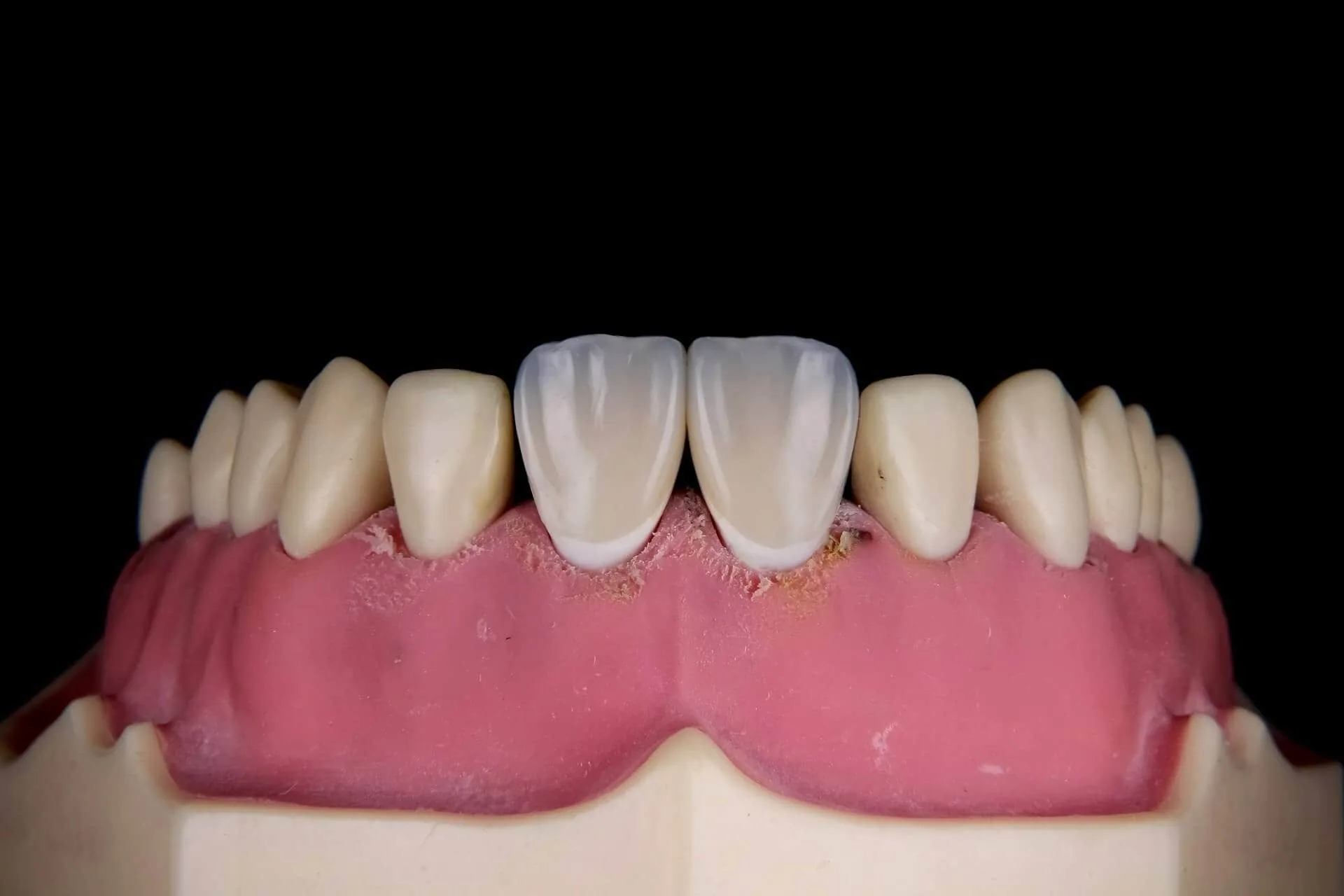
Custom crowns are matched to the color, size, and shape of your natural teeth. This means your crown blends in smoothly, making your smile look natural and healthy. You won’t have to worry about a crown standing out or looking fake.
Since the crown fits perfectly, it also keeps your gum line healthy, avoiding gaps or swelling. The materials used can resist stains, so your smile stays bright over time.
Improved Oral Function
A custom crown restores the full function of your tooth. You will be able to eat and speak normally without discomfort. Crowns help keep your bite balanced, which protects your jaw and other teeth from wear.
Because the crown fits securely, it prevents food and bacteria from getting trapped. This lowers your chance of infection and promotes better oral health.
The Custom Dental Crown Placement Process
Getting a custom dental crown involves clear steps to make sure your tooth is protected and comfortable. You will go through an exam, preparation, fitting, and receive tips to care for your new crown. Each step is designed to help restore your tooth’s strength and function.
Initial Evaluation and Preparation
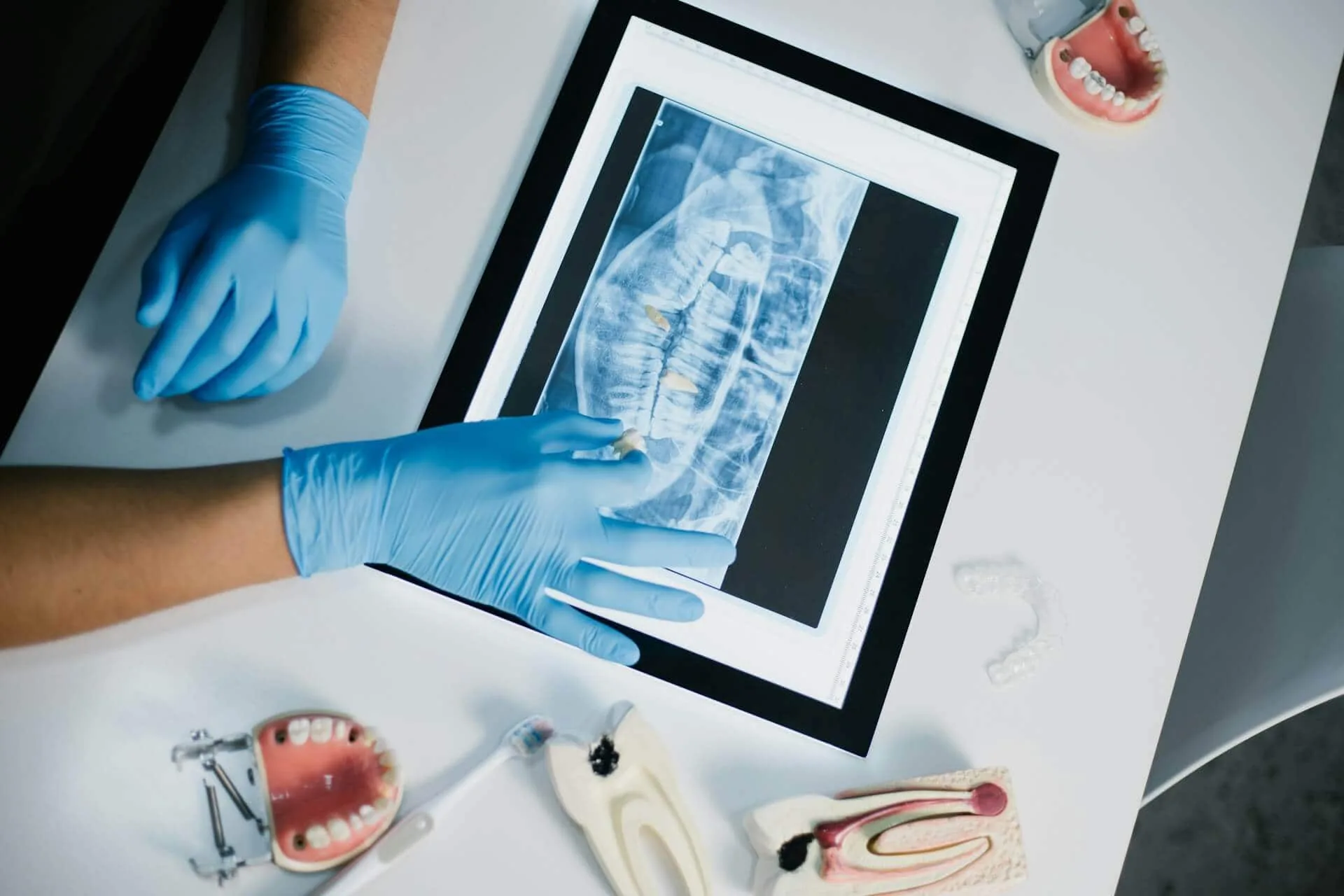
Your dentist will examine your tooth closely, checking for decay, cracks, or damage. X-rays may be taken to see the tooth’s roots and surrounding bone.
Next, your dentist shapes the tooth to hold the crown, gently removing a small amount of the outer tooth to create space. If there is damage or decay, they clean and fill it first. Sometimes, you receive a temporary crown to protect the tooth while your custom crown is being made.
This preparation ensures your crown fits securely and feels natural once placed.
Crown Fitting and Adjustment
When your custom crown is ready, you return to the office for fitting. Your dentist places the crown over your prepared tooth and checks its fit, bite, and appearance. They make adjustments as needed to ensure comfort and a natural look.
Once everything feels good, the dentist permanently cements the crown. The cement holds the crown tightly in place. You might feel some pressure during this step, but it should not hurt.
Your dentist explains how to care for your crown and answers any questions. The goal is to make your crown feel like your natural tooth and last for many years.
Aftercare and Recovery Tips
After your crown is placed, you may feel mild sensitivity or soreness for a few days. Avoid very hot or cold foods at first if your tooth feels sensitive.
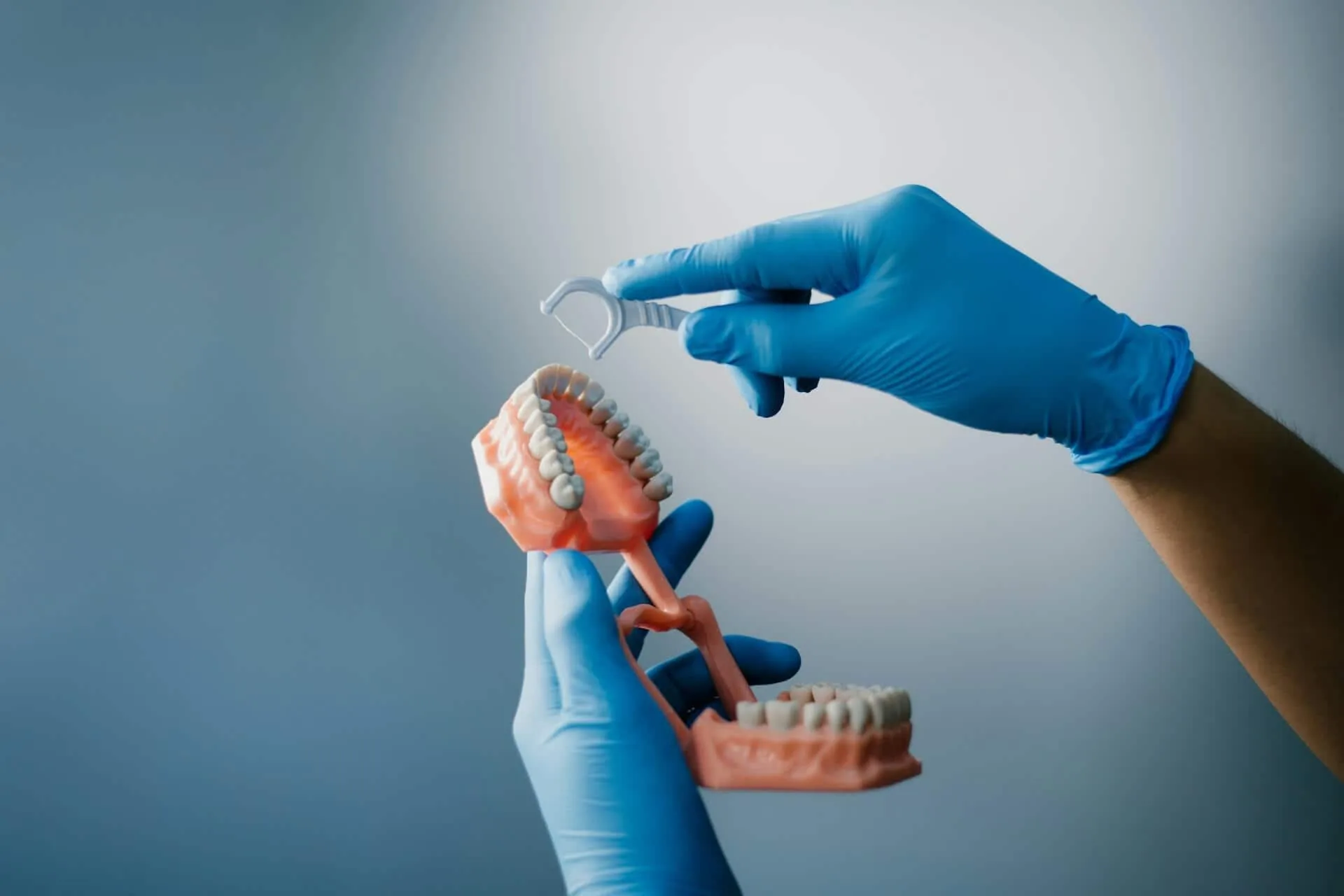
Brush twice daily and floss gently around your crown to keep it clean. This helps prevent decay at the edges where the crown meets your tooth. Avoid chewing hard, sticky, or crunchy foods that could damage the crown.
If you notice sharp pain, your bite feels off, or the crown feels loose, call your dental office. They can check and fix any concerns to keep your smile healthy and comfortable.
Protecting a Weakened Tooth With Confidence
A custom dental crown can restore strength, comfort, and reliability to a weakened tooth, helping prevent future problems and improving daily function. When enamel is compromised, crowns offer durable protection and a natural look.
At Dentist of Anaheim, we prioritize patient education so you feel confident in choosing the right treatment. Our customized approach ensures your crown fits well, looks natural, and supports long-lasting oral health.
If you’re experiencing tooth pain, sensitivity, or signs of damage, schedule an evaluation: it can help determine whether a crown is the right solution. Taking action early helps preserve your smile and maintain strong oral function.
Frequently Asked Questions
You might wonder how to know if your tooth needs a crown or what the process looks like. It helps to learn about how much tooth is needed, the risks involved, and other options if your tooth is very weak.
How can you tell if you need a dental crown?
If your tooth is cracked, worn down, or has a large filling, a crown might be needed. You might feel pain, sensitivity, or notice your tooth breaking. Your dentist can check for damage and recommend a crown if it will protect your tooth.
What are the steps involved in getting a dental crown?
First, your dentist cleans and shapes your tooth to fit the crown. Then, they take a mold or digital scan to make your custom crown. You usually get a temporary crown until the permanent one is ready. Finally, the new crown is bonded securely to your tooth.
How much of the natural tooth structure is required to support a crown?
You need enough healthy tooth left for the crown to stick well and stay stable. If too much tooth is missing, the crown might not hold properly. Your dentist will check if your tooth can safely support a crown before starting.
What are the potential downsides of getting a dental crown?
Crowns can sometimes cause tooth sensitivity, especially just after placement. If not fitted well, they might feel uncomfortable or cause bite issues. In rare cases, the tooth underneath could get infected and need further treatment.
How do dental crowns differ from tooth caps?
Dental crowns and tooth caps mean the same thing. Both cover and protect a damaged tooth. People often use the words interchangeably, but they refer to the same dental restoration.
Are there alternatives if a tooth is too weak for a standard crown?
If your tooth is very weak, your dentist might suggest a build-up procedure or a different type of crown that offers more support. In some cases, a dental implant could be the best choice if the tooth can't be saved safely with a crown.