Metal braces vs clear braces is a common comparison for patients trying to decide which orthodontic option fits their lifestyle and goals. Both options straighten teeth effectively, but they differ in appearance, durability, and day-to-day experience.
At Dentist of Anaheim, we often help patients weigh these choices based on what matters most to them. Some prefer a more discreet look, while others want the strength and reliability of traditional braces. There’s no one-size-fits-all answer—just the option that works best for you.
In this guide, you’ll learn how metal and clear braces work, how they compare in comfort and appearance, and which option may suit different types of cases. We’ll also walk through cost, maintenance, and what to expect during treatment.
How Brackets and Wires Create Steady Tooth Movement
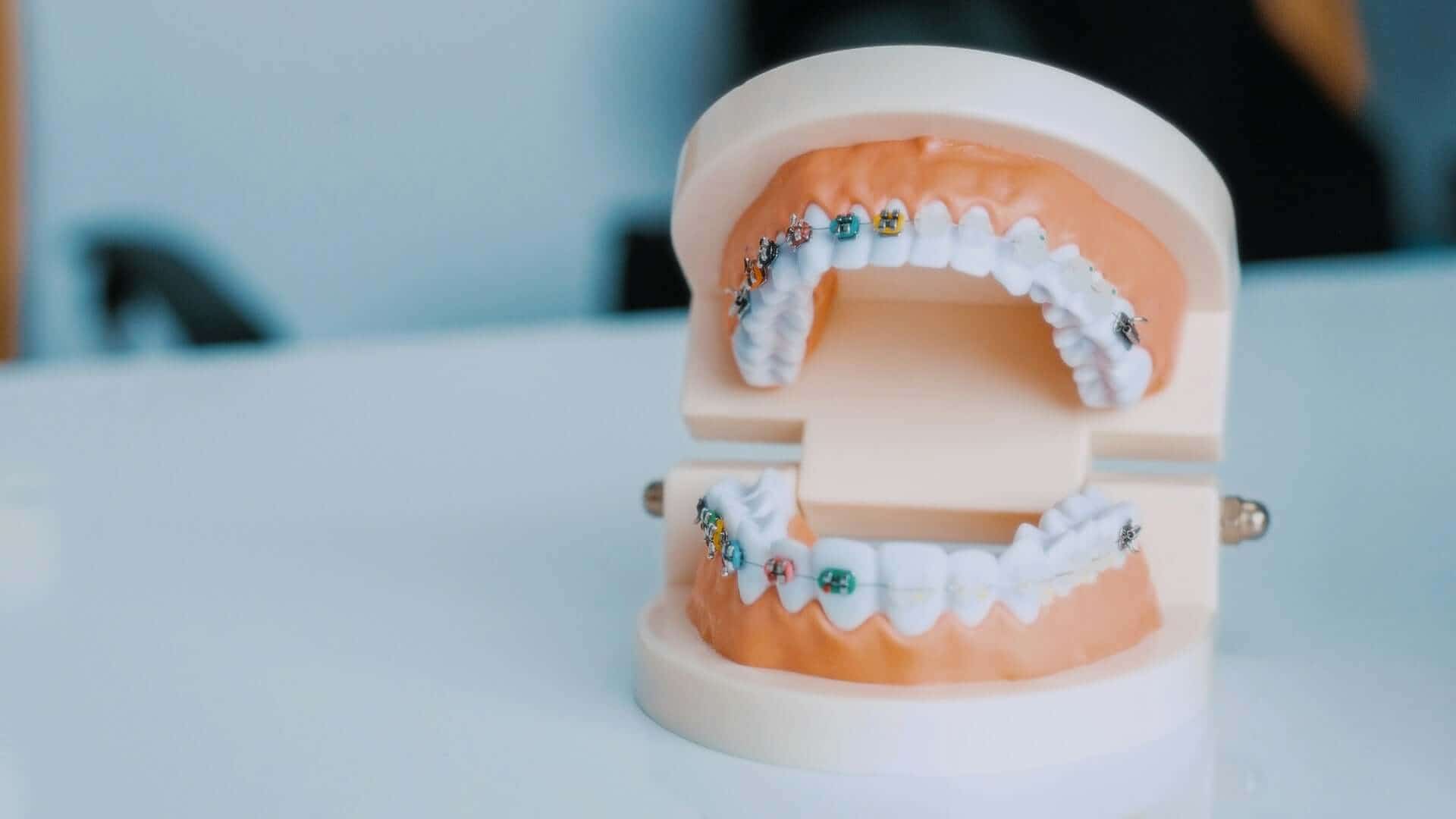
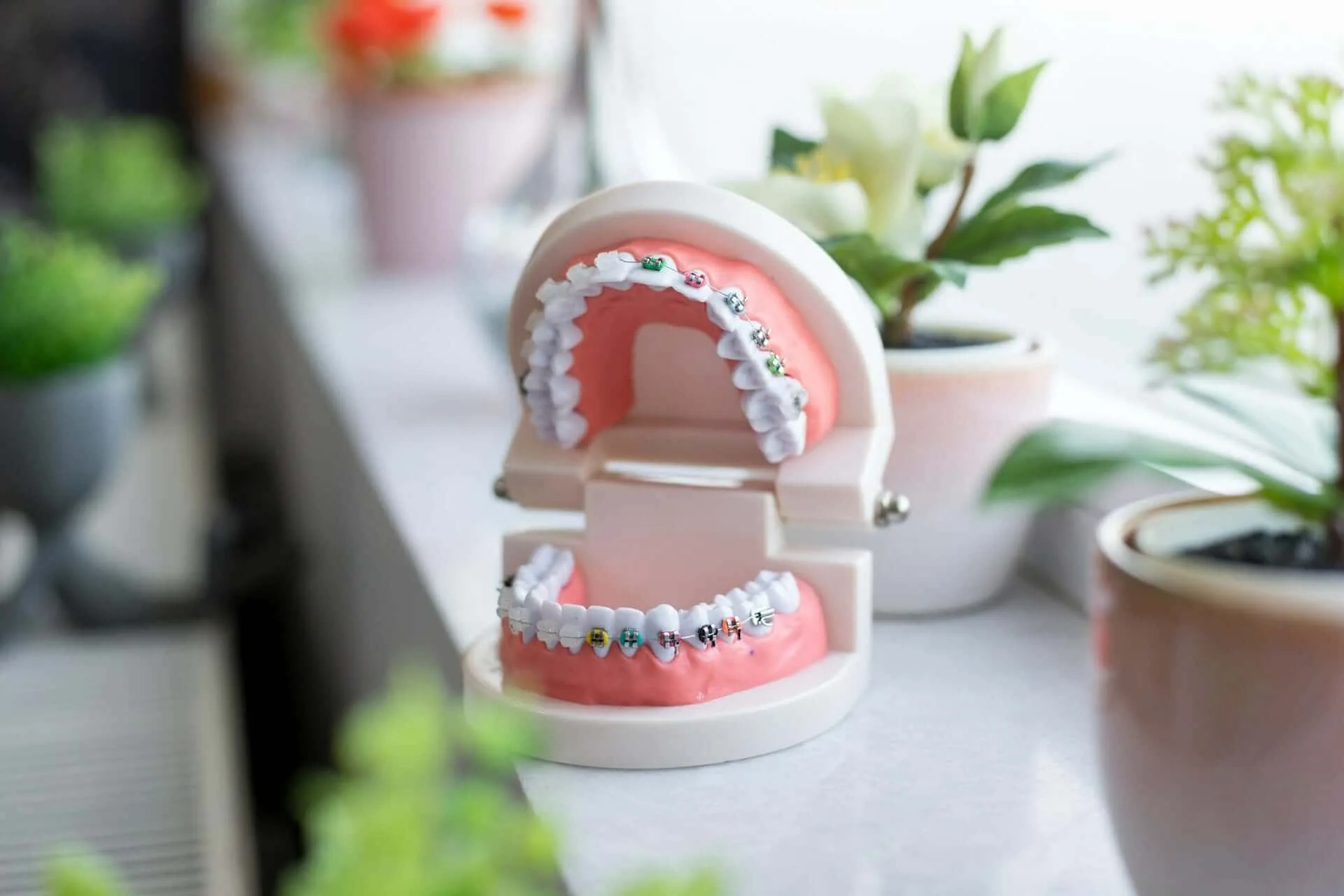
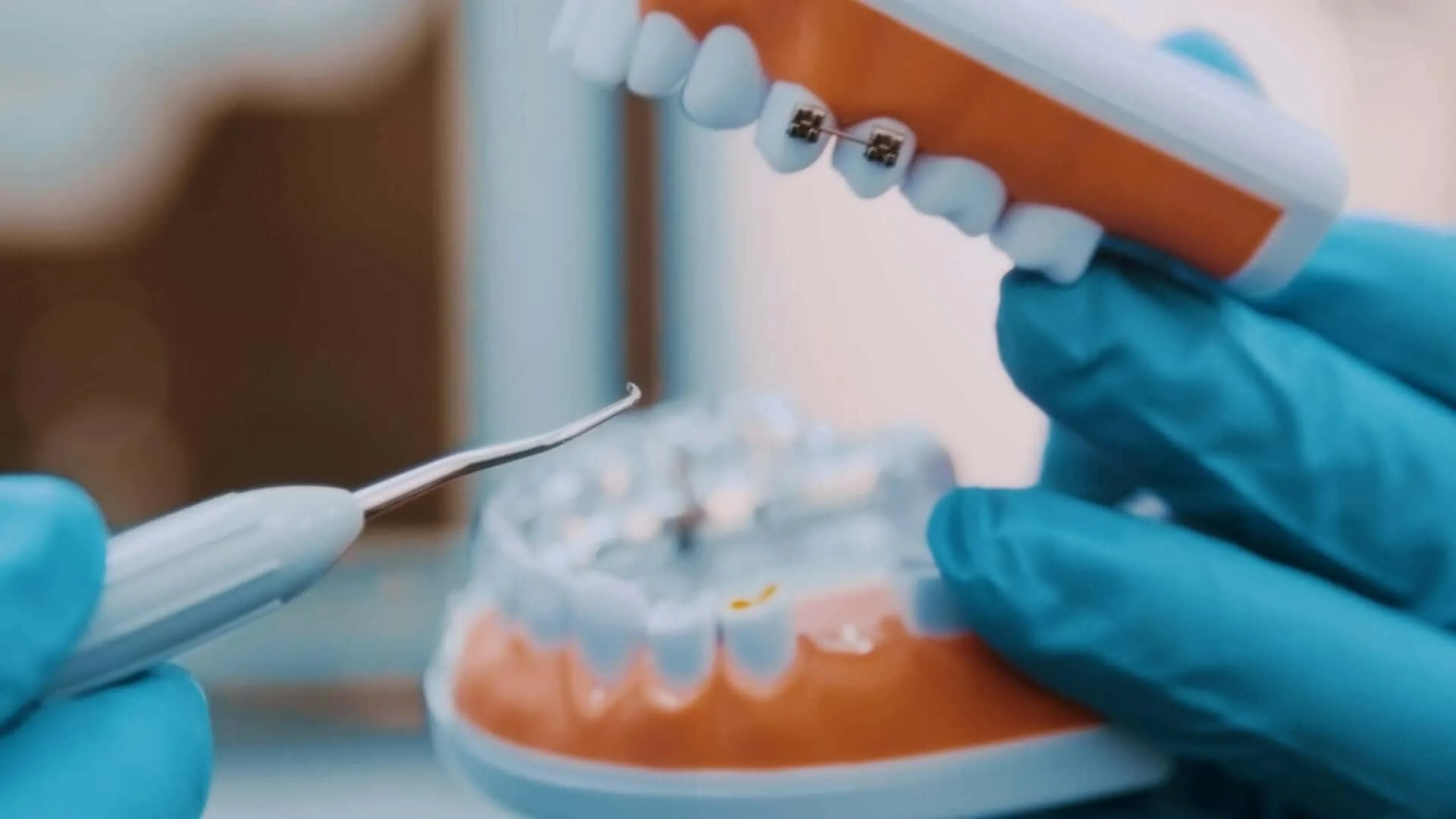
Metal braces rely on stainless steel brackets glued to each tooth. An archwire threads through those brackets and applies gentle, steady pressure. Over time, this pressure shifts your teeth into a new position.
Your orthodontist adjusts the archwire every four to six weeks. Each visit nudges your teeth a bit further along the planned path. This steady pressure makes metal braces a reliable way to straighten teeth and fix bite issues.
Why Consistent Pressure Matters for Safe Tooth Movement
Both metal and clear braces rely on steady, controlled pressure to move teeth safely over time. According to the American Dental Association, gradual movement allows the surrounding bone and tissues to adapt without damage.
This process is essential for maintaining long-term stability and protecting oral health.
Trying to move teeth too quickly can lead to complications like root damage or gum issues. That’s why orthodontic treatment is designed to progress slowly and predictably, regardless of the material used for the brackets.
Why Material Choice Changes Appearance More Than Mechanics
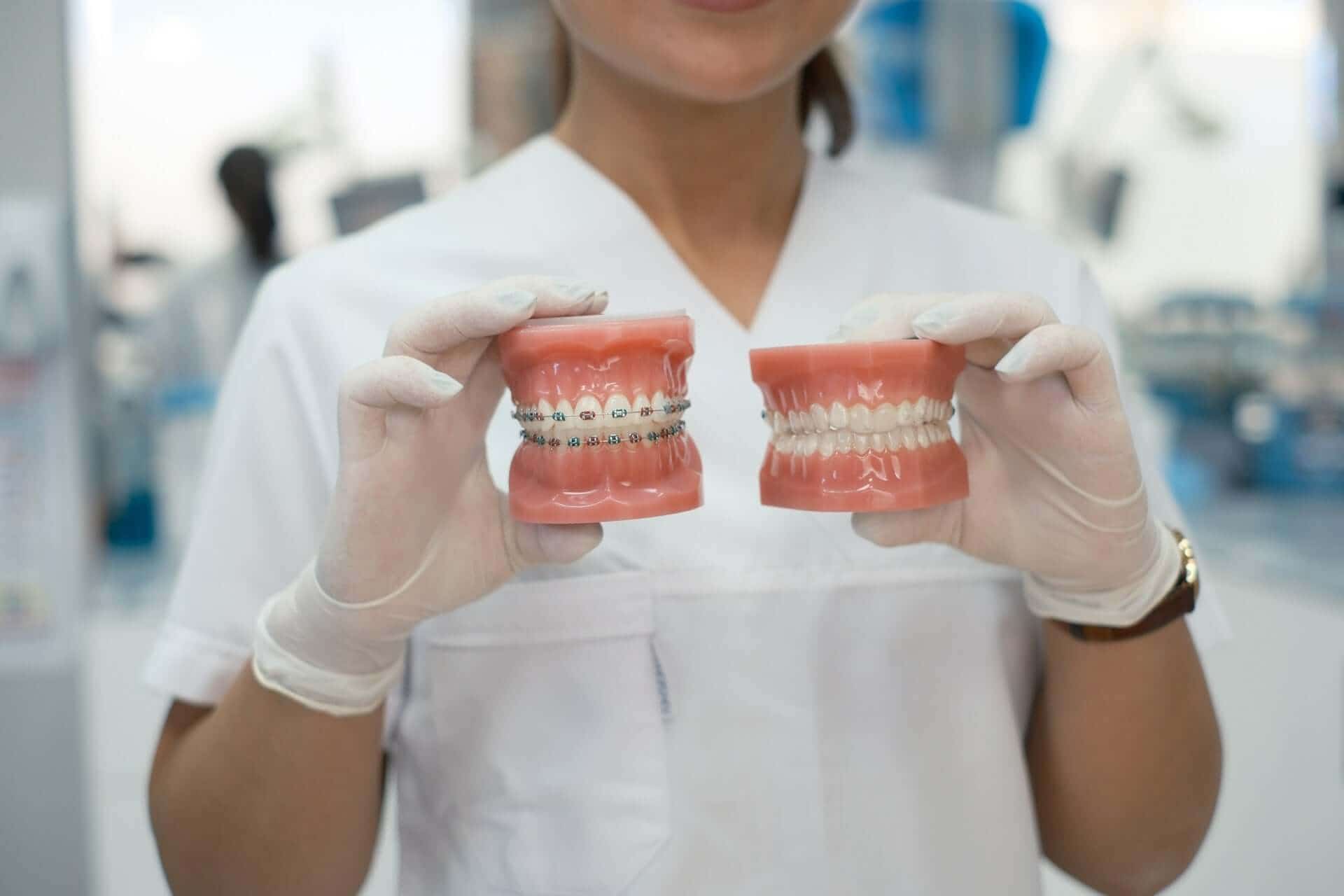
Ceramic, or clear braces, use the same bracket-and-wire system as metal ones. The real difference? Ceramic brackets look tooth-colored or translucent, so they blend in more.
Both types use the same mechanics to move teeth, so effectiveness stays similar. The big change is how visible your braces look, not how the pressure works.
Where Clear Aligners and Invisalign® Fit Into the Conversation
Clear aligners like Invisalign work a bit differently. Instead of brackets and wires, you wear custom-fit plastic trays that shift your teeth gradually. They're removable and almost invisible, so adults and older teens often love them.
Aligners aren't the same as ceramic braces. Knowing the difference helps you and your orthodontist zero in on what fits your needs best.
Appearance, Confidence, and Everyday Visibility
Let's be honest—visibility matters when you're wearing braces. Metal and ceramic options each give your smile a different look, and that can really affect how you feel.
Why Many Adults Prefer a Lower-Profile Look
Metal braces stand out. Those silver brackets and wires pop in photos, during conversations, and at work. Some people don't mind, but for many adults, that's a dealbreaker.
Ceramic braces use brackets made to match your teeth. They're not invisible, but they're much less obvious than metal braces most of the time.
When Tooth-Colored Materials Make a Big Difference
Tooth-colored brackets and clear or white wires make ceramic braces a quieter choice in meetings, social events, or Zoom calls. Sapphire braces go even further, using nearly transparent brackets that blend in almost completely.
If you're often in front of people, clear braces can help you feel less self-conscious. For many, the difference in appearance outweighs other factors and becomes the top reason to choose ceramic.
How a More Discreet Option Can Support a Confident Smile
When you like how you look during treatment, it's easier to stay motivated. If your braces don't jump out at you in the mirror, the process feels less overwhelming.
A subtle look won't change your final results, but it can make those months of treatment less stressful. For adults balancing work and social life, that peace of mind can be huge.
Strength, Speed, and Which Cases Need More Control
Every smile is different. Some cases are simple, while others need more precision. Metal and clear braces each have their own strengths depending on the situation.
Why Metal Braces Still Lead in Complex Tooth Movement
Metal braces shine in complex orthodontic cases. Stainless steel brackets stay strong and hold up under the pressure needed for tough tooth rotations or bite corrections.
Metal braces give orthodontists more precise control over each tooth. That level of control gets harder with ceramic braces in tricky cases, so many orthodontists still choose metal for more complicated plans.
When Ceramic Options Work Well for Mild to Moderate Needs
For mild or moderate alignment issues, ceramic braces can work almost as well as metal ones. The strength difference doesn't matter much when movements are simpler.
Ceramic brackets do chip or crack more easily than metal. If your case needs heavy force or a long treatment period, that's something to consider. For most, though, it's not really a problem in practice.
How Self-Ligating and Lingual Braces Compare
Self-ligating braces use a built-in clip instead of elastic ties to hold the archwire. That can cut down on friction and sometimes means fewer adjustment visits. You can get them in metal or ceramic.
Lingual braces hide on the inside of your teeth, so no one sees them. They're trickier to place and adjust, and they cost more. Still, if you want your braces invisible and aligners don't suit you, they're worth a look.
Comfort, Food Choices, and Cleaning Habits
Living with braces takes some getting used to. Whether you pick metal or ceramic, you'll need to tweak your eating habits and cleaning routine during treatment.
What to Expect After Adjustments
After each wire adjustment, your teeth and gums might feel sore for a day or two. That's normal and usually fades fast. Over-the-counter pain relief, soft foods, and saltwater rinses make those first days easier.
Ceramic brackets sometimes feel a bit smoother than metal, but both can irritate your cheeks early on. Wax over a bracket helps protect your cheeks until they toughen up.
Foods and Drinks That Can Cause Trouble
With brackets and wires, some foods become risky or need extra care. Hard, sticky, or crunchy snacks can break brackets or bend wires. That means extra trips to the orthodontist and delays.
Here are foods to skip with both metal and clear braces:
Hard candies and ice
Sticky stuff like caramel or gummy candies
Crunchy snacks like popcorn or hard chips
Chewy bread or bagels
Corn on the cob and whole apples (slice them up instead)
Ceramic brackets stain more easily than metal. Coffee, tea, red wine, and certain sauces can discolor brackets or elastic ties. It's one of the practical downsides of clear braces you should know about before deciding.
Daily Orthodontic Care That Protects Your Smile
Brushing and flossing around brackets and wires takes more effort than usual. An interdental brush or water flosser makes cleaning around brackets way easier and helps prevent plaque buildup.
Keeping your teeth clean during treatment really matters. Plaque left around brackets can cause white spots or early decay, which would spoil your results even after the braces come off.
Cost, Value, and What Shapes the Final Price
Cost is always a big question before starting braces. Metal and clear braces sit at different price points, and several factors shape what you'll end up paying.
Why Metal Braces Are Often the Budget-Friendlier Choice
Metal braces usually cost less than other fixed options. The materials are cheaper to make, and the process is well-established, so costs stay more predictable. If you have a few kids needing braces or a tight budget, metal often makes the most sense. You save money without sacrificing results.
Why Clear Braces Usually Cost More
Ceramic braces almost always cost more than metal. The higher-grade materials in ceramic brackets bump up the price. Sometimes the gap is a few hundred bucks, but it can be more based on your case's complexity.
Here's a quick look at how the main options compare:
Braces Type | Relative Cost | Visibility | Best For |
Metal Braces | Lower | High | Complex cases, budget-conscious |
Ceramic Braces | Moderate to High | Low | Mild to moderate cases, aesthetics |
Lingual Braces | Highest | None | Maximum discretion |
Clear Aligners | Varies | Very Low | Mild to moderate, removable preference |
These ranges shift based on your case and how long your treatment lasts.
Questions to Ask About Payment Plans and PPO Coverage
Some dental insurance plans cover part of orthodontic treatment, especially for younger patients.
It's smart to call your insurance before your consultation and see what's included. Most orthodontic offices offer payment plans that let you spread out the cost. Ask about flexible financing at your consultation—either type of braces can become more affordable this way.
Choosing the Best Fit for Your Smile and Lifestyle
When it comes down to clear vs metal braces, there's no one-size-fits-all answer. Your age, lifestyle, treatment needs, and budget all play a part in what works best for you.
Best Matches for Teens, Adults, and Busy Professionals
Teens usually do well with metal braces. They're tough, harder to break, and the price is lower, which helps families.
Adults or professionals who spend time in meetings or public roles often pick ceramic braces or clear aligners for a less obvious look. If you want to take your braces out sometimes, aligners like Invisalign® give you flexibility that fixed braces can't.
When Aesthetics Matter Most and When Durability Wins
Clear braces shine when you care about your smile's look during treatment. If your case is mild or moderate, ceramic braces can deliver great results with less visibility. For big bite corrections or tough tooth movements, metal braces take the lead.
Durability and control outweigh appearance when your treatment demands it.
What Happens After Braces Come Off
Once your braces come off, your orthodontist fits you for a retainer. Wearing it as directed is key.
If you don't, your teeth can drift back where they started. A retainer protects all the progress you have made. Most people wear it full-time at first, then switch to nights. Your orthodontist will give you a plan that fits your case.
Choosing the Right Braces for Your Lifestyle and Goals
When comparing metal braces vs clear braces, the right choice depends on your priorities, your case, and your daily routine. Both options are effective, but they offer different benefits when it comes to appearance, durability, and treatment control.
At Dentist of Anaheim, we work closely with each patient to find the option that fits their needs and expectations. Whether you value a more discreet look or need the strength of traditional braces, our goal is to guide you with clarity and care.
If you’re ready to explore your options, book a consultation today. Get personalized guidance and take the next step toward a straighter, healthier smile.
Frequently Asked Questions
What is the difference between metal braces vs clear braces?
The difference between metal braces vs clear braces is mainly their appearance and material. Metal braces use stainless steel brackets, while clear braces use tooth-colored or ceramic brackets. Both metal braces vs clear braces work in a similar way to move teeth.
Are metal braces vs clear braces equally effective?
Metal braces vs clear braces are both effective for straightening teeth. Metal braces vs clear braces use the same basic system of brackets and wires. Metal braces may be more effective for complex cases due to their strength.
Do metal braces vs clear braces look different?
Yes, metal braces vs clear braces look different in visibility. Metal braces are more noticeable because of their metal brackets. Clear braces are less visible because they blend with your natural tooth color.
Which is more expensive: metal braces vs clear braces?
Metal braces vs clear braces differ in cost, with clear braces usually costing more. Clear braces use specialized materials that increase the price. Metal braces are often more budget-friendly for many patients.
How do I choose between metal braces vs clear braces?
You can choose between metal braces vs clear braces based on your needs and preferences. Metal braces vs clear braces both work well, but your lifestyle, budget, and treatment complexity matter. Your orthodontist will help you choose between metal braces and clear braces based on your case.