Most families in Anaheim already know they should see a dentist regularly. The tricky part is figuring out exactly what that means for a toddler, a teenager in braces, a parent managing a busy schedule, and a grandparent all living under one roof. Knowing how often you should go to the dentist can protect teeth, prevent bigger problems, and save real money over time.
Dr. Hamid Barkhordar and the team at Dentist of Anaheim work with families every day who are asking exactly these questions, and the answers are more personal than most people expect.
Keep reading to learn which visit schedules make sense at every age, what factors change the twice-yearly standard, and how to keep your whole family on track without it becoming one more stressful thing on your list.
The Standard Schedule Most People Follow
For most people with healthy teeth and gums, visiting the dentist twice a year is the widely recommended starting point, and it works well as a default.
Why Twice-Yearly Visits Are Common
The six-month schedule gives your dentist a reliable window to catch small issues before they grow. Plaque and tartar can build up even with strong brushing habits at home, and a professional cleaning removes what your toothbrush cannot reach.
Many PPO insurance plans are also designed around this schedule, typically covering two cleanings and exams per year. Timing your visits around your benefits makes sense and reduces out-of-pocket costs.
That said, the twice-yearly rule is a starting point, not a law. Your dentist may recommend a different schedule based on what they find during your exam, your health history, or changes in your life.
What Happens at a Routine Checkup and Cleaning
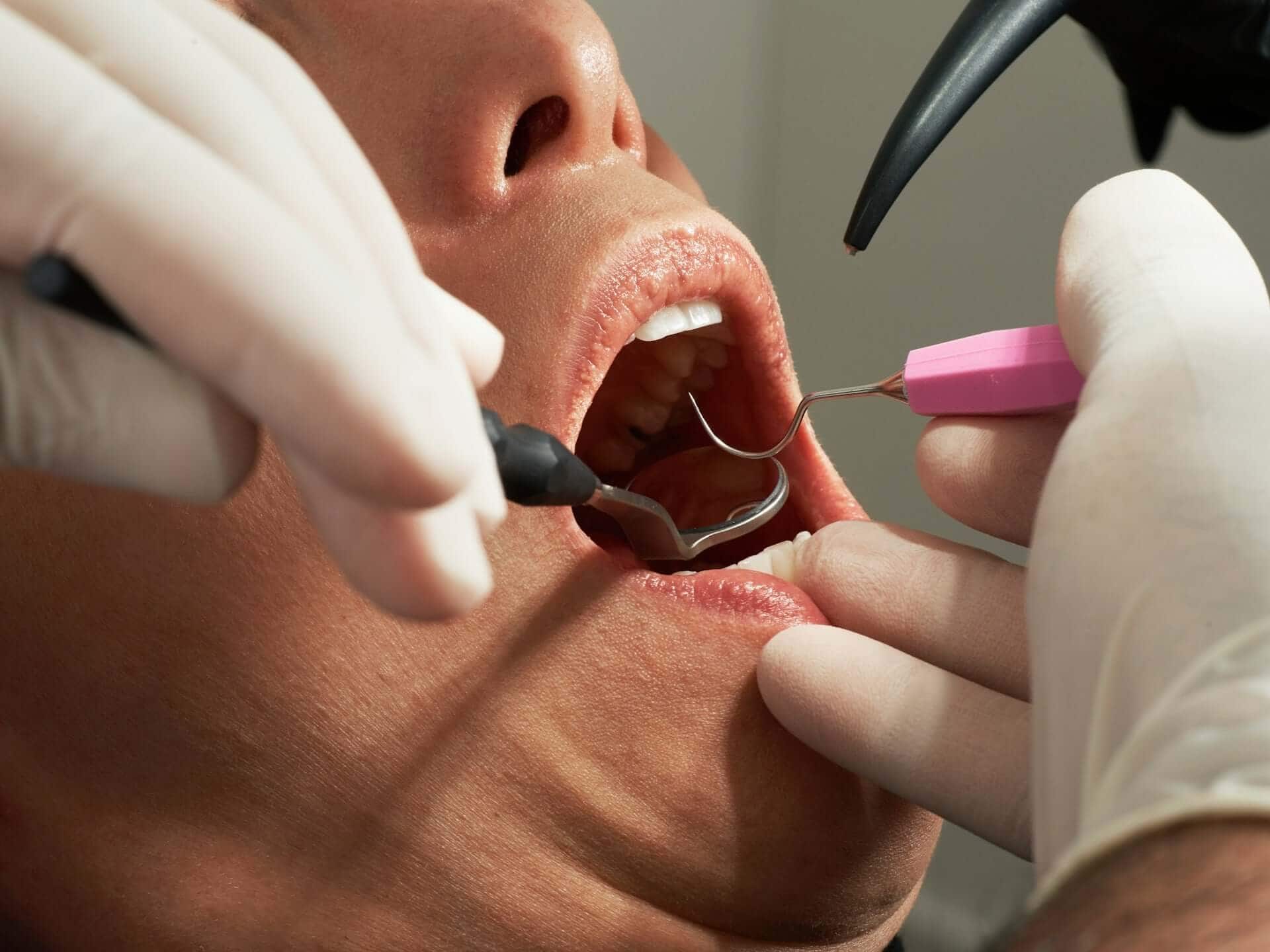
A standard visit usually includes a professional cleaning, a full exam, and digital X-rays, scheduled according to your age and risk level. The cleaning removes tartar buildup, polishes the surface of the teeth, and gives the hygienist a close look at your gum tissue.
The exam covers more than just cavities. Your dentist checks for early signs of gum disease, screens for oral cancer, and looks at how existing dental work is holding up. For children, the exam also tracks jaw development and how adult teeth are coming in.
None of this is complicated or scary. Most routine visits are straightforward and take under an hour, which makes it easier to slot them into a busy week. The standard twice-yearly visit works well for many people, but certain health factors and life stages call for a more personalized approach.
When Someone May Need Visits More Often
Some patients genuinely need to see a dentist more than twice a year, and knowing whether that applies to you or your child makes a real difference in long-term oral health.
Gum Disease Risk and Ongoing Maintenance
If you have been diagnosed with gum disease, your dentist will likely recommend cleanings every three to four months rather than every six. This type of visit is called a periodontal maintenance appointment, and it is not the same as a standard cleaning.
At these visits, the hygienist cleans deeper below the gum line to remove bacteria that cause ongoing tissue damage. Staying consistent with this schedule is the most effective way to prevent gum disease from worsening and to protect the bone that supports your teeth.
Patients who smoke, have diabetes, or have a history of recurring gum problems fall into this higher-frequency group and benefit most from a personalized cleaning schedule.
Braces, Aligners, and Extra Monitoring
Patients going through orthodontic treatment may need more frequent dental checkups in addition to their regular orthodontic appointments. Braces create more surface area for plaque to hide, which increases the risk of cavities and gum inflammation during treatment.
If your child has traditional metal braces or ceramic braces, keeping up with cleanings every six months, or more often if your dentist recommends it, helps protect the teeth underneath. Patients wearing Invisalign® aligners should still keep their routine cleanings since aligners trap moisture against the teeth when worn for 22 hours a day.
Orthodontic treatment is an investment, and protecting it with consistent checkups ensures the smile that emerges at the end is healthy and straight.
Pregnancy, Dry Mouth, and Other Health Factors
Pregnancy can cause hormonal changes that make gum tissue more sensitive and more prone to inflammation. Scheduling a cleaning during the second trimester is generally considered safe and a smart preventive step.
Dry mouth is another factor that significantly increases the risk of cavities. Certain medications, medical conditions, and cancer treatments can reduce saliva flow, and saliva is one of the mouth's natural defenses against decay. More frequent cleanings help manage that risk.
Any major change in your health, including new medications, a chronic condition, or significant stress, is worth mentioning to your dentist so they can adjust your care plan accordingly.
Dental Visit Timing by Age Group
The right visit frequency is not one-size-fits-all, and it genuinely shifts depending on where someone is in life.
Age Group | Recommended Visit Frequency | Notes |
Infants and Toddlers | By first birthday or first tooth | First visit is brief, low-pressure |
Young Children (2-6) | Every 6 months | Cavity risk is higher; sealants may be discussed |
School-Age Kids (7-12) | Every 6 months | X-rays track adult tooth development |
Teens | Every 6 months | Orthodontic monitoring often begins |
Adults | Every 6 months (adjust for risk) | More frequent if gum disease or other factors apply |
Seniors | Every 3-6 months | Medication side effects and gum health require close attention |
Babies and Toddlers Starting Dental Care
Most dental associations recommend a child's first dental visit around their first birthday or when their first tooth appears. That might sound early, but that first appointment is very brief and relaxed. It is more about getting your child comfortable in the chair and giving you practical guidance on brushing habits and feeding choices than doing any serious dental work.
Starting early also means your child becomes familiar with the dental office over time. Kids who begin visiting young tend to experience far less anxiety at appointments as they grow.
The first few visits are as much for parents as for children. You will leave with helpful tips on fluoride, diet, and what to watch for as more teeth come in.
School-Age Kids and Cavity Prevention
Children between the ages of two and twelve are at high risk of dental cavities, particularly in the back teeth, where molars develop deep grooves. Every-six-month visits allow the dentist to apply fluoride treatments and recommend sealants, thin protective coatings that block bacteria from settling into those grooves.
X-rays at this stage track how permanent teeth develop beneath the gums. Catching crowding or alignment issues early gives your child the best chance at a smooth transition into any orthodontic treatment later on.
Regular checkups at this age also reinforce good habits. Children who see the dentist consistently tend to be more comfortable asking questions and more motivated to brush well at home.
Teens, Adults, and Seniors
Teenagers often begin orthodontic treatment during these years, which means their dental schedule may include both orthodontic checkups and routine cleanings. Keeping both consistent is important since braces and aligners require careful monitoring.
For adults, the twice-yearly standard applies unless health factors change the picture. Gum disease tends to develop silently in adults, and routine exams are how it gets caught early. Staying consistent with checkups is one of the simplest things an adult can do for long-term oral health.
Seniors often deal with receding gums, dry mouth from medications, and a higher rate of cavities on exposed root surfaces. More frequent visits, sometimes every three to four months, help protect teeth during a stage when oral health changes can happen quickly.
What Can Happen When Checkups Get Delayed
Skipping a dental visit once might feel harmless, but the mouth does not pause while you wait. Problems that start small can grow quickly without professional monitoring.
Small Problems Can Turn Into Bigger Treatment Needs
A cavity caught early is a straightforward composite filling. A cavity left undetected for a year or more can reach the nerve of the tooth, which typically means a root canal and a crown rather than a filling. That difference is significant in both cost and treatment time.
Gum disease follows a similar pattern. In its earliest stage, called gingivitis, it is reversible with a professional cleaning and consistent brushing at home. If it progresses without care, it can cause permanent bone loss and may eventually lead to tooth loss.
Oral cancer screenings are also part of every routine exam. Early detection of unusual tissue changes dramatically improves outcomes. Regular visits are the most reliable way to stay informed about what is happening in your mouth.
Why Preventive Care Often Saves Time and Money
Preventive visits are almost always less expensive than the treatment needed to fix problems that were allowed to develop. Two cleanings and exams per year typically cost far less than a single crown or a round of periodontal treatment.
Most PPO insurance plans cover preventive visits at 100 percent, meaning your twice-yearly cleanings may cost you nothing out of pocket. Fully using those benefits is one of the easiest ways to protect your family's oral health without extra financial stress.
Thinking of routine dental care as an investment rather than an interruption makes it easier to prioritize. The less you skip, the less you are likely to need.
How Families Can Stay on Track Without Extra Stress
Keeping a whole family on a consistent dental schedule takes a little planning, but it does not have to feel like a logistical puzzle.
Coordinating Appointments for Parents and Children
One of the most practical strategies for families is booking back-to-back appointments for multiple family members on the same day. This halves the number of separate trips and makes it much easier to stay consistent over time.
When you call to schedule, ask if the office can fit two or more family members on the same afternoon. Family scheduling options like this are designed for busy parents managing school pickups, work hours, and a full calendar.
Setting a regular season for dental visits, such as every January and July, gives you a predictable rhythm that is easy to remember without needing a separate reminder for each person.
Signs It Is Time to Book Sooner Than Planned
Tooth pain or sensitivity that lasts more than a few days
Gums that bleed when you brush or floss
Swelling in the jaw or around a tooth
A tooth that feels loose or shifted
A chipped, cracked, or knocked-out tooth
Persistent bad breath that does not improve with brushing
White or red patches inside the mouth
Any of these signs means you should call your dentist before your next scheduled visit. Waiting until your six-month appointment to address something that feels wrong can allow a manageable issue to become a more serious one.
A consistent schedule protects the whole family, and knowing when to act sooner gives everyone an extra layer of security.
Frequently Asked Questions
Do Most Adults Still Need Dental Checkups Every Six Months, or Can It Be Less Often?
For adults with healthy teeth and gums and a low risk of decay, some dentists may extend visits to every nine or twelve months. The right interval depends on your personal oral health history, which your dentist will assess during each exam. Twice a year remains the common starting recommendation for most adults.
How Can You Tell if You Should Schedule Dental Cleanings More Often Because of Gum Disease Risk?
Signs like bleeding gums, persistent bad breath, or gum tissue that looks puffy or receding are worth mentioning to your dentist. Patients already diagnosed with gum disease are typically placed on a three to four-month cleaning schedule. Your dentist can evaluate your gum health and recommend the right interval for you.
How Often Should Kids See a Dentist to Support a Healthy Smile as They Grow?
Children should start seeing a dentist around their first birthday and continue with visits every six months unless a dentist recommends more frequent care. Regular checkups during childhood track cavity risk, jaw development, and the timing of adult teeth. Starting early helps kids feel comfortable and builds habits that carry into adulthood.
How Should Your Visit Schedule Change if You Have Braces or Invisalign® Treatment?
Orthodontic patients should keep their routine dental cleanings in addition to their orthodontic checkups. Braces and aligners can make it harder to clean teeth thoroughly, which raises the risk of cavities during treatment. Your dentist may recommend more frequent cleanings while you are actively in treatment.
What Does the CDC Recommend for Routine Dental Visits, and How Does That Compare to Common Advice Online?
The CDC encourages regular dental visits as part of overall preventive health, supporting the general guidance that adults and children should see a dentist at least once a year, with twice yearly being a common standard.
Most dental organizations and providers align with this, though they also note that individual health needs may call for more frequent visits. The key is getting a personalized recommendation from your own dentist rather than relying on a single rule.
If Dental Visits Feel Stressful, What Can Help You Keep Appointments Consistent and Stress-Free?
Letting your dental team know about your anxiety before the appointment gives them a chance to adjust their approach and explain each step. Booking morning appointments when you are well-rested, bringing headphones, or scheduling a shorter consultation visit first can all reduce that uneasy feeling. A compassionate dental team will work at your pace and help you feel more at ease over time.
Building Brighter Smiles for Your Whole Household
Getting every member of your family on the right dental schedule is one of those health habits that pay off over the years. It rarely feels dramatic, but it prevents problems that would be both painful and costly to fix.
The simplest approach is to treat dental visits the same way you treat school physicals or vision checks: regular, expected, and built into the calendar. When checkups become routine, they stop feeling like a chore and start feeling like maintenance that just happens.
Ready to put these tips into practice with a team that knows Anaheim families? Schedule your new patient exam at Dentist of Anaheim and let us take a look. You can also call (657) 571-8758 to find a time that works for your whole family in one visit.