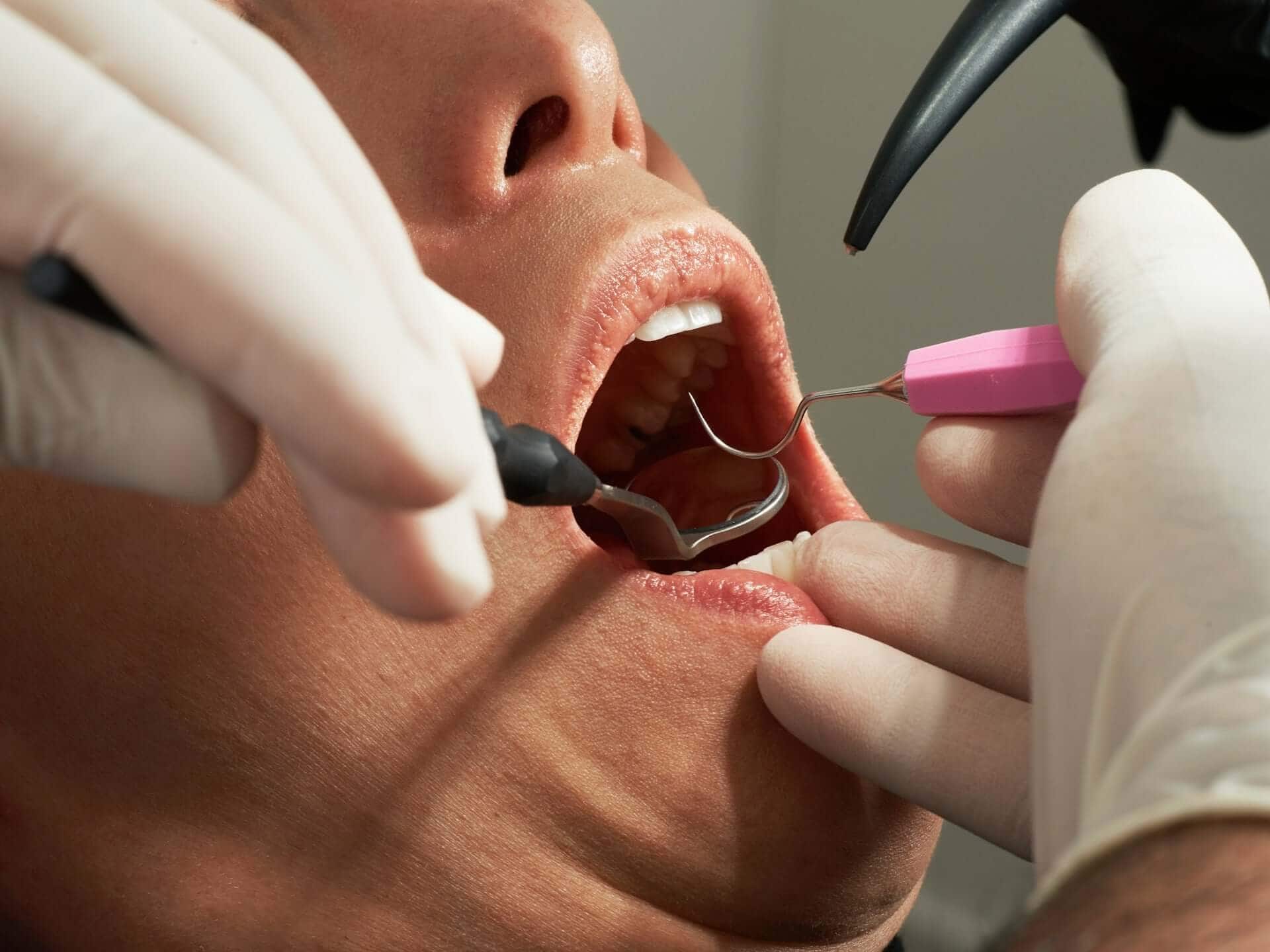
Noticing a little blood in the sink after brushing is easy to write off as brushing too hard. Puffy gums or a sore spot along the gumline might feel like a minor annoyance rather than a reason to call a dentist. These small, easy-to-dismiss signals are often the first signs of gum disease, and catching them early is exactly when they are most treatable.
Dr. Hamid Barkhordar and the team at Dentist of Anaheim work with families every day who come in with questions about exactly these kinds of changes in their mouth. The goal is always to give you a clear, calm picture of what is happening and your options, without making you feel anxious about what you find.
Keep reading to learn what the earliest warning signs of gum disease actually look like, why they happen, what a professional exam involves, and what steps you can take this week to protect your gum health. Every section is written in plain language because that is how oral health conversations should go.
What Gum Disease Means in the Early Stages
Gum disease starts slowly, and most people have no pain at first. It begins as an infection of the tissue surrounding your teeth, caused by a buildup of bacteria in a sticky film called plaque.
How Gingivitis Starts
When plaque is not removed through regular brushing and flossing, it irritates the gum tissue. That irritation is called gingivitis, the earliest and only fully reversible stage of gum disease. Your gums may look slightly red or feel tender, but many people notice nothing at all in the first weeks.
Plaque that sits on teeth long enough hardens into tartar, a rougher deposit that cannot be removed at home. Once tartar forms, only a professional cleaning can remove it. At this stage, gum tissue stays irritated and becomes more prone to bleeding and swelling.
When It Begins to Affect Deeper Tissues
If gingivitis is not addressed, the infection can move deeper. The tissue and bone that hold your teeth in place begin to pull away from the tooth surface, forming small pockets. Bacteria collect inside those pockets and cause more damage over time.
This deeper stage is called periodontitis. It is no longer fully reversible the way gingivitis is, but professional treatment can stop its progression and protect the teeth you still have. The earlier a dentist can catch this shift, the more options remain available to you.
Understanding how gum disease develops makes the individual warning signs easier to recognize, and that is where it helps to look closely at what your mouth is telling you.
Bleeding Gums During Brushing or Flossing
Gums that bleed when you brush or floss are among the clearest early signs that something is off. Healthy gum tissue does not bleed from routine brushing, even with thorough brushing.
Why Bleeding Is Often Dismissed
Many people assume that bleeding gums mean they are brushing too aggressively or not flossing regularly enough. While those things can cause brief irritation, recurring bleeding is not a technique problem. It is your body's response to bacterial inflammation in the gum tissue.
Skipping flossing for a stretch and then starting again can cause some temporary tenderness for a day or two. That kind of bleeding usually settles quickly. What deserves attention is bleeding that returns consistently, regardless of how gently or carefully you brush.
What Occasional vs. Ongoing Bleeding Can Suggest
Type of Bleeding | Likely Cause | What to Do |
One or two days after restarting flossing | Gum tissue adjusting | Continue flossing gently; monitor |
Consistent bleeding over one to two weeks | Possible gingivitis | Schedule a dental checkup |
Bleeding with swelling or soreness | Early gum infection | See a dentist promptly |
Bleeding along with bad breath | Gum disease more likely | See a dentist soon |
Persistent bleeding, especially when combined with any other symptom on this list, is a reason to stop waiting and book an appointment. The good news is that gingivitis-related bleeding responds well to professional cleaning and better home care when caught at this stage.
Bleeding gums rarely show up alone, and the changes happening in the gum tissue itself are often visible if you know what to look for.
Swelling, Redness, and Gum Tenderness
Changes in the color and texture of your gums are among the most visible early signs of gum disease, even if you are not feeling discomfort yet.
What Healthy Gums Usually Look Like
Healthy gum tissue is firm and fits snugly around each tooth. The color varies naturally from person to person, ranging from light pink to deeper pink or brown tones. What stays consistent is that healthy gums feel solid, not spongy, when you press gently along the gumline.
If your gums look a brighter red than usual, appear swollen or puffed up, or feel tender when you run your tongue over them, those are signs of inflammation. Inflammation is your body's response to fighting a bacterial infection in the tissue.
Why Puffy Gums Can Signal Irritation
Swollen gums often feel fine until something touches them directly. You might notice tenderness only when flossing or during certain foods. That intermittent quality makes it easy to set aside, but the swelling itself reflects ongoing irritation that is not resolving on its own.
Gum tissue that stays swollen for more than a week or two is not self-correcting. It needs the source of irritation, usually plaque or tartar buildup, to be professionally removed so the tissue can heal. At the gingivitis stage, gum tissue can fully return to health once the irritant is cleared.
Redness and swelling at the gumline are worth paying attention to on their own, but they are often accompanied by a less visible symptom that still affects everyday life.
Bad Breath That Keeps Coming Back
Persistent bad breath that does not go away after brushing is one of the more telling early signs of gum disease, even though it is often blamed on food or dry mouth alone.
How Bacteria Affect Breath
The bacteria responsible for gum disease produce compounds as they break down tissue and food debris. Those compounds produce an odor distinct from morning breath or garlic breath. Brushing your teeth removes surface bacteria, but it cannot reach bacteria living in inflamed pockets along the gumline.
That is why mouthwash and breath mints offer only temporary relief. The odor keeps returning because the source, bacteria tucked into irritated gum tissue, has not been addressed. This pattern of breathing that briefly freshens and then returns is a meaningful signal.
When Mouth Odor May Point to More Than Dry Mouth
Dry mouth can cause bad breath, and certain medications or health conditions can contribute to dry mouth. But dry mouth odor tends to improve with hydration and saliva production throughout the day. Odor tied to gum disease does not follow that pattern.
Breath that smells unpleasant in the morning AND after brushing
An odd or stale taste that lingers through the day
Bad breath that does not improve with water or gum
A partner or family member mentioning it even when you cannot notice it yourself
If two or more of those apply to you, it is worth mentioning to your dentist. Bad breath connected to gum disease clears up once the infection is properly treated, and many patients feel noticeably more confident afterward.
Changes in breath are often happening at the same time as more structural changes in the gum tissue, including some that are visible to the eye.
Gum Recession and Changes Around the Teeth
When the gums begin to pull back from the tooth surface, it is a sign that the tissue is under stress. You may notice your teeth starting to look longer than they used to, or you might feel spaces between your tooth and gum that were not there before.
Why Teeth May Look Longer
Gum recession happens when tissue gradually pulls away from the tooth. This can expose the lower portion of the tooth, sometimes even the root surface. The change can be gradual enough to go unnoticed for months, especially when there is no pain involved.
Recession is not always tied to gum disease alone. Aggressive brushing technique, genetics, and certain oral habits can also contribute. A dentist can help identify the cause and tell you whether what you are seeing is a concern that needs treatment or a pattern to monitor carefully.
Sensitivity That Can Happen as Gums Pull Back
When the gum tissue no longer covers the lower portion of the tooth, the exposed area becomes more sensitive to temperature and touch. You might feel a sharp or fleeting sensation when drinking something cold, breathing in cold air, or eating sweet foods.
That sensitivity happens because the root surface does not have the same protective enamel coating as the crown of the tooth. It is not always painful, but it is a sign that your gum tissue is not where it should be. A recession caught early is far easier to manage than one that has progressed over time.
Recognizing these signs is genuinely good news, because the earlier you notice them, the more straightforward the path forward tends to be.
Why Prompt Attention Can Prevent Bigger Problems
Spotting these signs early and acting on them is the most practical thing you can do for your long-term dental health. The difference between gingivitis and advanced gum disease is mostly a matter of timing.
How Early Care Can Reverse Gingivitis
Gingivitis is the only stage of gum disease that is fully reversible. A professional cleaning removes the tartar that your toothbrush cannot, and your gum tissue can heal on its own once the irritant is gone. Paired with a consistent home care routine, most people with early gingivitis see real improvement within a few weeks.
That outcome changes as gum disease progresses. Once the infection reaches the bone and deeper tissue structures, the goal shifts from reversal to management. Treatment becomes more involved, more time-intensive, and more costly than a routine cleaning would have been.
What Can Happen if Symptoms Are Ignored
Untreated gum disease does not stay stable. It progresses through increasingly severe stages, from early periodontitis to moderate and advanced periodontitis, each involving greater loss of the tissues and bone that support your teeth. At advanced stages, teeth can become loose or may need to be removed.
Research also connects untreated periodontal disease to broader health concerns, including increased risk of certain systemic conditions. The gum tissue is not isolated from the rest of your body, and a long-standing infection in that tissue can affect other parts of your body.
Acting on a nagging symptom now is far easier than addressing the consequences of waiting, and a dental visit is a much more manageable step than it might feel in the moment.
What to Expect During a Professional Gum Evaluation
A gum evaluation is a thorough but comfortable process. It is designed to give your dentist a full picture of your gum health so any concerns can be addressed early.
Questions, Visual Exam, and Measurements
Your dentist will start by asking about your dental history, any symptoms you have noticed, medications you take, and habits like smoking that can affect gum health. These questions help frame what the exam findings actually mean for your situation.
The visual portion of the exam looks at the color, texture, and position of your gum tissue, as well as signs of plaque, tartar, or recession. Your dentist will also use a small probe to gently measure the depth of the spaces between your teeth and gums. Healthy measurements are typically shallow; deeper readings indicate that pockets have formed.
How X-Rays and Photos May Help
Digital X-rays allow your dentist to see the bone level beneath the gumline, which is not visible during a visual exam alone. Changes in bone height are one of the clearest indicators of how far gum disease has progressed.
Intraoral photos give both you and your dentist a detailed look at specific areas of concern. Many patients find it helpful to see exactly what their dentist is describing, and photos make it easier to track changes at future visits. Together, X-rays and photos give your care team the full picture they need to make an accurate recommendation, whether that means a standard cleaning, more targeted treatment, or simply a closer monitoring schedule.
Frequently Asked Questions
How Can I Tell the Difference Between Normal Gum Irritation and the Start of Gingivitis?
Normal irritation from a popcorn kernel or hard food tends to clear up within a day or two. Gingivitis involves redness, swelling, or bleeding that returns consistently over a week or more, even with gentle brushing. If a symptom keeps coming back, it is worth having a dentist take a look.
What Symptoms Should Prompt Me to Schedule a Dental Visit Right Away, Even if I Feel Nervous About It?
Swelling that spreads beyond the gumline, a visible abscess or pus near a tooth, or severe pain that does not settle are reasons to call your dentist the same day. Persistent bleeding over two or more weeks, combined with bad breath or tenderness, also warrants a prompt appointment rather than a wait-and-see approach.
What Are the Typical Stages of Gum Disease, and How Quickly Can It Progress if Ignored?
Gum disease moves through four stages: gingivitis, early periodontitis, moderate periodontitis, and advanced periodontitis. Progression speed varies from person to person and depends on factors such as oral hygiene, smoking, and overall health. For some people, untreated gingivitis advances within months; for others, it may take years, but the direction without treatment is always toward greater damage.
Can Gum Disease Be Reversed Once It Starts, or Is Treatment Only About Stopping It from Getting Worse?
Gingivitis, the earliest stage, is fully reversible with professional cleaning and improved home care. Once the infection has reached the bone and deeper supporting tissue, reversal is no longer possible, but treatment can stop further progression and protect the teeth you have. This is the main reason early detection matters so much.
What Safe, at-Home Steps Can I Take This Week to Support Healthier Gums Before I Come In?
Brush twice a day gently with a soft-bristled toothbrush, and floss once a day to remove plaque between teeth where brushing cannot reach. Drinking plenty of water helps keep your mouth from drying out, and reducing sugary snacks removes a key fuel source for the bacteria that cause gum disease.
What Professional Treatments Might Be Recommended for Mild Gum Disease, and What Can I Expect During the Visit?
For mild gum disease, the most common treatment is a thorough professional cleaning that removes plaque and tartar above and below the gumline. In some cases, a deeper cleaning called scaling and root planing is recommended to smooth out root surfaces and help gum tissue reattach. Both procedures are straightforward, and your dentist can explain exactly what will happen before anything begins.
When It Is Time to Schedule a Visit in Anaheim
If you have noticed any of the symptoms described in this guide, that is already reason enough to make an appointment. You do not need to wait until something hurts to justify getting a professional opinion.
Gum health affects how you feel day to day, how your breath smells, how sensitive your teeth are, and, over the long run, whether you keep your teeth. Making one appointment now puts you in a much stronger position than putting it off until something more noticeable develops.
Ready to put these findings into action? Schedule your new patient exam at Dentist of Anaheim and let the team take a look. Questions about your gum health or your child's first visit? Call (657) 571-8758 and the team will find a time that works for your whole family.