That moment your toddler's first tiny tooth breaks through is one of those milestones you do not forget. But it also marks the start of something important: their dental health journey. Many parents are not sure when to make that first appointment, or what the visit will actually look like once they get there.
Getting the timing and preparation right for your child's first dental visit can shape how they feel about dental care for years to come. Dr. Hamid Barkhordar and the team at Dentist of Anaheim understand exactly what Anaheim families are thinking when this question comes up, and they are here to make that first step feel simple and low-pressure.
Keep reading to learn when to schedule a toddler's first dental visit, what happens during the appointment, how to prepare your little one in advance, and how to build strong habits that carry over. The information here is meant to feel like advice from someone who genuinely wants the experience to go well for your whole family.
When to Schedule That First Appointment
Most dental associations agree: your toddler should see a dentist by their first birthday or within six months of their first tooth appearing, whichever comes first. That window might feel early, but the timing is actually ideal.
The First Tooth or First Birthday Rule
When that first tiny tooth arrives, usually between six and ten months, it becomes an active part of your child's mouth that needs care right away. The "first tooth or first birthday" rule is not just a catchy phrase; it reflects the real window when early guidance does the most good.
At this stage, there is no need to wait until your child has a full set of teeth or is old enough to sit still for a long appointment. Early visits are short, gentle, and mostly about checking that development is on track and giving you useful information as a parent.
Why Starting Early Helps
Starting dental visits early builds a habit of familiarity. Children who visit the dentist before any problems arise tend to feel more comfortable with the process as they grow. That comfort is much easier to establish early than it is to rebuild after a negative experience.
Early visits also give the dentist a chance to catch small issues before they grow. The dentist can review your child's bite, check for early signs of decay, and talk with you about feeding habits, pacifier use, and how to clean their gums and teeth at home. That personalized guidance in the first year makes a genuine difference.
The table below shows how early and regular visits align with your toddler's developmental stage.
Age | Recommended Action |
6 to 12 months | First dental visit, tooth or birthday rule |
12 to 18 months | Confirm brushing technique with dentist |
18 to 24 months | Assess bite, check for early cavities |
2 to 3 years | Reinforce brushing habits and dietary guidance |
Every 6 months | Ongoing routine checkups |
Knowing when to start is only part of the picture; understanding why baby teeth matter helps make sense of the whole effort.
Why Baby Teeth Matter More Than Many Parents Think
Baby teeth do far more than hold space in a small mouth. They are active, working teeth that play a real role in your child's health and development from the time they arrive.
Eating, Speech, and Smile Development
Your toddler's baby teeth help them chew properly, which directly affects how well they can eat a varied, nutritious diet. When a tooth is painful or decayed, chewing becomes uncomfortable, and children often avoid foods they need most.
Baby teeth also shape how your child forms sounds and learns to speak. Teeth like the front incisors are essential for sounds such as "th," "f," and "v." Missing or damaged baby teeth can create speech challenges that take time to work through.
On top of that, healthy primary teeth support the natural development of your child's jaw and facial structure. They influence how your child's face grows and how their smile takes shape as they move through childhood.
How Early Care Supports Adult Teeth
Baby teeth act as natural guides for permanent teeth. They hold the correct spacing in the jaw so that adult teeth have a clear path to erupt in the right positions. When a baby tooth is lost too early due to decay or infection, neighboring teeth can drift, narrowing the space an adult tooth needs.
Untreated cavities in baby teeth can also spread infection to the tissue and bone around a developing permanent tooth. That is why treating a cavity in a two-year-old is genuinely important, even though the tooth will eventually fall out anyway.
Thinking of baby teeth as the foundation for adult teeth makes the purpose of early dental care much clearer, and the next step, knowing what that first visit actually involves, makes scheduling feel a lot less uncertain.
What Happens During the Visit
A toddler's first dental visit is gentle, brief, and built around comfort. Most appointments last between 30 and 45 minutes, and a large part of that time is conversation between you and the dental team.
A Gentle Look at Teeth and Gums
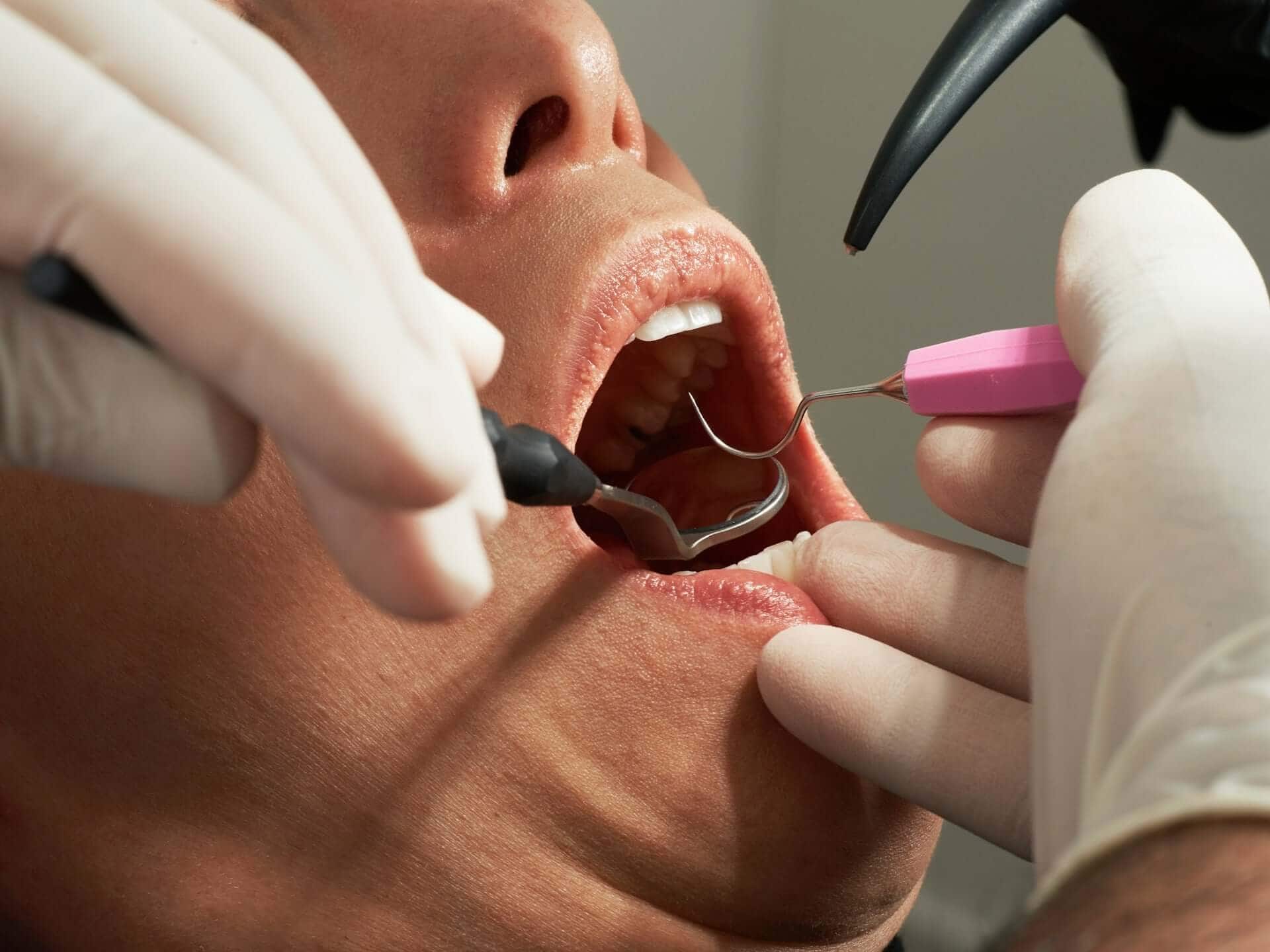
The dentist will gently examine your child's teeth, gums, jaw, and bite. The goal is to check for healthy growth and development, look for early signs of decay, and ensure the gums look healthy. This is not an intensive procedure; it is a careful, friendly look.
Your child may sit in your lap or in the dental chair depending on their age and comfort level. The team is experienced in working with toddlers and knows how to keep the pace easy and reassuring. The instruments used are small and non-threatening, and the dentist will typically narrate what they are doing in simple, friendly terms.
X-rays are not routine at this age and are only taken if there is a specific concern the dentist cannot assess visually. There is no need to worry about that being a standard part of the first visit.
Cleaning, Fluoride, and Parent Guidance
If your child is comfortable, the dentist or hygienist may perform a light cleaning to remove early plaque buildup and gently polish the teeth. This gives the team a clearer look at the tooth surfaces and helps your child get used to the sensation in a low-stakes setting.
The dentist will also discuss fluoride, which plays an important role in strengthening tooth enamel and preventing decay. Depending on your child's age and current diet, a fluoride application may be offered right during the visit.
You will leave the appointment with clear, practical guidance on how to brush your toddler's teeth at home, which foods and drinks to limit, and which habits, like pacifier use or bottle-feeding, to watch as your child grows. Now that you know what the visit involves, preparing your toddler ahead of time becomes much easier to think through.
How to Prepare Your Toddler Before the Appointment
A little preparation at home goes a long way toward making the visit feel familiar rather than surprising. You do not need to do anything elaborate; simple, positive steps are most effective.
Simple Ways to Talk About the Visit
Use calm, straightforward language when you talk about the dentist with your toddler. Keep it positive and matter-of-fact. You might say, "We are going to visit someone who looks at teeth and makes sure yours are healthy." Avoid words like "hurt," "scary," or "shot," even if you are using them to say those things will not happen.
Reading a children's book about visiting the dentist or watching a short, friendly video about what a dental visit looks like can help your toddler build a mental picture before arrival. Familiarity reduces the unknown, and the unknown is usually what feels unsettling.
Play-acting a "dentist visit" at home is another practical approach. Let your child be the dentist and examine your teeth with a spoon or popsicle stick, then switch roles. It turns the concept into something that feels like play rather than a test.
What to Bring and How to Time the Day
Here is a short list of what to have ready before the appointment:
Your child's insurance card or policy information
Any medical history forms the office sends in advance
A small comfort item your toddler loves (a stuffed animal or favorite toy)
A snack for after the visit if your child tends to be hungry between meals
Patience and a calm, relaxed attitude from you
Schedule the appointment at a time when your child is typically rested and cooperative. For most toddlers, a morning slot works well because they have not yet hit the tired, cranky part of the day. Avoid scheduling during nap time if you can.
Once you have prepared your child, knowing how to support them during the visit itself is what makes the biggest difference.
How Parents Can Help the Visit Feel Calm
Your presence and energy in the room matter more than you might expect. Toddlers are very sensitive to the emotions of the adults around them, and your calm signals safety.
What Your Child May Need From You
Stay close and relaxed. If the dental team invites your child to sit on your lap during the exam, hold them gently and maintain open, comfortable body language. Avoid gripping tightly or looking worried, as toddlers pick up on tension quickly.
Speak in a soft, steady voice if your child looks to you for reassurance. Simple phrases like "You are doing great" or "Almost done" are enough. Let the dental team lead the appointment; your job is to be a calm anchor, not to narrate or manage what is happening in the chair.
If you have your own nervousness about dental visits, try to set it aside during this appointment. Your child does not need to know that dentists sometimes make adults feel uneasy. Their first experience should be framed by your most relaxed, confident self.
Common Reactions That Are Still Normal
Some toddlers sail through the first visit with curiosity and enthusiasm. Others cry during the exam, refuse to open their mouths, or want to leave immediately. All of these reactions are completely normal and not a sign that something went wrong.
Dental teams who work with young children are trained to handle a wide range of toddler behaviors without frustration or alarm. They adjust their approach based on how your child is responding, and they will not push past what your child is ready for.
A less-than-perfect first visit does not mean your child will always feel this way. Often, the second or third visit goes much more smoothly simply because the environment feels familiar. The most important thing is that they went, and that the experience stayed calm and respectful throughout. With the visit behind you, the next focus shifts to what happens at home between appointments.
Building Healthy Habits After the Visit
The dentist will give you a foundation to work from. What you do at home in the days and weeks after the visit is what turns that guidance into lasting habits.
Brushing, Snacks, and Daily Routines
Brush your toddler's teeth twice a day using a soft-bristled toothbrush and a very small amount of fluoride toothpaste, about the size of a grain of rice for children under three. After age three, a pea-sized amount is appropriate. Brush for them until they are old enough to do a thorough job on their own, which is usually around age seven or eight.
Limit sugary drinks and snacks between meals. Juice, soft drinks, and sweet treats repeatedly expose teeth to sugar throughout the day, accelerating decay. Offer water as the default drink and fresh fruit instead of packaged snacks when possible.
Build brushing into the daily routine at the same times each day, morning and before bed. When it becomes as automatic as washing hands before dinner, it stops feeling like a battle.
When to Plan the Next Checkup
Most children should visit the dentist every six months after the first appointment. Some dentists recommend more frequent visits for toddlers who are at higher risk for cavities or who have specific developmental concerns.
Your child's dentist will let you know at the end of the first visit how soon to return. Put that date in your calendar before you leave the office so it does not get lost in the shuffle of daily life.
Consistent checkups are where small issues stay small, and where your child keeps building the comfort and confidence that will serve them well throughout their life.
Frequently Asked Questions
At What Age Should My Child Have Their First Dentist Appointment?
The American Dental Association and the American Academy of Pediatric Dentistry recommend scheduling your child's first dental visit by age one or within six months of the first tooth appearing. Starting this early allows the dentist to catch any concerns while they are small and gives you a chance to ask questions about home care before habits are fully set.
How Can I Help My Toddler Feel Calm and Stress-Free Before a Dental Visit?
Talk about the visit in simple, positive terms a few days before the appointment. Read a book about going to the dentist, play a pretend visit at home, and avoid using words that suggest pain or fear. On the day of, schedule the appointment when your child is well-rested, bring a comfort item, and keep your own energy calm and steady.
What Happens During a Toddler's First Dental Checkup, and How Long Does It Take?
A first visit typically lasts 30 to 45 minutes and includes a gentle exam of your child's teeth, gums, bite, and jaw. The dentist may perform a light cleaning if appropriate, discuss fluoride, and provide guidance on brushing technique and diet. X-rays are rarely taken at this age unless there is a specific concern.
Should I Choose a Pediatric Dentist or a Family Dentist for My Young Child?
Both can provide excellent care for toddlers. A family dentist who sees patients of all ages can be a convenient choice, especially if you want your child to see the same practice you already trust. The most important factors are that the team is experienced with young children and that the environment feels welcoming and calm.
What Should I Bring and What Should My Toddler Eat or Avoid Before the Appointment?
Bring your insurance information, any completed health history forms, and a small comfort item for your child. Feed your toddler a light meal before the visit so they are not hungry or cranky, but avoid giving them a large meal right before the appointment. There are no special food restrictions for a routine first exam.
How Often Should Toddlers See the Dentist After the First Visit?
Most toddlers should return every six months for a routine checkup and cleaning. Some children may benefit from more frequent visits if they have a higher risk of cavities or if the dentist wants to monitor a specific area of development. Your child's dentist will give you a personalized recommendation at the end of the first appointment.
A Comfortable Start for Growing Smiles
Getting your toddler to the dentist early is one of the most practical things you can do for their long-term health. It is not just about catching problems; it is about building a relationship with dental care that feels routine, safe, and even a little familiar.
The visit itself is short and gentle. The information you walk away with is genuinely useful. And the habit you establish, of showing up regularly and treating oral health as part of everyday life, is something your child will carry forward long after those baby teeth are gone.
Questions about your toddler's first dental visit or your child's gum health? Call Dentist of Anaheim at (657) 571-8758, and the team will help you find a time that works for your whole family.