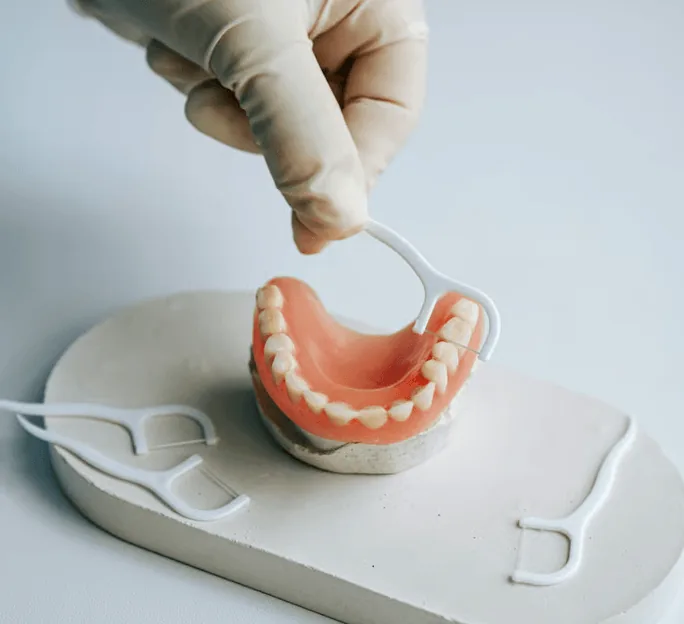
Most people know they should floss every day. But knowing and doing are two different things, and doing it correctly is where many families quietly fall short. If you have ever finished flossing and still felt like something was left behind, your technique may just need a few small adjustments.
At Dentist of Anaheim, Dr. Hamid Barkhordar and the team work every day with Anaheim families who want to build better habits at home, and proper flossing always comes up.
Keep reading to learn which tools work best for different households, how to floss step by step with both string floss and a water flosser, how to make the habit stick for your kids, and when to call the office for a little extra support. Think of it as the practical guide you wish someone had handed you years ago.
Why Flossing Matters for Gum Health
Flossing is one of the simplest ways to protect your gums, and it takes only about 2 minutes a day. When you skip it, you leave a large portion of your tooth surfaces completely untouched by any cleaning tool.
What Brushing Misses Between Teeth
Your toothbrush cleans the front, back, and chewing surfaces of your teeth. It does not fit into the tight contact points where two teeth press together. That gap is where plaque builds up fastest and where cavities often start.
Plaque is a sticky film made of bacteria. When it stays between teeth for more than a day or two, it begins to irritate the gum tissue. Over time, that irritation can progress to gingivitis, the earliest and most reversible form of gum disease.
The good news is that the damage from skipping flossing is not permanent at this stage. Consistent daily flossing, combined with regular professional cleanings, can reverse gingivitis before it becomes something more involved.
How Daily Flossing Helps Prevent Gum Problems
When you floss daily, you physically remove the bacteria and food debris that brushing left behind. That reduces inflammation, which is what causes the redness and puffiness many people notice along their gumline.
Flossing also helps with bad breath. A large portion of mouth odor comes from bacteria sitting between teeth and under the gumline. Removing those deposits once a day keeps your mouth feeling and smelling noticeably cleaner.
There is also a systemic benefit worth mentioning. Research has linked gum inflammation to other health concerns, including cardiovascular health. Keeping your gums calm and healthy is not just about your smile; it is part of caring for your body. Once you understand why flossing matters, the next step is picking the right tool for your household.
Choosing the Right Tool for Your Routine
The best flossing tool is the one you will actually use consistently. Fortunately, you have more options than ever, and the right choice depends on your age, dental work, and personal comfort.
When String Floss Makes Sense
Traditional string floss is the most widely recommended option for adults with healthy, typical spacing between their teeth. It gives you the most control over the angle and pressure you apply at each tooth surface.
Waxed floss slides more easily between tight contact points and is less likely to shred. Unwaxed floss can work well for teeth with slightly larger gaps. Both are effective when used correctly.
If you have dental bridges, a floss threader or super floss can help you get underneath the bridgework where a regular strand cannot reach on its own.
How Water Flossers Fit Into Family Care
A water flosser uses a pressurized stream of water to flush debris from between teeth and below the gumline. Many families find it easier to use consistently, especially for members who find string floss awkward or uncomfortable.
Water flossers are particularly helpful for anyone with braces, implants, or crowns, since those restorations can create areas that are tricky to reach with string. The pulsed water stream can rinse around hardware that string would snag on.
It is worth noting that most dental professionals consider water flossers a complement to brushing, not a full replacement for string flossing. Using both together covers the widest range of surfaces.
Helpful Options for Kids and Braces
Floss picks, which are small Y-shaped plastic handles with a short stretch of floss, are great for children who are still developing hand coordination. They are much easier to maneuver than a long strand wrapped around tiny fingers.
For kids or teens with braces, orthodontic flossers with a stiff threader tip make it possible to slide floss under the wire without a separate tool. Some families also use a floss threader with regular waxed floss and find it works just as well.
Tool | Best For | Key Benefit |
String floss | Adults, typical spacing | Maximum control and plaque removal |
Waxed floss | Tight teeth | Slides easily, less shredding |
Floss pick | Children, beginners | Easy to hold and maneuver |
Water flosser | Braces, implants, crowns | Reaches hardware, gentle on tissue |
Floss threader | Bridges, braces | Passes floss under wires and pontics |
Step-by-Step Technique With String Floss
Good string floss technique takes about a week to feel natural. Once it clicks, it becomes second nature.
How Much Floss to Use and How to Hold It
Start with about 18 inches of floss. That sounds like a lot, but the length gives you a fresh, clean section to use at each tooth so you are not just moving bacteria from one gap to another.
Wind most of the floss around the middle finger of each hand. Use your index fingers and thumbs to hold a taut one-inch section between them. Your middle fingers take up the slack as you move through your mouth, keeping that working section short and controlled.
Wash your hands before you start. It is a small step, but it matters since your fingers will be in and around your mouth.
How to Clean Along Each Tooth Gently
Guide the floss between two teeth using a gentle back-and-forth rocking motion. Do not snap it down into the gum; ease it in slowly until you feel slight resistance at the gumline.
Once you reach the gum, curve the floss into a C-shape around one tooth. Slide it gently up and down along the tooth surface, going just slightly below the gumline. Aim for eight to ten strokes before moving to the other tooth in that same gap.
Work from the back teeth on one side to the back teeth on the other, following the same pattern each time. Consistency helps you avoid missing spots.
Common Mistakes That Can Irritate Gums
Snapping the floss down into the gum instead of guiding it gently is the most common cause of gum pain and minor bleeding.
Using the same section for every tooth spreads bacteria rather than removing it.
Rushing through the back molars leaves the highest-risk areas undertreated.
Stopping after one day because gums bleed. Light bleeding from inflamed gums usually improves within three to five days of consistent flossing.
Skipping the gumline by cleaning only the visible part of the tooth misses where plaque causes the most damage.
If your gums bleed consistently for more than a week after starting a daily routine, it is worth checking in with your dental team to rule out early gum disease.
Step-by-Step Technique With a Water Flosser
A water flosser is straightforward once you know what to expect on the first use. The biggest surprise for most people is how much water ends up everywhere, and there is an easy fix for that.
How to Set Up the Device
Fill the reservoir with lukewarm water. Cold water can cause a brief, sharp sensation on sensitive teeth, so room temperature or slightly warm works better, especially for kids. Secure the reservoir firmly so it does not leak or pull loose mid-use.
Attach the nozzle tip that came with your device. Most standard tips are designed for general cleaning. Specialized tips are available for braces, implants, and periodontal pockets, but the standard one is the right starting point for most users.
Set the pressure to the lowest setting for your first few sessions. You can increase it gradually as your gums adjust and as you get comfortable controlling the stream.
How to Angle the Stream Along the Gumline
Lean over the sink before you turn the device on. Position the tip between the first two teeth you want to clean, then turn it on while your mouth is already closed around it. This prevents splashing.
Aim the stream at a 90-degree angle to the gumline, pointing directly at the gap between your tooth and gum tissue. Pause for a second or two at each space, then glide to the next gap.
Work around each arch, hitting both the outer and inner surfaces. The inner surfaces near your tongue are easy to skip, but they collect just as much debris as the outer surfaces.
How to Keep the Process Comfortable and Mess-Free
Keeping your lips lightly closed around the nozzle is the single best way to avoid a countertop full of water. Let the water drain from the corner of your mouth into the sink as you go.
Start with just the upper arch on your first attempt. A full session takes only about a minute once you develop a rhythm, but starting with half the mouth keeps the learning curve manageable. Clean the tip and reservoir after every use. Standing water in the tank can harbor bacteria, which defeats the purpose entirely.
Teaching Children Good Habits at Home
The habits your kids build now will follow them for decades. Starting early and keeping it simple makes all the difference.
When Kids Should Start
You should begin flossing your child's teeth as soon as two teeth are touching side by side, which can happen as early as age two or three. You do not need to wait for a full set of teeth.
At this age, you are doing the flossing for them. Children do not usually have the hand coordination to floss effectively on their own until around ages 8 to 10. Before that, your role is to make it feel normal and calm, not something to dread.
Starting early also protects baby teeth, which matter more than many parents realize. Baby teeth hold space for permanent teeth and affect how your child eats, speaks, and develops their bite.
How Parents Can Help Without a Struggle
Floss picks make it much easier to manage a young child's mouth with one hand while the other keeps things steady. Choose a fruit-flavored or unflavored pick without a sharp plastic end to keep it comfortable.
Keep the session short and low-pressure. Two to three minutes at bedtime is enough. Make it part of the routine rather than a separate event, so it becomes as automatic as putting on pajamas.
If your child resists, try letting them watch you floss your own teeth first. Modeling the habit without making it a battle tends to work better than negotiation.
Simple Ways to Build a Consistent Routine
Floss before brushing so the toothpaste can reach freshly cleaned surfaces.
Use a two-minute timer or a short song to keep kids engaged and on track.
Rotate who picks the music or the floss flavor to give kids a sense of ownership.
Keep floss picks visible on the counter, not hidden in a drawer.
Acknowledge the effort, not the outcome, especially in the early weeks.
Routine wins over perfection every time, and once good habits are in place, the next question is knowing when home care needs a little professional backup.
When Home Care May Not Be Enough
Daily flossing is powerful, but it does not replace professional care. Knowing the difference between normal adjustment and a sign worth acting on keeps small problems from growing.
Signs It Is Time for a Dental Checkup
If you have not had a professional teeth cleaning in more than six months, that alone is reason enough to schedule one. Tartar, which is hardened plaque, cannot be removed at home regardless of how well you floss.
Persistent bad breath, gum soreness that does not go away, and teeth that feel loose or have shifted are all signs that warrant a professional look. None of these are emergencies in most cases, but they do need attention sooner rather than later.
What to Do if Gums Bleed Often
Light bleeding during the first week of starting a new flossing routine is common and usually not a cause for concern. The gum tissue is inflamed from previous buildup, and it settles down as the area gets cleaner.
Bleeding that continues after two weeks of consistent flossing, or that happens every single time you brush or floss, is worth mentioning at your next appointment. It often indicates early gingivitis, which is highly treatable when caught at this stage.
The encouraging part is that early-stage gum issues respond well to a professional cleaning and improved home care. You do not need to dread the conversation; a good dental team will simply help you figure out what to adjust.
Frequently Asked Questions
Is it Better to Floss Before Brushing or After Brushing?
Flossing before brushing is generally recommended because it loosens debris and plaque between teeth first. Then brushing sweeps everything away, allowing the fluoride in your toothpaste to reach more of the tooth surface.
What Is the Best Way to Floss the Back Teeth Without Hurting My Gums?
Use a floss holder or wrap the floss tightly around your fingers to maintain good control at the back of your mouth. Angle the floss gently against the back surface of each molar and move in small up-and-down strokes rather than sawing side to side.
Should I Use String Floss, Floss Picks, or a Water Flosser for a Healthy Smile?
Any of these tools can be effective when used consistently. String floss offers the most control, floss picks are convenient for travel and kids, and a water flosser is a great option for braces, implants, or anyone who finds string floss difficult to manage.
Why Do My Gums Bleed When I Floss, and When Should I Call a Trusted Dentist?
Mild bleeding during the first week of regular flossing usually indicates that the gum tissue was inflamed due to built-up plaque. If bleeding continues past two weeks of daily flossing, or if it is accompanied by swelling or pain, it is a good idea to call your dentist.
Can Flossing Make Spaces Between My Teeth, or Does It Just Remove Trapped Plaque?
Flossing does not create spaces between your teeth. The floss slides into existing gaps to remove plaque and debris. Any temporary feeling of more space is usually due to inflamed gum tissue that has reduced in size after consistent cleaning.
How Often Should I Floss, and How Long Should a Full Flossing Routine Take?
Flossing once a day is the standard recommendation for most adults and children. A thorough session covering all contact points takes about one to two minutes when you are comfortable with the technique.
Take the Lead on Your Family's Oral Health Today
Building good flossing habits at home is a real accomplishment, and pairing that effort with regular professional care is what makes it last. Tartar that builds up, even in well-maintained mouths, needs to be removed by a hygienist to keep gums healthy in the long term.
Ready to put these tips into practice with a team that knows Anaheim families? Schedule your new patient exam at Dentist of Anaheim and let us take a look. Questions about your gum health or your child's first visit? Call us at (657) 571-8758, and we will find a time that works for your whole family.