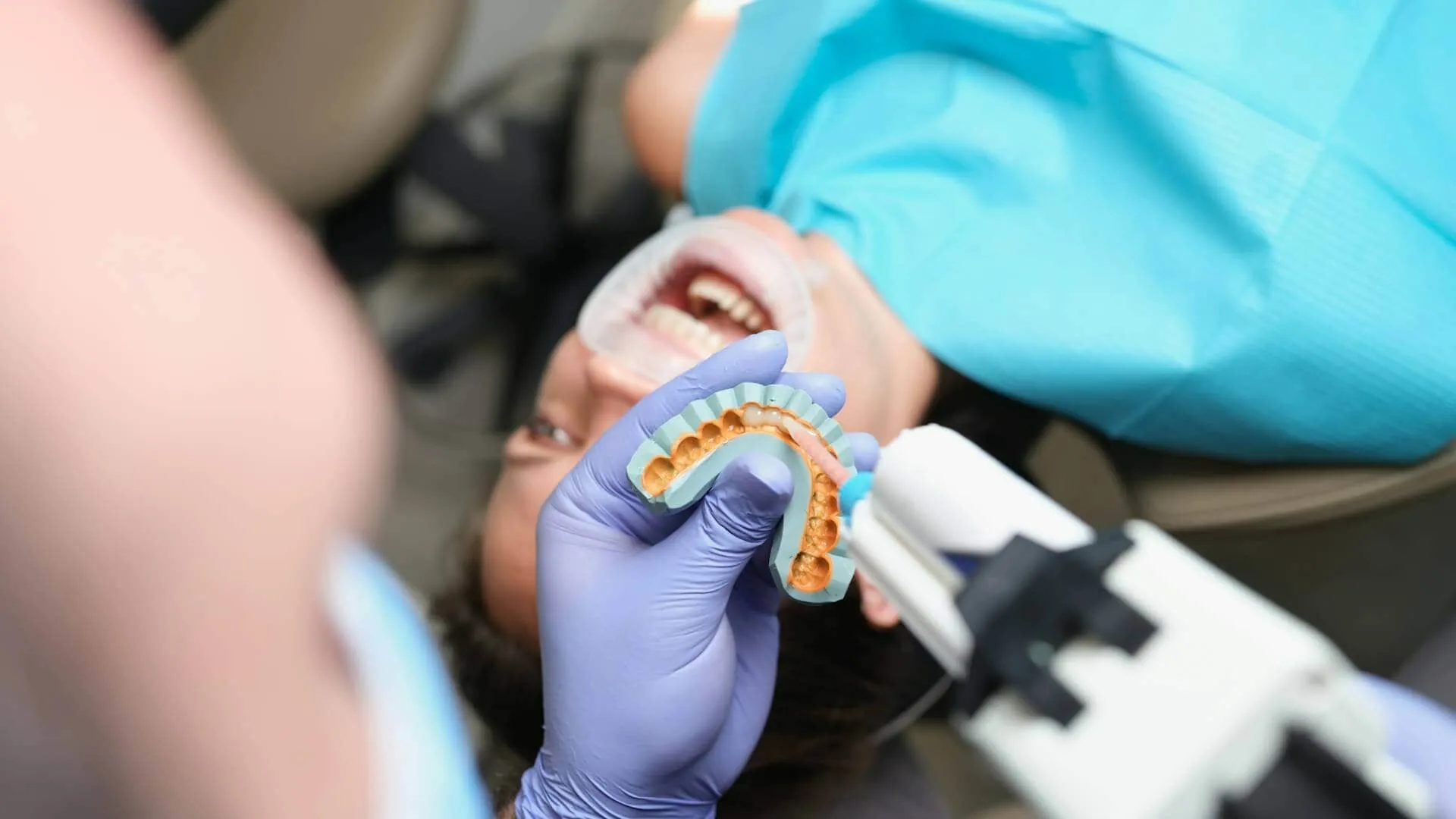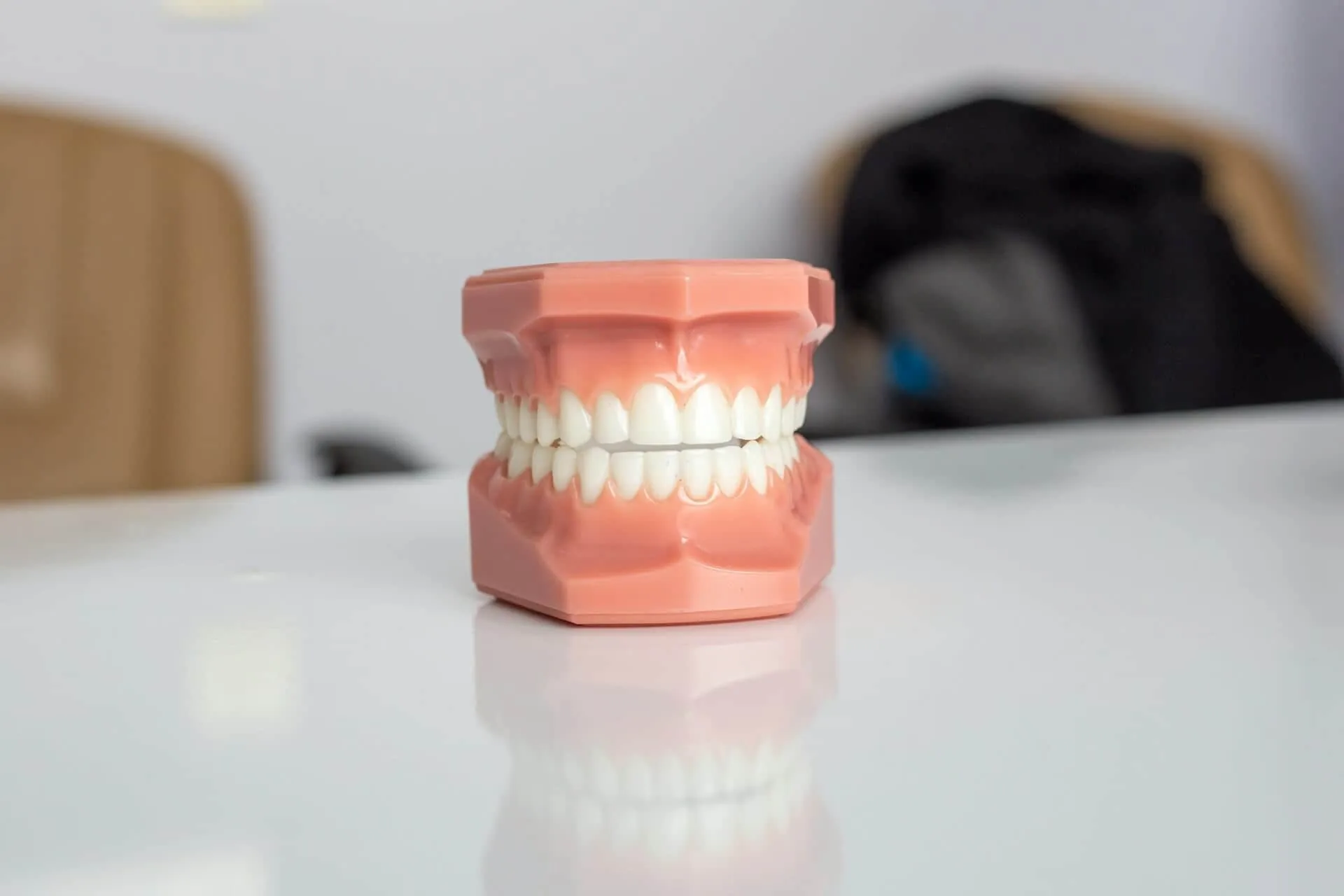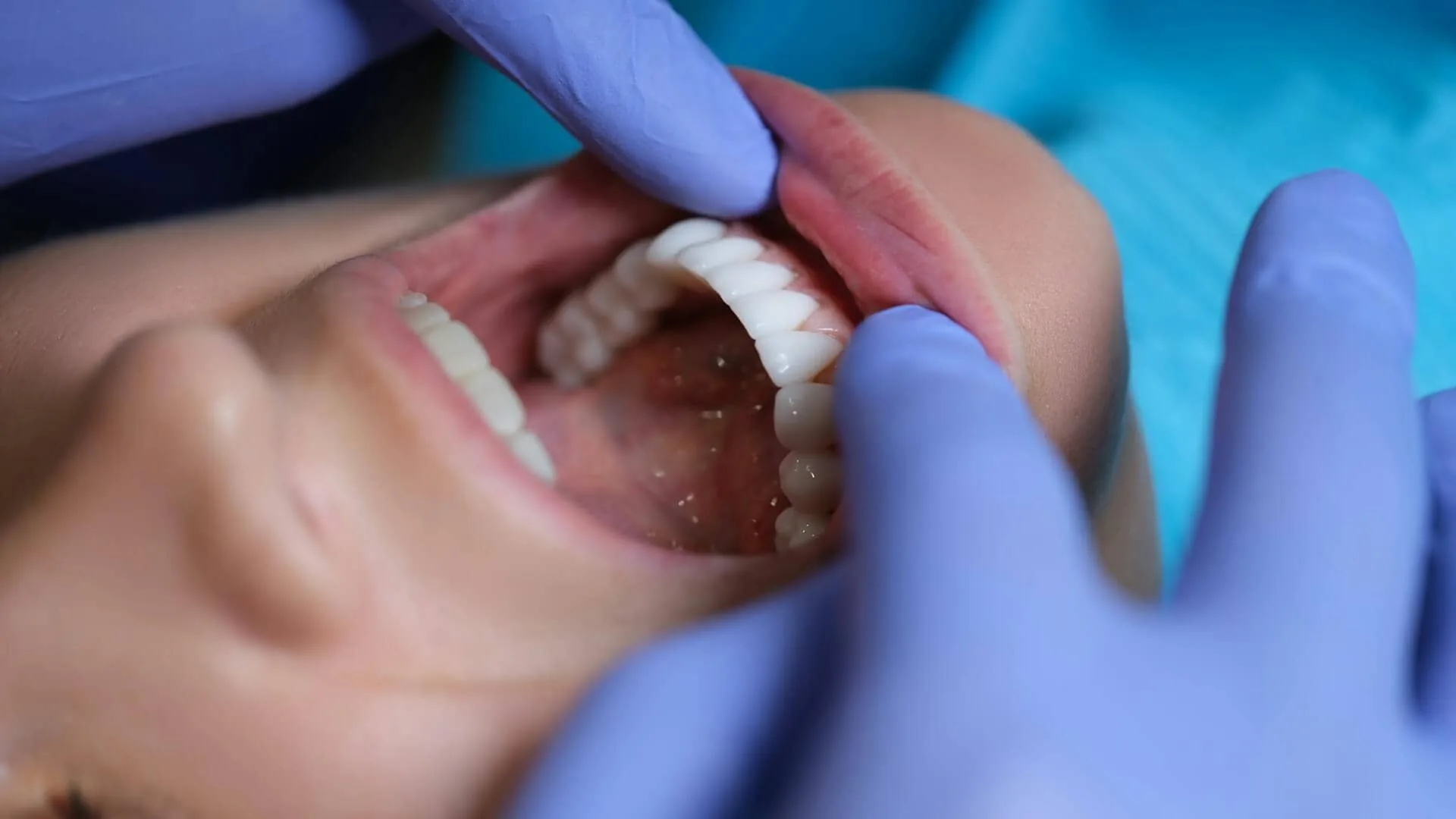
Full-arch dental implants provide a lasting way to restore your smile, confidence, and ability to chew comfortably. These implants anchor firmly to your jawbone, creating a stable foundation that looks and feels like natural teeth.
At Dentist of Anaheim, our experienced team performs advanced implant procedures that restore full function and esthetics. We take pride in delivering precise surgical care and durable restorations that bring strength and stability back to your smile.
This article explains the main benefits of full-arch implants, how they compare to dentures, and what to expect from treatment, recovery, and results. You’ll learn how this solution can rebuild both your smile and your oral health for years to come.
Key Takeaways
Full-arch implants improve function and comfort compared with removable dentures.
They help preserve jawbone and offer a near-natural look and feel.
Treatment details, cost, and recovery affect candidacy and planning.
Key Benefits of Full-Arch Implants
Full-arch implants replace a whole upper or lower set of teeth using a fixed prosthetic anchored by implants. You get stable bite force, a natural look, and protection for the jawbone all at once.
Superior Stability and Comfort
Full arch dental implants anchor a full prosthetic to four or more implants placed in your jaw. This implant-supported denture stays locked in place, so it won’t shift when you speak or eat. You avoid denture adhesives and the sore spots caused by dentures rubbing on gums.
The implants fuse with your bone through osseointegration, creating a secure base similar to natural tooth roots. That stability lets you chew firmer foods like apples and steak without worrying about slippage.
Comfort improves because the prosthesis distributes chewing forces across implants, not just the gum tissue.
Natural Appearance and Confidence
Your new arch is custom-made to match your face, gum line, and remaining teeth color. The prosthetic teeth and gum-colored base blend with your features, giving a natural-looking smile you’ll feel proud to show.
Because the prosthetic is fixed, you won’t worry about it lifting when you laugh or speak. A well-fitted full arch restoration improves lip support and facial shape. That can reduce the sunken look often caused by missing teeth.
Feeling secure in social and professional situations often leads to greater confidence and a willingness to smile more.
Enhanced Chewing and Speaking
Full-arch implants restore much of your original bite strength. With teeth anchored to implants, you can bite and chew a wider range of foods safely. You regain the ability to eat nutritious, high-protein foods that dentures might have made difficult.
Speech improves because the prosthetic stays in a stable position, preventing the clicking or sliding that can distort words. Clearer speech and a steady denture fit reduce self-consciousness during conversations and public speaking.
Long-Term Jawbone Health
Implants transmit chewing forces into your jawbone, which stimulates and preserves bone tissue. This reduces the bone loss that often follows tooth loss. Maintaining bone volume helps keep your facial structure and prevents the gradual collapse that can make dentures fit poorly over time.
Better jawbone health also supports surrounding oral health by keeping implant sites stable and reducing future complications. If you have existing bone loss, your dentist may recommend bone grafting before implants to ensure long-term success and a strong foundation for the full-arch restoration.
Full-Arch Implants vs. Traditional Dentures
You’ll learn how each option fits in your mouth, what daily care looks like, and how each affects your meals, speech, and activities. The next parts compare stability, cleaning routines, and day-to-day freedom so you can see which matches your needs.
Long-Term Success Rates of Full-Arch Implants
According to the Mayo Clinic, research shows that full-arch dental implants deliver consistent, long-term stability with success rates above 95% when properly maintained. Titanium integrates strongly with bone, supporting both fixed and hybrid prosthetics for decades.
Follow-up studies highlight that patients experience durable chewing ability and jawbone preservation, especially when implants are placed with guided 3D technology and maintained through routine cleanings.
Differences in Fit and Function
Full-arch implants anchor to titanium posts placed in your jaw. That creates a fixed foundation that feels much like natural teeth and resists slipping when you eat or talk. You get a stronger bite force, so crunchy fruits, nuts, and steak are easier to chew without fear of movement.
Traditional removable dentures rest on your gums and rely on suction or adhesives. They can shift, create sore spots, or need relining as your gums and bone change shape.
Implant-supported dentures sit on a few implants and can be removable or fixed, offering a middle ground: more stability than removable dentures but often less bite force than a fully fixed implant bridge.
Oral Hygiene and Maintenance
With full-arch implants, you brush and floss much like natural teeth. You must clean around the implant posts and prosthetic teeth daily and see your dentist for regular exams and professional cleanings.
If you smoke or have uncontrolled diabetes, take extra care—those factors can raise the chance of implant complications. Removable dentures require nightly soaking to remove plaque and food.
You should clean them with a denture brush and mild cleanser, and also keep your gums and tongue clean each day. Implant-supported removable dentures need both denture care and oral hygiene around the implant anchors.
Over time, removable dentures usually need relines or replacements every 5–10 years.
Lifestyle Impact
Full-arch implants give you more confidence when eating, speaking, and smiling. You don’t worry about denture adhesive or sudden slipping during conversations. Many people report better nutrition because they can eat a wider variety of foods.
Removable dentures cost less up front and suit people who prefer a non-surgical option. They do limit certain foods and may require you to plan for adhesive, cleaning time, and periodic adjustments.
Implant-supported dentures improve daily life compared with traditional dentures, but you still may remove them for cleaning, depending on the design.
Treatment Options and Procedures
You will learn specific surgical choices, when bone grafts or sinus lifts matter, and the main types of prosthetic arches. Read the steps and options so you can talk clearly with your dentist about implants, scans, and timelines.
All-on-4 and All-on-6 Solutions
All-on-4 and All-on-6 use four or six titanium implant posts to support a full prosthetic arch. Your dentist will choose based on jawbone quality, bite forces, and the need for immediate loading. All-on-4 often lets you get a temporary fixed arch the same day as implant surgery when bone and angulation allow.
That reduces time without teeth but may not suit very weak bones. All-on-6 adds two extra implants for more distribution of chewing forces. This can improve long-term stability if you have good bone or need stronger support for a zirconia arch.
Both methods use abutments to connect the implants to the prosthesis. Your provider will plan implant positions with CT scans and 3D guides to avoid nerves and maximize implant contact with bone.
Implant Placement Techniques
Your implant surgery may use guided or freehand placement. Guided surgery uses CT-based planning and a surgical guide to place implant posts precisely. This reduces surprise adjustments and improves prosthetic fit.
Freehand placement can work when the anatomy is straightforward, and your surgeon has strong experience. Both approaches use titanium implants because they integrate well with bone.
Zygomatic implants are an alternative when the upper jaw lacks bone; these anchor into the cheekbone and let you avoid major grafting in some cases.
During placement, your surgeon may set abutments immediately or stage them later. Healing and osseointegration are tracked with follow-up scans and exams.
Bone Grafting and Sinus Lifts
Bone grafting adds bone or bone-like material when your jaw does not have enough volume for implants. Your dentist will evaluate your bone with CT scans to measure height and density. Grafts can use your own bone, donor bone, or synthetic material.
Healing usually takes months before implants are placed, unless a simultaneous graft-and-implant approach is safe. A sinus lift raises the sinus membrane in the upper jaw to create space for implants when the bone under the sinus is too thin.
Your surgeon will perform this before or during implant placement, depending on how much lift you need. Expect extra consultation, healing time, and cost with bone grafts or sinus lifts. These steps help ensure titanium implants lock into solid bone for better long-term success.
Types of Prosthetic Arches
Prosthetic arches range from removable overdentures to fixed full-arch prostheses. Materials include acrylic, hybrid (acrylic over a metal framework), and monolithic zirconia. Each has trade-offs in cost, durability, and appearance.
A removable overdenture can attach to two implants and uses connectors; it’s less costly but not fixed. Fixed arches on All-on-4 or All-on-6 give a non-removable solution anchored by abutments and implant posts.
Your choice affects maintenance: removable options let you clean under the prosthesis; fixed zirconia arches require careful hygiene but resist wear. Your surgeon will design the final prosthetic arch using digital scans and lab fabrication to match bite, speech, and esthetics.
Cost, Recovery, and Candidacy
Full-arch implants involve a sizable upfront cost, a recovery period that varies by procedure, and specific health and bone requirements. You’ll weigh price against years of use, plan for a healing timeline, and check if your health and jawbone support the implants.
Initial Cost vs. Long-Term Value
Full-arch implant prices commonly range from about $20,000 to $45,000 per arch, depending on the number of implants, type of prosthesis (acrylic, porcelain, or zirconia), and any extra procedures like bone grafting or extractions.
Clinics that use 3D imaging and guided surgery may charge more, but that can improve accuracy. Dentures may cost less upfront, but often need replacement or relining every 5–10 years.
With proper care, implant-supported prostheses can last decades, reducing lifetime expense on repairs and replacements.
Ask your dental surgeon for an itemized estimate. Compare fees for pre-op scans, implant hardware, provisional teeth, final prosthesis, and follow-up visits. Check what your insurance covers and whether the practice offers financing.
Healing Time and Aftercare
Healing time after full-mouth dental implants depends on whether you need bone grafting and how many implants are placed. Expect primary healing in 1–2 weeks for soft tissue, but osseointegration (bone bonding to implants) usually takes 3–6 months.
If you had bone atrophy and received grafts, healing can take longer. Follow these steps after surgery: rest, use prescribed or OTC pain meds, avoid hard or crunchy foods, and rinse with a gentle antimicrobial as directed.
Your temporary teeth let you eat soft foods while implants settle. Don’t smoke; it slows healing and raises implant failure risk. Maintain excellent oral hygiene to prevent infection and peri-implantitis.
Schedule regular check-ups and professional cleanings so your dentist can monitor bone health and check for signs of bruxism that might stress the implants.
Who Is a Good Candidate?
You’re a strong candidate if you have missing teeth or failing teeth in one or both arches, good overall health, and sufficient jawbone to anchor implants. If you have bone atrophy, bone grafting can often rebuild support, though that adds time and cost.
Certain conditions require extra evaluation. Uncontrolled diabetes, heavy smoking, and immune disorders increase complications. Bruxism can overload implants; your dentist may recommend a nightguard or additional implants to spread forces.
Your dental surgeon will take 3D scans and medical history, then discuss options like 4-on-4 or 6-on-arch implants, immediate load vs. delayed placement, and prosthesis materials. Be ready to commit to lifelong care and follow-up to keep your implants healthy.
A Confident, Functional Smile That Lasts
Full-arch dental implants restore stability, comfort, and appearance for those missing most or all teeth. They replace uncertainty with confidence by rebuilding your bite and protecting bone health.
At Dentist of Anaheim, we perform full-arch implant treatments using advanced imaging, precise placement, and durable materials. Every procedure is designed for long-term strength and natural esthetics so patients can enjoy life without dental limitations.
If you’re ready to restore full function and confidence, schedule a consultation to discuss your implant options and start your journey toward a stronger, lasting smile.
Frequently Asked Questions
These answers cover why full-arch implants often replace dentures, how they affect your oral health, what upkeep looks like, how long the prosthetic lasts, eating rules after surgery, and comfort compared with other options.
What makes full-arch implants a preferred choice over traditional dentures?
Full-arch implants attach to 4–6 titanium posts anchored in your jaw. That anchoring stops slipping and gives you a strong bite force for eating. They keep the prosthetic fixed in place, so you don’t need adhesives. You also avoid sore spots and rubbing that removable dentures can cause.
How do full-arch implants enhance oral health compared to bridges or partial dentures?
Implants stimulate your jawbone like natural tooth roots, which helps prevent bone loss. Bridges and partials sit on existing teeth or gums and don’t provide the same bone stimulation. Full-arch implants don’t require trimming healthy neighboring teeth. That preserves more of your natural tooth structure.
Can you explain the maintenance involved with full-arch dental implants?
Brush twice daily and floss or use interdental brushes around the implant posts. Keep routine dental visits every 3–6 months for exams and professional cleaning. Avoid tobacco and follow your dentist’s instructions if they recommend special tools or antiseptic rinses. Report looseness, persistent pain, or signs of infection promptly.
What is the expected longevity of a full-arch implant prosthetic?
Good care and healthy bones help titanium implants last for decades. The prosthetic arch (the teeth piece) typically lasts 10–20 years, depending on the material and wear. Repairs or replacement of the prosthetic may become necessary over time, while implant posts often remain functional long-term.