Healthy daily habits are the key to strong dental implant healing and long-term success. The way you brush, eat, and maintain your oral health directly affects how well your implant fuses with bone and how long it lasts.
At Dentist of Anaheim, we focus on precision implant care and complete follow-up. Our dental professionals perform each procedure with the goal of lasting strength and stability, supported by advanced tools and tailored maintenance plans that protect your results.
In this guide, you’ll learn how daily routines—from gentle cleaning to smart food choices—can strengthen your implant, speed recovery, and preserve comfort for years to come.
Key Takeaways
Clean around implants gently but thoroughly every day.
Avoid smoking and hard or sticky foods that can harm healing.
Keep regular dental check-ups and report any changes right away.
Essential Daily Oral Hygiene for Implant Healing
Keep your care simple and consistent. Use gentle tools, clean between teeth and implants every day, and pick products that won’t scratch or irritate the gum around the implant.
Brushing Techniques and Toothbrush Selection
Use a soft-bristle toothbrush to protect gum tissue and the implant crown. A soft-bristled brush removes plaque without damaging the gum line. Electric toothbrushes with pressure sensors help you brush for two minutes without pressing too hard.
Hold the brush at a 45° angle to the gum line and use short, gentle strokes. Clean all sides of the implant crown and the gum margin. Avoid aggressive scrubbing or firm back-and-forth motion that can inflame tissue.
Replace your brush or brush head every three months or sooner if the bristles fray. Rinse the brush after use and store it upright to air dry. If you grind your teeth, ask your dentist about a nightguard to protect implants.
Flossing and Interdental Cleaning Methods
Floss around implants every day. Use floss designed for implants when possible—waxed dental floss or floss with a floss threader works well for bridges and areas with tight spaces.
Interdental brushes clean larger gaps. Choose small, soft-tipped interdental brushes sized to fit comfortably between your teeth and around the implant. Move them gently in and out without forcing.
A water flosser reduces bacteria and flushes food particles from around the implant. Aim the tip at the gum line and use low-to-medium pressure at first. Combine water flosser use with daily flossing for the best results.
Choosing Non-Abrasive Toothpaste and Implant-Safe Products
Pick a non-abrasive fluoride toothpaste to protect implant surfaces and natural teeth. Look for labels that say “low abrasion” or “for sensitive teeth.” Avoid whitening pastes with gritty particles that can scratch implant crowns.
Use antimicrobial mouthwash if your dentist approves. Choose alcohol-free formulas to avoid drying the mouth, which can raise infection risk. For brushing and flossing tools, select soft-bristle toothbrushes, implant-safe floss, and smooth-tipped interdental brushes.
Check product instructions and ask your dental team about any new items before regular use. Small choices—gentle paste, soft bristles, and proper floss—help healing and long-term implant health.
Lifestyle Choices and Habits That Support Implant Longevity
Small daily choices affect how well your gums, bone, and implant fuse and stay healthy. Focus on the foods you eat, avoid tobacco and heavy drinking, and protect your teeth from grinding to keep bone levels steady and support osseointegration.
Role of Oral Hygiene in Implant Success
According to the American Academy of Periodontology, patients who maintain strict oral hygiene after implant surgery have higher long-term success rates.
Daily plaque removal and soft-tissue care prevent peri-implantitis, a major cause of implant loss. The AAP emphasizes that professional cleanings every 3–6 months are essential to preserve bone levels and gum health.
Dietary Habits and Nutritional Support
Eat foods that help bone density and gum health. Include calcium-rich items like milk, yogurt, and leafy greens, and get vitamin D from fatty fish or fortified milk to help your body absorb calcium. Protein from lean meats, beans, or eggs supports tissue repair after surgery.
Limit sugary snacks and sticky sweets. Sugar feeds bacteria that cause gum inflammation and can harm the tissue around an implant. Drink water instead of soda to keep saliva flowing and neutralize acids.
If you have trouble eating after surgery, choose soft, nutrient-dense foods like mashed potatoes, smoothies with yogurt, and pureed vegetables. Talk with your dentist about supplements if you have known deficiencies that could slow healing.
Avoiding Smoking and Managing Alcohol Intake
Stop smoking before and after implant surgery. Smoking lowers blood flow to gums and bone, which weakens osseointegration and raises the risk of implant failure. Quitting even a few weeks before surgery improves healing.
Limit alcohol, especially right after surgery. Heavy drinking delays tissue repair and can dry your mouth, which harms gum health. Moderate alcohol—no more than one drink per day for women and two for men—is safer, but follow your surgeon’s specific advice during recovery.
If you need help quitting, ask your dental team for resources. Using nicotine replacement or local cessation programs increases your chance of stopping for good and protecting your implant.
Teeth Grinding, Clenching, and Night Guard Use
Grinding and clenching put strong forces on implants and the surrounding bone. Over time, this can loosen the implant or wear the crown. If you notice jaw pain, headaches, or worn teeth, you may be grinding at night.
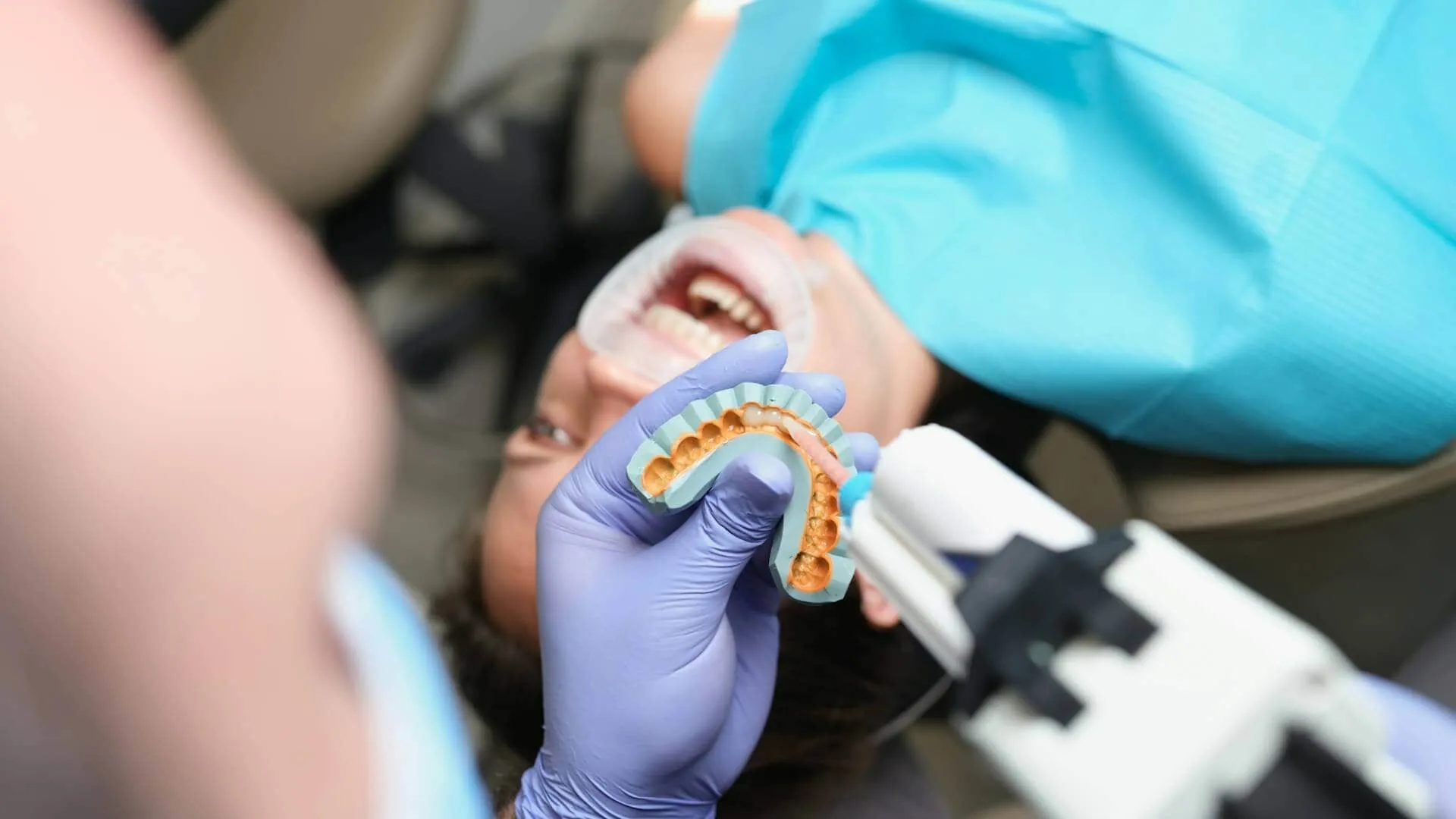
Ask your dentist about a custom night guard. A fitted guard spreads pressure and protects implants, crowns, and natural teeth. Over-the-counter guards can help short-term, but a custom appliance fits better and lasts longer.
Use stress management—sleep hygiene, exercise, and relaxation techniques—to reduce awake clenching. Your dentist may also recommend bite adjustments or follow-up checks to monitor bone levels and gum health around the implant.
Professional Care and At-Home Monitoring for Implants
You need regular professional checks, clear warning signs to watch for at home, and a maintenance plan tailored to your implant type and health. These steps help catch problems early and keep your gums and bone healthy.
Regular Dental Check-Ups and Professional Cleanings
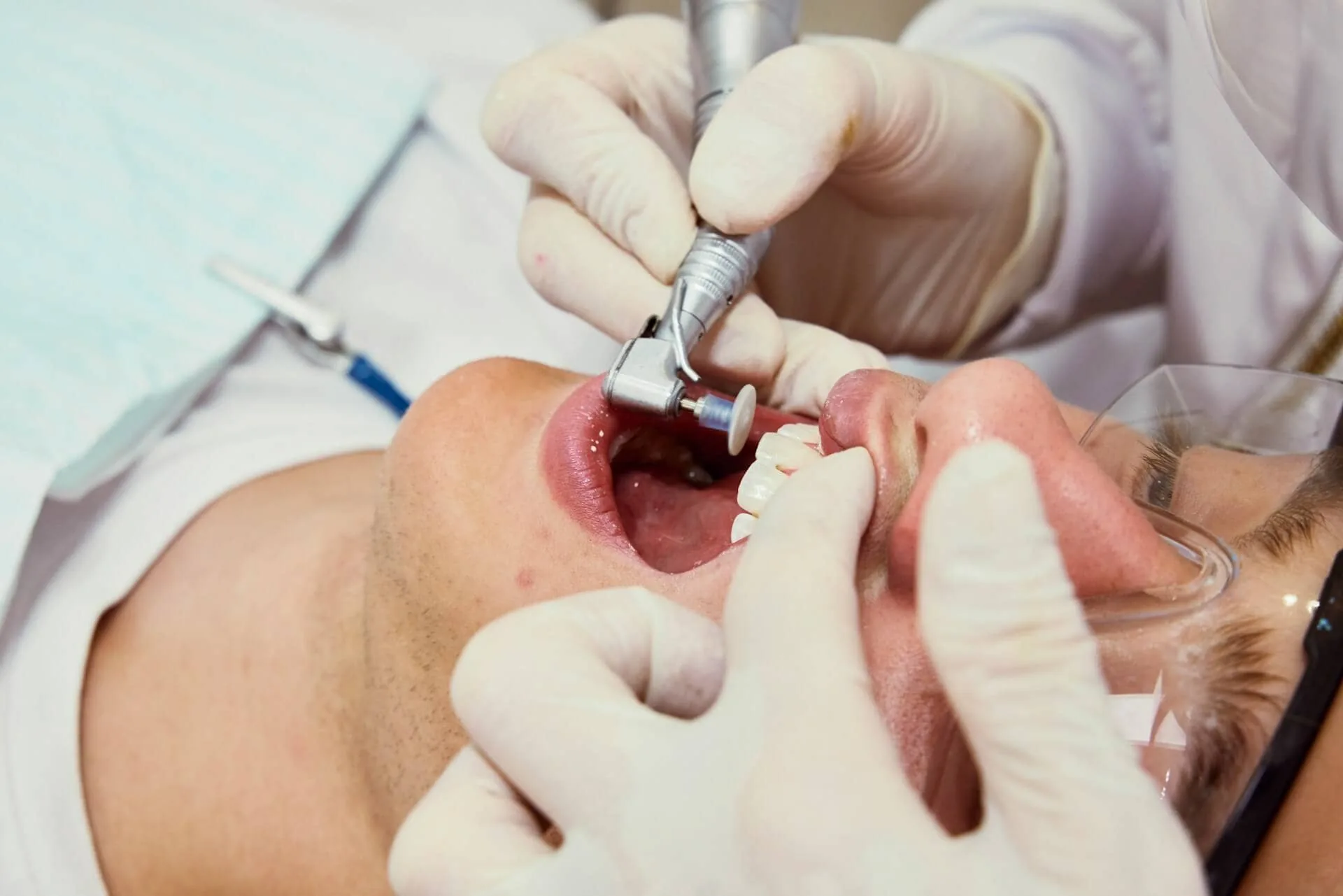
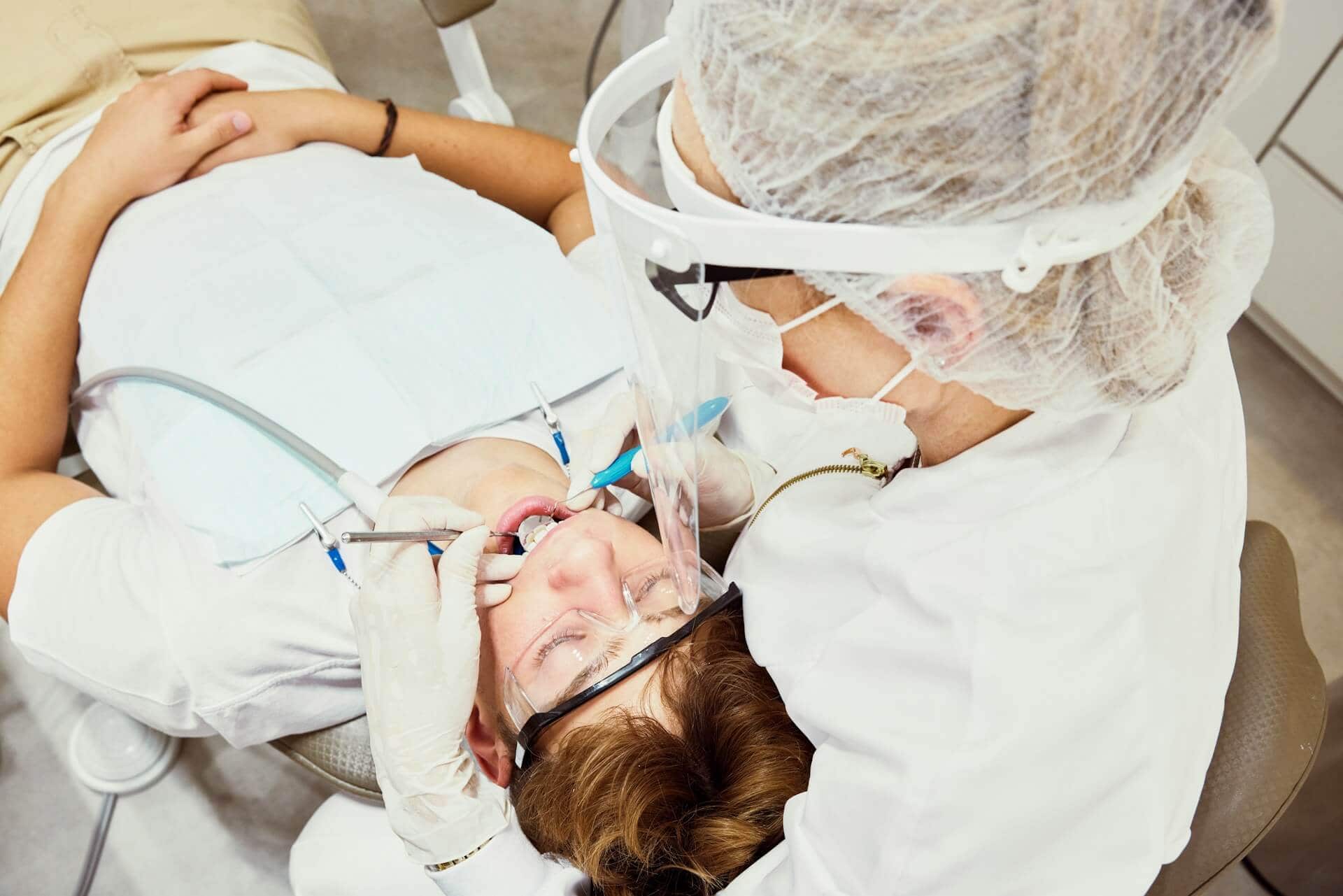
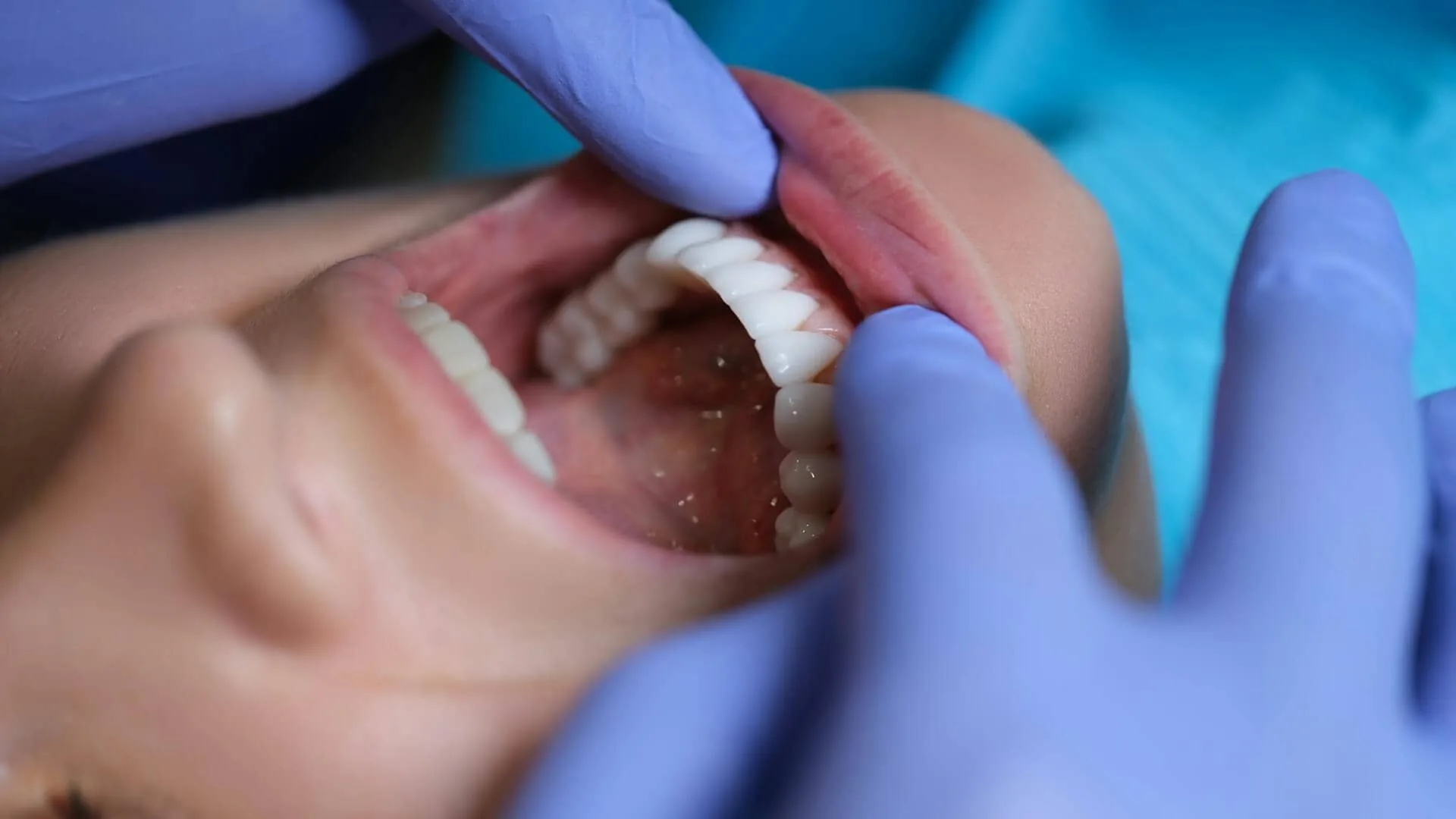
Schedule dental checkups at least every six months, or more often if your dentist or periodontist advises. During visits, the clinician will check implant stability, examine gum pockets, and look for signs of bone loss with X-rays when needed.
Professional cleanings use special instruments that clean implant surfaces without scratching them. Ask for periodontal maintenance if you have a history of gum disease; hygienists trained in implants will remove hardened plaque and check for inflammation.
Bring a list of any changes you notice so your provider can act quickly. If you grind your teeth, mention it. Your dentist can adjust your bite or make a night guard to lower the force on the implant and reduce the risk of crown damage or loosening.
Recognizing Early Signs of Complications
Watch for persistent redness, swelling, or bleeding around the implant. These are common early signs of gum inflammation or peri-implant mucositis that can progress to peri-implantitis if ignored.
Note any new pain, looseness of the crown, pus, or persistent bad taste or breath. Also, pay attention to food trapping that doesn’t resolve with cleaning; that can signal a crown fit or bone issue.
If you see these signs, contact your dentist or periodontist right away. Early treatment often means less invasive care and a better chance to protect the implant from failure.
Custom Maintenance Plans and Role of Your Periodontist
Your periodontist will design a maintenance plan based on implant type, number of implants, past gum disease, and overall health. This plan spells out cleaning frequency, X-ray schedules, and any special tools you should use at home.
Plans often include professional periodontal maintenance every 3–6 months for high-risk patients. They may recommend a water flosser, interdental brushes sized to the spaces, and low-abrasive toothpaste to protect implant surfaces and gum tissue.
Your periodontist also manages surgical or restorative issues. If bone loss or infection appears, they will propose targeted treatment—deep cleaning, antibiotic therapy, or surgical intervention—to preserve the implant and surrounding bone.
Protecting Implant Stability and Preventing Complications
Keep a close eye on your gum health and the bone around the implant. Daily cleaning, avoiding hard forces, and regular dental checks help catch problems early and keep the implant stable.
Monitoring for Peri-Implantitis and Gum Health
Watch for red, swollen, or bleeding gums near the implant. These signs can mean peri-implantitis, an infection that eats at the supporting tissue and can weaken implant stability.
Check the implant area every day when you brush. Use a soft-bristled brush and a water flosser or interdental brush to remove plaque around the abutment and crown. If you notice persistent bleeding, pain, or pus, call your dentist right away.
At dental visits, your provider will measure pocket depths and take X-rays to track bone levels. Bring a list of any changes you see at home. Early treatment—debridement, antibiotics, or deeper cleaning—often stops damage before implant loss occurs.
Preventing Bone Loss and Implant Failure
Protect bone levels by avoiding habits that stress the implant. Don’t chew very hard foods or use teeth to open packages. If you grind your teeth, ask about a night guard to reduce the force on the implant.
Maintain tight daily hygiene to stop plaque buildup that leads to bone loss. Use non-abrasive toothpaste and an interdental brush sized to fit the gap. A water flosser helps flush bacteria from under bridges or around full-arch prostheses.
Keep regular professional maintenance every 3–6 months as advised. Your dentist will remove hardened plaque safely with plastic or titanium instruments and monitor any bone changes on X-ray. Timely care reduces the risk of implant failure and extends the life of your implant.
Build Strong Implant Health One Day at a Time
Daily care determines how well your implant heals and how long it lasts. Gentle cleaning, healthy food choices, and protective habits like using a night guard keep your implant strong and gums healthy.
At Dentist of Anaheim, our team provides precise surgical care and personalized maintenance plans designed for lasting implant stability. Every visit includes advanced imaging and guidance to preserve your oral health.
Reach out today to discuss your implant care routine and keep your smile comfortable, confident, and strong for years ahead.
Frequently Asked Questions
You can speed healing and protect implants by choosing soft, nutrient-rich foods, keeping a strict cleaning routine, avoiding tobacco, and following simple oral-care steps. Small daily choices affect gum health, bone support, and the life of your implant.
What are the best foods to eat for promoting dental implant healing?
Choose soft, high-protein foods like yogurt, eggs, and blended soups after surgery to help tissue repair. Eat calcium-rich foods such as milk, cheese, and greens with vitamin D sources like fortified milk or sunlight for calcium absorption.
Include vitamin C-rich foods like oranges, strawberries, and peppers to aid gum healing. Avoid hard, crunchy, or sticky foods that press on the implant site.
How often should I clean my dental implants to ensure their longevity?
Brush implants twice daily with a soft-bristle toothbrush and fluoride toothpaste for two minutes to remove plaque. Floss daily with implant-specific floss or an interdental brush, and use antimicrobial mouthwash if advised. Visit your dentist or hygienist every six months for cleanings and exams. Seek early check if you notice redness, bleeding, or looseness.
Can certain exercises help with the healing process of dental implants?
Light walking and gentle movement can boost circulation and reduce swelling after surgery. Keep activity low for 48–72 hours and avoid strenuous exercise and heavy lifting for at least a week or as advised by your surgeon.
High heart rate or heavy strain can increase bleeding risk and slow healing. Do jaw exercises only if shown by your dentist or surgeon, as overworking the mouth may irritate the implant site.