Dental crowns are a vital restoration that strengthens and protects weakened or damaged teeth, helping Anaheim families maintain healthy function and confident smiles for years. Knowing what affects a crown’s durability lets you set realistic expectations and care plans.
At Dentist of Anaheim, we tailor crown care guidance to each patient’s needs, focusing on practical habits that enhance long-term performance and comfort. This approach supports lasting oral health for both children and adults with restorations.
In this article, we’ll explain how crown materials differ, what affects how long they last, and how good daily habits and check-ups make a real difference in protecting your family’s smiles.
Understanding Dental Crowns
Dental crowns help keep your teeth strong and looking natural. They come in different materials and cover damaged teeth to protect them from further harm.
Materials Commonly Used in Anaheim
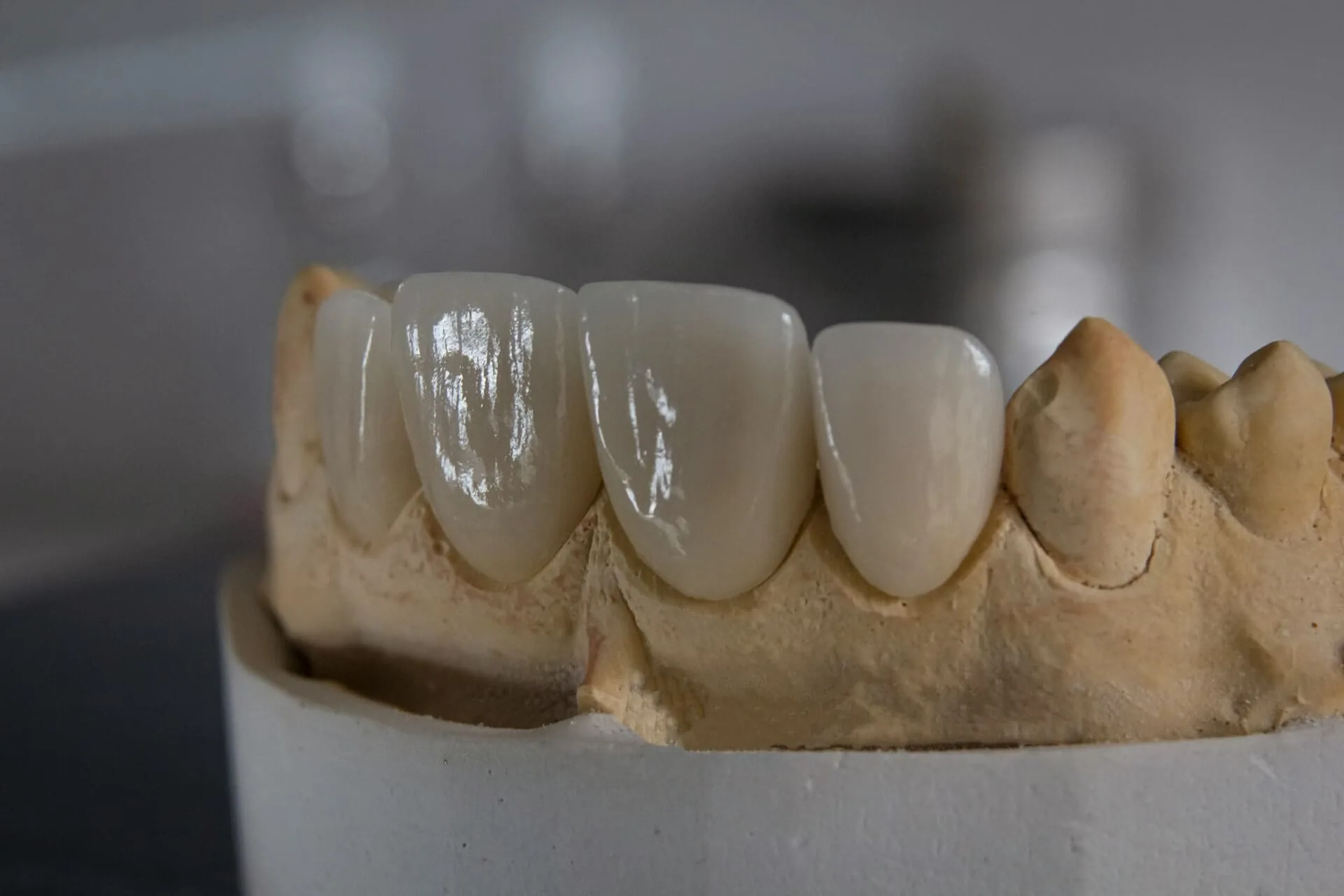
You’ll find several common materials for crowns in Anaheim. Porcelain is popular because it looks like natural teeth and blends in with your smile. Ceramic is similar and works well if you prefer metal-free options.
Metal crowns use gold or other alloys and last a long time, though they look different from natural teeth. Some people choose porcelain-fused-to-metal crowns for both strength and appearance, with a metal base covered by tooth-colored porcelain.
Each material has pros and cons. Your dentist can help you choose what fits your needs based on durability, looks, and cost.
How Crowns Function to Protect Teeth
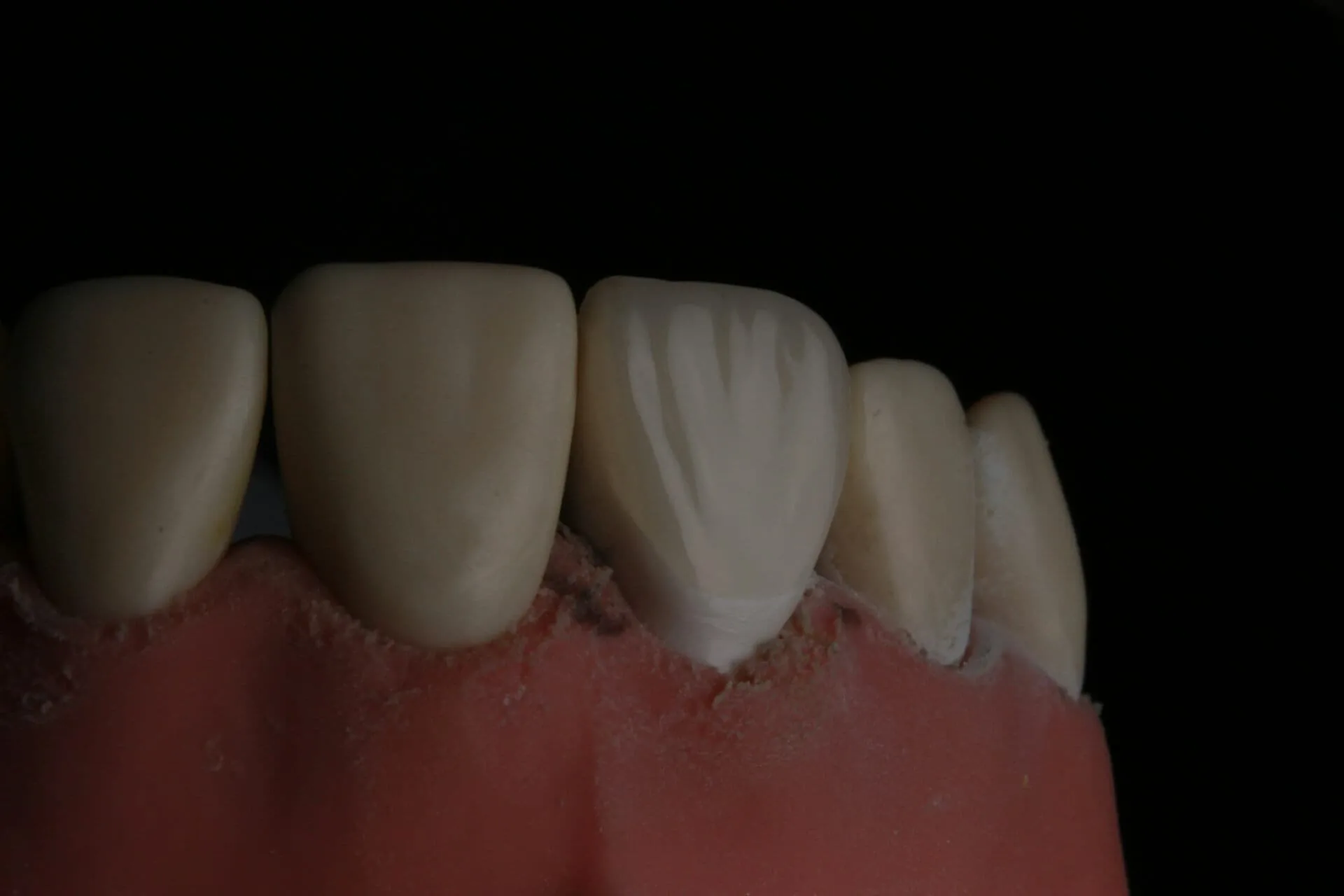
A crown covers your tooth like a cap, protecting weak or broken teeth from more damage. It also keeps fillings in place when your tooth has large cavities.
Crowns spread the force when you chew, helping prevent cracks. They also seal off exposed spots, which keeps your tooth healthy longer.
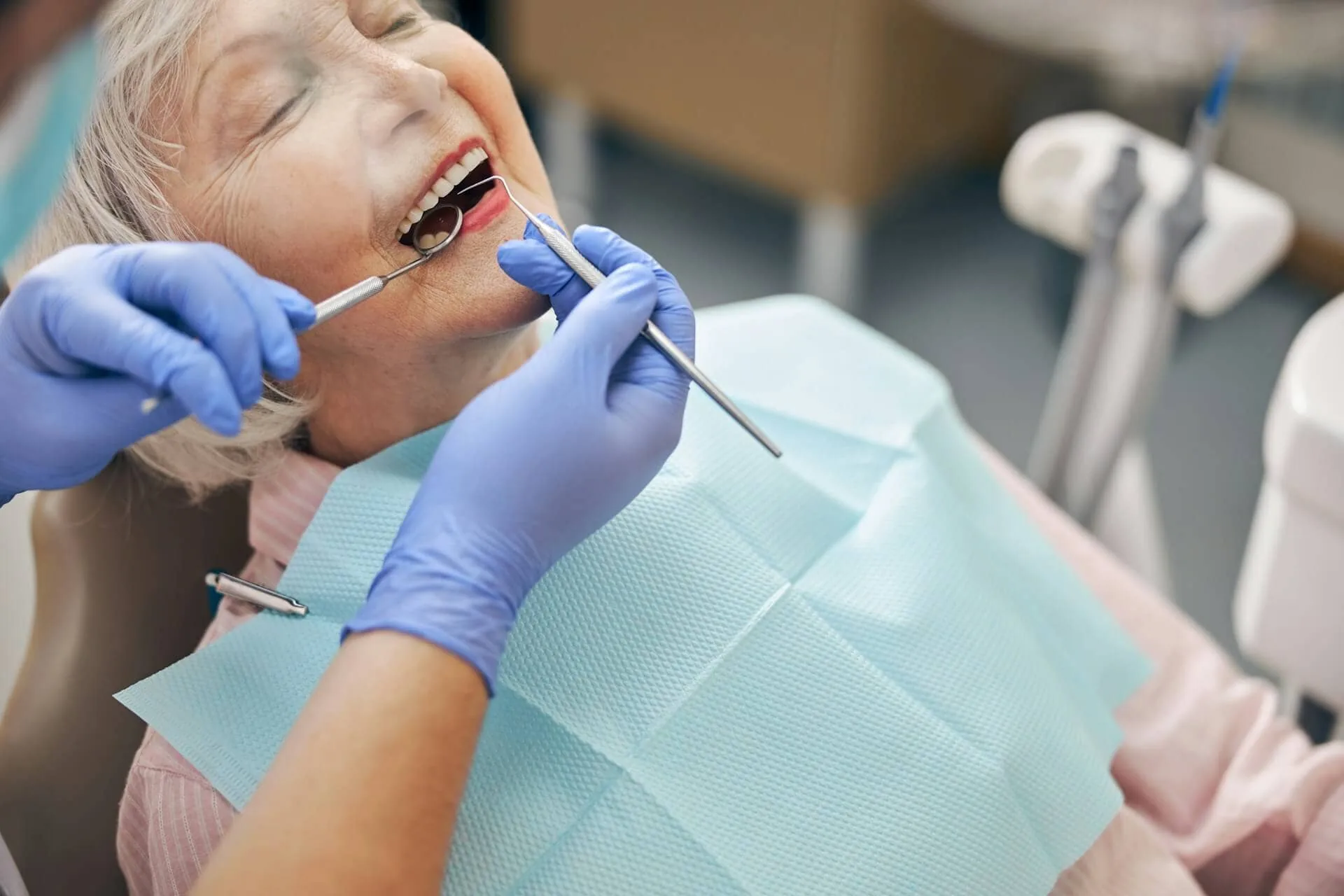
Your dentist shapes the tooth and fits the crown tightly, making it feel natural so you can bite and chew comfortably. Good care helps crowns last many years, especially with regular check-ups.
Key Factors That Impact Crown Durability
Your crown's lifespan depends on your daily habits and how your mouth works. How hard you bite, what you eat and drink, and how well you care for your teeth all play key roles in how long a crown will last.
The Role of Daily Habits and Oral Hygiene
Oral hygiene and lifestyle habits strongly influence how long your crown lasts. The American Dental Association reports that poor brushing and flossing can lead to decay at the crown margin, weakening the bond and shortening longevity.
Simple routines like twice-daily brushing, daily flossing, and six-month dental checkups help prevent gum disease and decay under crowns.
Bite Force and Everyday Use
The strength of your bite affects how much pressure your crown must handle. If you chew hard foods or grind your teeth at night, your crown may wear down faster. Teeth grinding, or bruxism, can cause crowns to crack or loosen over time.
Crowns on molars usually take more force because these teeth chew food the most. Front teeth crowns might last longer since they don’t get as much pressure. Your Anaheim dentist can help you decide if you need a night guard for protection.
Types of Foods and Beverages
Eating very hard or sticky foods can damage crowns faster. Crunchy snacks like ice or hard candy might chip or crack a crown.
Sticky sweets can pull a crown loose if you chew them often. Acidic drinks, such as soda and citrus juices, may weaken the cement holding your crown by eroding enamel and soft tissue around it.
Limit these foods and drinks to protect your crowns. Drinking water after acidic beverages helps rinse your mouth and reduce damage. Being mindful about what you eat helps your crown stay strong for years.
Oral Hygiene Habits
Keeping your mouth clean is crucial for crown durability. Plaque buildup can cause gum disease, which may weaken the area around your crown. If gums recede, the crown’s margin becomes exposed and more likely to develop decay.
Brush gently around the crown twice a day with fluoride toothpaste and floss daily, making sure to clean near the gumline. Regular dental visits help catch issues early and keep your crown in good shape. Good care keeps your crown stable and comfortable longer.
Life Expectancy of Crowns for Anaheim Families
When you get a dental crown, its lifespan depends on the material used and how well you take care of it. Knowing how long each type usually lasts and when to replace it helps you keep your smile healthy and strong.
Average Longevity by Crown Material
Crowns come in different materials, and each has its own life expectancy.
Porcelain crowns typically last 10 to 15 years. They look natural and work well for front teeth.
Metal crowns, like gold or other alloys, can last 15 to 20 years or more. They are very strong but less popular for visible teeth.
Porcelain-fused-to-metal crowns combine strength and appearance, usually lasting 10 to 15 years.
Zirconia crowns are newer and very durable, lasting around 15 years or longer.
Your daily habits, like brushing and avoiding hard foods, also affect how long your crown lasts. Regular checkups help spot issues early.
Typical Signs a Crown Needs Replacement
You might not realize when a crown needs to be replaced until you notice changes. Watch for these signs:
Pain or sensitivity around the tooth, especially when biting.
A loose or wobbly crown.
Visible cracks, chips, or wear on the crown’s surface.
Dark lines near the gum where the crown meets your tooth.
Swelling or redness in the gums.
If you notice any of these, contact your Anaheim dentist promptly. They will check your crown and suggest the best step to keep your smile healthy.
Caring for Your Crown at Home
Taking care of your dental crown means keeping it clean and avoiding damage. Simple daily habits will help your crown last longer and stay comfortable. Pay attention to how you brush and floss, and choose foods that protect your crown.
Best Brushing and Flossing Practices
Brush your crown twice a day using a soft-bristled toothbrush. Use a fluoride toothpaste to fight decay around the crown edges. Avoid hard or abrasive toothpaste, which can wear down the crown material.
Floss carefully around your crown. Slide the floss gently between the teeth without snapping it down. This prevents loosening the crown or harming the gum. You can use floss threaders or interdental brushes to reach tight spots safely.
Rinsing with an antibacterial mouthwash after brushing helps reduce plaque buildup near the crown. Regular dental checkups ensure your crown stays in good shape and any issues are caught early.
Foods to Enjoy and Foods to Avoid
Eat soft, non-sticky foods like yogurt, cooked vegetables, and soft fruits to avoid putting too much pressure on your crown. Chewing these foods keeps your bite balanced without risking damage.
Avoid very hard foods such as ice, nuts, and hard candy. These can crack or chip your crown. Sticky foods like caramel or taffy may pull at the edges, loosening your crown over time.
Limit sugary or acidic drinks and snacks, which can cause decay where your crown meets the tooth. Drinking water after meals helps wash away particles and keeps your mouth clean. Taking care of your crown daily supports its strength and comfort.
When to See Your Anaheim Dentist About Crown Concerns
If your dental crown feels off or causes discomfort, know what to watch for and when to call your dentist. Some issues can be fixed quickly to protect your tooth and keep your smile healthy.
What to Do if Your Crown Feels Loose
A loose crown lets bacteria get underneath and cause decay. If you notice movement when you bite or touch it, call your dentist right away. Avoid chewing hard foods on that side to prevent the crown from coming off completely.
Your dentist will check if the crown needs tightening or replacement. Waiting too long can cause bigger problems, like infection or damage to the tooth under the crown. Dentists use modern tools to evaluate and fix crowns safely and quickly.
Handling Sensitivity or Pain
Pain around a crown isn’t normal and may signal a problem. You might feel sensitivity to hot, cold, or pressure. If the pain lasts more than a day or gets worse, schedule a visit. A cracked crown, tooth decay beneath the crown, or gum irritation could be the cause.
Your dentist will find the problem and suggest treatment. Don’t ignore sharp pain or swelling near the crown. Early care can prevent bigger issues and help your crown last longer.
Keeping Crowns Strong For Years
Understanding what affects crown durability empowers Anaheim families to care for restorations confidently and proactively. With appropriate material choice and daily habits, most crowns perform well for a decade or more.
At Dentist of Anaheim, we help each patient balance durability and aesthetics with personalized advice that reflects their lifestyle and goals. Our focus is on stability, comfort, and long-lasting oral health outcomes.
Whether you’re planning a new crown or maintaining existing restorations, visit our offices to talk with our team of experts. Learn how simple habits can protect your family’s smiles for years to come.
Frequently Asked Questions
Dental crowns last many years with the right care. Knowing how to protect your crown and spot problems early helps your family keep strong, healthy smiles.
How long should a dental crown typically last for families in Anaheim?
Most dental crowns last between 10 and 15 years. With good care, some can last 20 years or more.
What can families do to ensure their dental crowns last longer?
Brush twice a day and floss daily to keep crowns clean. Avoid chewing hard foods like ice or popcorn kernels that can crack crowns.
What materials are recommended for long-lasting crowns for children and adults?
Porcelain and metal crowns are common. Porcelain looks natural, while metal crowns last longer, especially on back teeth.
Are there specific signs that indicate a crown needs to be replaced?
Look for pain, sensitivity, cracks, or if the crown feels loose. These can mean it's time to see your Anaheim dentist.
How often should dental crowns be checked for families to maintain oral health?
Visit your dentist every six months for regular exams. They will check your crowns to make sure they are still in good shape.
What lifestyle habits can contribute to extending the durability of dental crowns?
Avoid grinding your teeth and chewing hard objects. Eat a balanced diet and maintain good oral hygiene to protect your crowns.