Dental emergencies can happen suddenly and often come with pain, swelling, or bleeding that should not be ignored. Knowing the symptoms that mean you should call an emergency dentist soon helps protect your oral health and reduce the risk of serious complications. Acting quickly can make treatment simpler and recovery smoother.
At Dentist of Anaheim, emergency dental care focuses on stabilizing pain, controlling infection, and protecting damaged teeth as quickly as possible. Treatment is designed to address urgent symptoms while keeping patients comfortable and informed during stressful situations. Prompt care helps limit further damage and supports better outcomes.
This article explains common emergency dental symptoms, injuries, and infections that require fast attention. You will also learn how to act before reaching care and when medical treatment is needed first. These steps help you respond calmly and effectively during a dental emergency.
Recognizing Dental Emergencies
Knowing when something is wrong with your teeth or mouth helps you get quick care. Some problems need urgent attention to avoid bigger issues, pain, or damage. Here are signs to watch for that mean you should call an emergency dentist soon.
Severe Tooth Pain
If you have sharp, constant pain in a tooth, don't wait to get help. Severe tooth pain can mean a deep cavity, an infection, or damage that needs quick treatment. You might feel pain when you bite down, or the pain might be so bad that it keeps you from sleeping or eating.
Pain that spreads to your jaw, ear, or head can also be a sign of an infection. Infections can spread and cause more serious health problems if not treated quickly. Call your emergency dentist if the pain is intense or sudden.
Uncontrolled Bleeding
Bleeding from your mouth that doesn’t stop after 15 minutes of gentle pressure needs urgent care. This can happen after an injury or suddenly if you have gum disease. Heavy bleeding might come from a loose tooth, a bite injury, or a damaged blood vessel.
Keep the area clean, but avoid using strong mouth rinses or poking the bleeding spot. If you notice bleeding you can’t control, call your emergency dentist immediately. Getting quick treatment helps prevent infection and speeds healing.
Swelling in the Mouth or Face
Swelling around your teeth, gums, or face is a warning sign. It often means infection, like an abscessed tooth or severe gum disease. The swelling might feel tender or hot to the touch.
Facial swelling can make it hard to open your mouth, talk, or swallow. This kind of swelling requires prompt attention because infections can worsen and affect other parts of your body. If you see swelling that grows quickly or doesn’t go down, call your emergency dentist at once.
Signs of Dental Infections Requiring Immediate Care
If you notice severe pain, swelling, or unusual symptoms in your mouth, it could mean you have a dental infection that needs quick treatment. Some signs might include visible pus, fever, or trouble breathing, which can get worse fast and affect your overall health.
How Oral Infections Can Affect Overall Health
The Centers for Disease Control and Prevention explains that oral infections can spread beyond the mouth if left untreated. Bacteria from dental abscesses may enter the bloodstream and affect other areas of the body.
The CDC emphasizes that swelling, fever, and difficulty swallowing are signs that infection may be advancing. Early dental treatment helps prevent systemic complications and supports faster recovery.
Abscesses and Pus
An abscess is a painful collection of pus caused by a bacterial infection. You might see a swollen bump near a tooth or on your gums. This bump can be red, tender, and filled with pus, which may cause a bad taste in your mouth.
Pain from an abscess often feels sharp and steady. It may also cause your face or jaw to swell. If you notice these symptoms, call your emergency dentist right away. Ignoring an abscess can lead to serious complications since the infection can spread.
Fever Accompanied by Oral Symptoms
A fever along with oral pain or swelling is a clear warning sign. When your body temperature rises, it means your immune system is fighting an infection. If you have a fever with painful gums, swelling, or bad breath, you need to see a dentist immediately.
This combination suggests the infection is no longer just in your mouth. It can spread to other parts of your body if not treated fast. Taking action quickly helps avoid more serious problems.
Difficulty Swallowing or Breathing
If swelling from a dental infection makes it hard to swallow or breathe, seek emergency care at once. This is a critical situation because the infection can block your airway.
You might feel tightness in your throat or find it painful to swallow saliva or food. Even mild trouble breathing should be treated as an urgent matter.
Trauma and Injuries That Need Emergency Attention
If you hurt your mouth in an accident, some injuries need quick care. These include teeth that are knocked out or loose, broken teeth, and cuts inside your mouth. Acting fast can save your smile and prevent more pain.
Knocked-Out or Loose Teeth
If a tooth is completely knocked out, it is an emergency. Try to find the tooth and handle it only by the crown, not the root. Rinse it gently with water if it’s dirty. Get to the dentist as soon as possible, ideally within 30 minutes, for the best chance to save the tooth.
Loose teeth can be a sign of serious injury, too. If your tooth feels wobbly, it could mean damage to the ligaments or bone holding it. Avoid chewing on that side and call your emergency dentist right away to prevent further damage.
Broken or Cracked Teeth
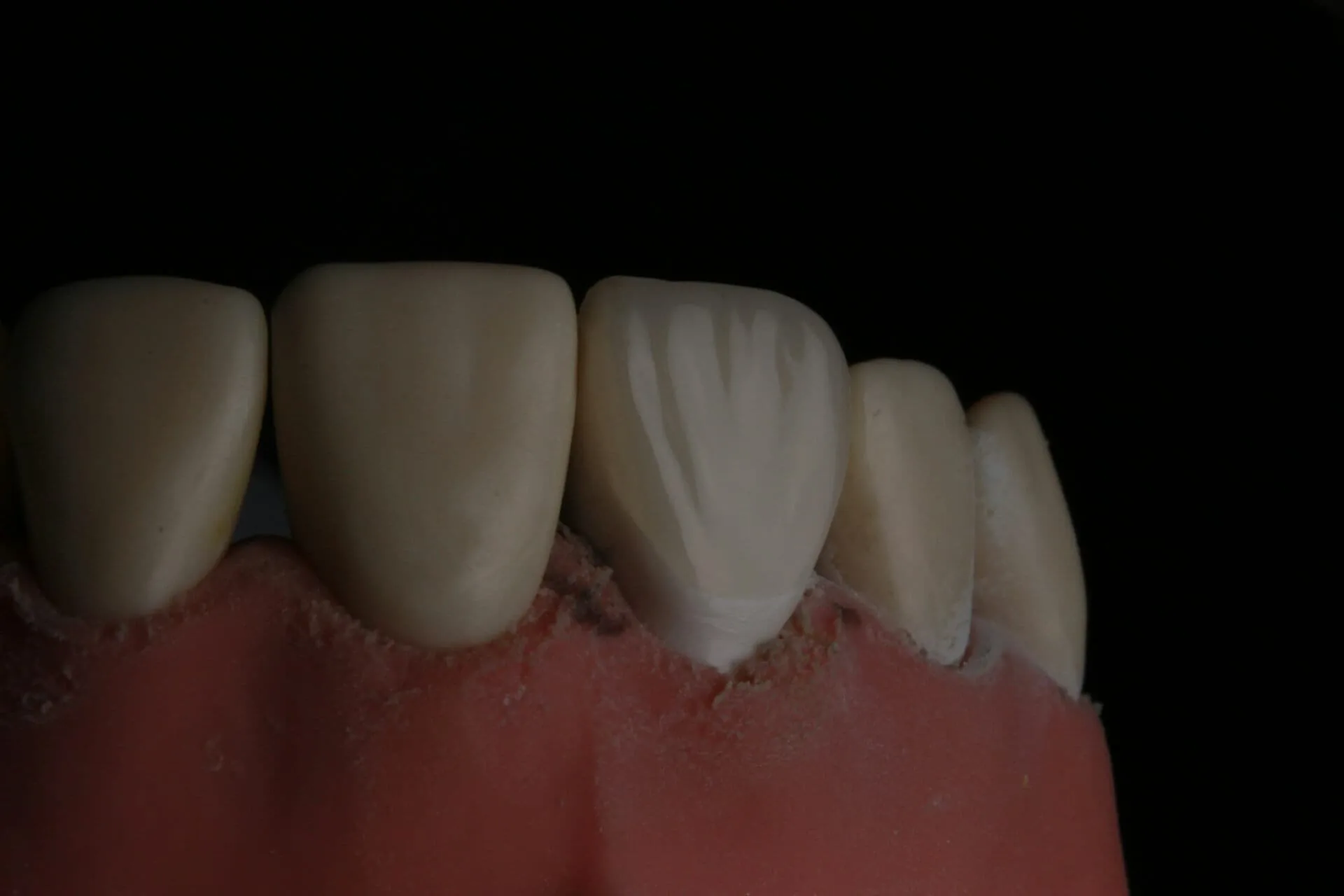
A broken or cracked tooth can expose the inner part of the tooth, causing pain or sensitivity. If a piece breaks off, keep it and bring it with you. This helps your dentist figure out the best way to repair it.
Small cracks might seem minor, but bigger breaks can lead to infection or tooth loss. You may notice sharp edges that cut your tongue or cheek.
Oral Tissue Injuries
Cuts or tears on your lips, gums, or inside your mouth can bleed a lot and be painful. If bleeding does not stop after 10 minutes of gentle pressure, you should see an emergency dentist. Deep cuts may need stitches to heal well.
Avoid touching or probing injuries with your tongue or fingers. Keeping the area clean is important, but don’t use harsh mouthwashes. The dentist can evaluate tissue damage and provide treatment to prevent infection and speed healing.
Unusual Sensations and Other Warning Symptoms
Some symptoms might feel strange or different from common tooth pain. Paying attention to numbness, weird tastes, or jaw stiffness can help you know when to get emergency care.
Persistent Numbness
If you notice numbness in your lips, tongue, or face that doesn’t go away, act fast. This could mean nerve damage or infection, which needs an emergency dentist’s attention. Numbness may also follow dental procedures, but if it lasts more than a few hours or gets worse, call right away.
Ignoring persistent numbness can cause bigger problems. You might lose feeling permanently, or an infection could spread.
Unexplained Taste or Odor
Sometimes a strange taste or smell in your mouth signals an infection or abscess. It might feel bitter, metallic, or foul without any clear reason. This symptom often appears with swelling, but it can happen before visible signs show up.
If the bad taste or smell lasts a day or two, don’t wait. You could have a hidden dental infection that needs quick treatment. Early care can prevent pain and avoid more serious health issues.
Jaw Locking or Severe Stiffness
If your jaw locks or you cannot open your mouth fully, this is a red flag. Severe stiffness, pain when chewing, or difficulty moving your jaw also needs prompt dental attention. These signs might come from an infection or joint problem that can worsen without early care.
Jaw stiffness can interrupt your daily activities, making it hard to eat or speak. Emergency dentists can help reduce swelling, ease pain, and treat the root cause with gentle, up-to-date methods.
What to Do Before Visiting an Emergency Dentist
Knowing how to care for your dental issue before you get professional help can reduce pain and prevent further damage. It also helps to have important details ready and to recognize serious signs that need faster medical care.
Self-Care Tips
If you have a toothache or injury, rinse your mouth gently with warm water. Avoid using very hot or very cold drinks until you see the dentist. You can take over-the-counter pain relievers like ibuprofen to ease discomfort, but do not place aspirin directly on your gums or tooth.
For a knocked-out tooth, hold it by the crown (top part) and, if possible, put it back in place or keep it moist in milk. Avoid chewing on the affected side and stay away from hard foods to prevent making the problem worse. Applying a cold compress to your cheek can help reduce swelling.
Keep your head elevated to limit bleeding, and avoid smoking or drinking alcohol, as these can slow healing. These simple steps can protect your oral health before you reach your emergency dentist.
Preparing Essential Information
Before your emergency dental visit, gather important information to help your dentist provide fast care. This includes your medical history, any current medications, and details about allergies, especially to medications or anesthesia.
Write down when your symptoms started and how they have changed. Note any home treatments you have tried and if they helped. If you have dental records or recent X-rays, bring them along to save time.
Having your insurance information and ID ready will also help make your visit smoother. If you speak Spanish or prefer another language, check if the office can assist you.
When to Seek Medical Attention Immediately
Some symptoms mean you should visit the emergency room before the dentist. If you have heavy bleeding that won’t stop, trouble breathing or swallowing, swelling that spreads to your neck or face, or a fever with severe pain, get medical help right away.
These signs may indicate an infection or serious injury that needs urgent care. Do not wait or try home remedies in these cases.
Responding Quickly to Dental Emergencies
Recognizing emergency dental symptoms early helps protect your teeth, gums, and overall health. Severe pain, swelling, bleeding, or trauma should always be taken seriously. Acting promptly can reduce complications and discomfort.
At Dentist of Anaheim, emergency dental treatment focuses on rapid assessment, pain control, and protecting oral structures. Care is delivered with attention to comfort and clear next steps during urgent situations.
If you experience sudden dental symptoms or injuries, seeking emergency care as soon as possible is important. Prompt action helps preserve your smile and supports safer, more effective treatment.
Frequently Asked Questions
Knowing what to do when a dental problem happens can help you avoid pain and extra damage. Some situations need quick action, while others can wait until morning. The answers below will help you handle different emergencies clearly and calmly.
What should I do if I experience severe tooth pain at night?
If you have sudden, sharp tooth pain at night, rinse your mouth gently with warm water. Avoid putting aspirin or painkillers directly on the tooth or gums. Use over-the-counter pain medicine and call your emergency dentist as soon as possible.
How do I handle a broken tooth during the weekend?
Save any broken pieces and rinse your mouth with warm water. Apply a cold compress to reduce swelling. Contact an emergency dental clinic or your dentist's after-hours service right away.
Are there specific signs that indicate I need immediate dental attention?
Yes. If you have uncontrollable bleeding, swelling that affects breathing or swallowing, severe pain, or a knocked-out tooth, seek emergency care immediately.
What actions should I take if I lose a filling or crown and can't reach my dentist?
Rinse your mouth with warm water to keep the tooth clean. Avoid chewing on that side until you see a dentist. Use a dental repair kit from a pharmacy or dental adhesive as a temporary fix if you can't see your dentist soon.
Can a hospital provide dental care in case of a severe toothache?
Hospitals can help if you have severe pain with signs of infection, such as fever or swelling, especially if it affects your breathing. They usually refer you to an emergency dentist for dental treatment.
When is it necessary to seek out a 24-hour emergency dental clinic?
You should visit a 24-hour emergency dental clinic if you experience sudden, severe tooth pain, a lost filling or crown causing discomfort, broken or knocked-out teeth, swelling that gets worse, or bleeding that won’t stop.