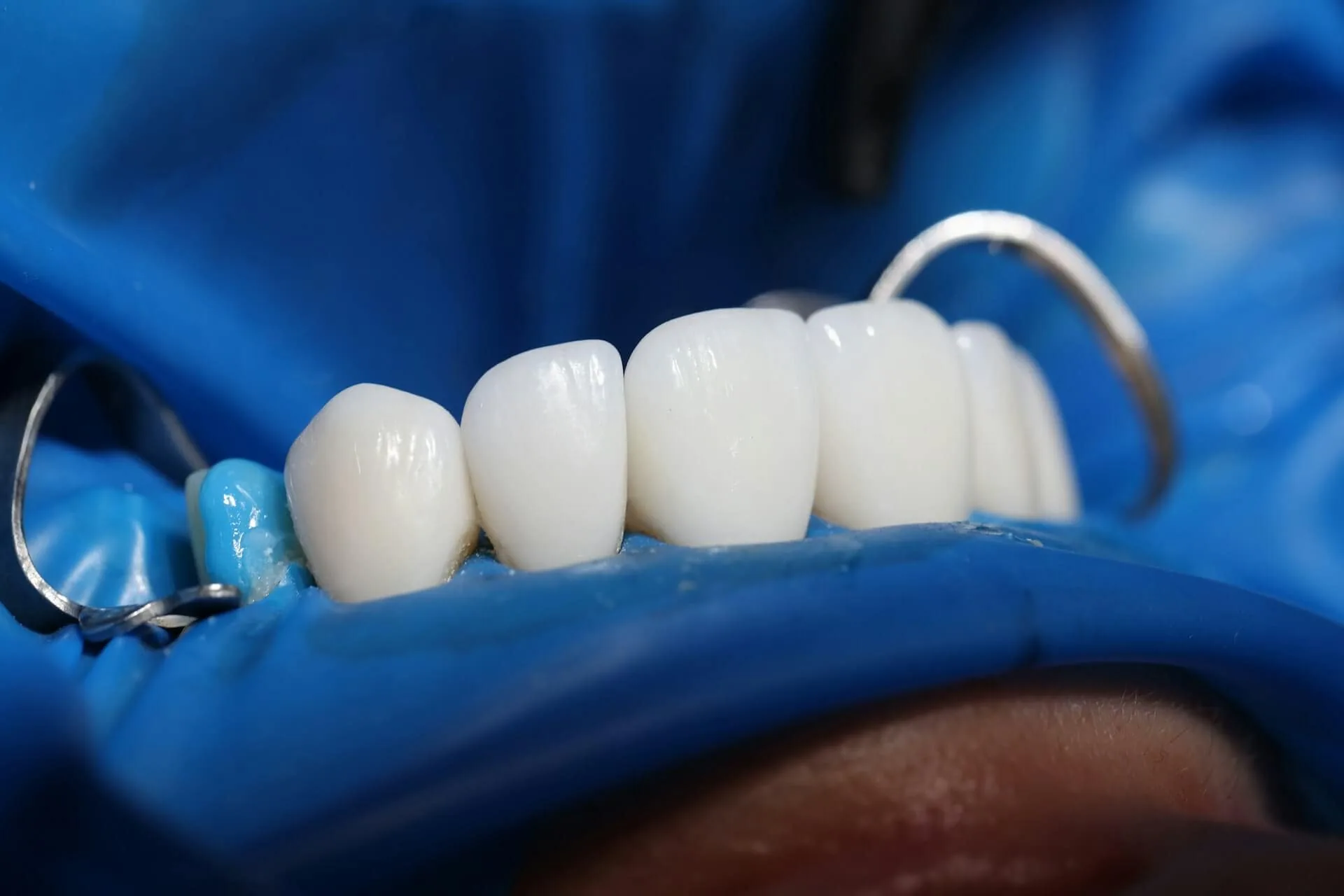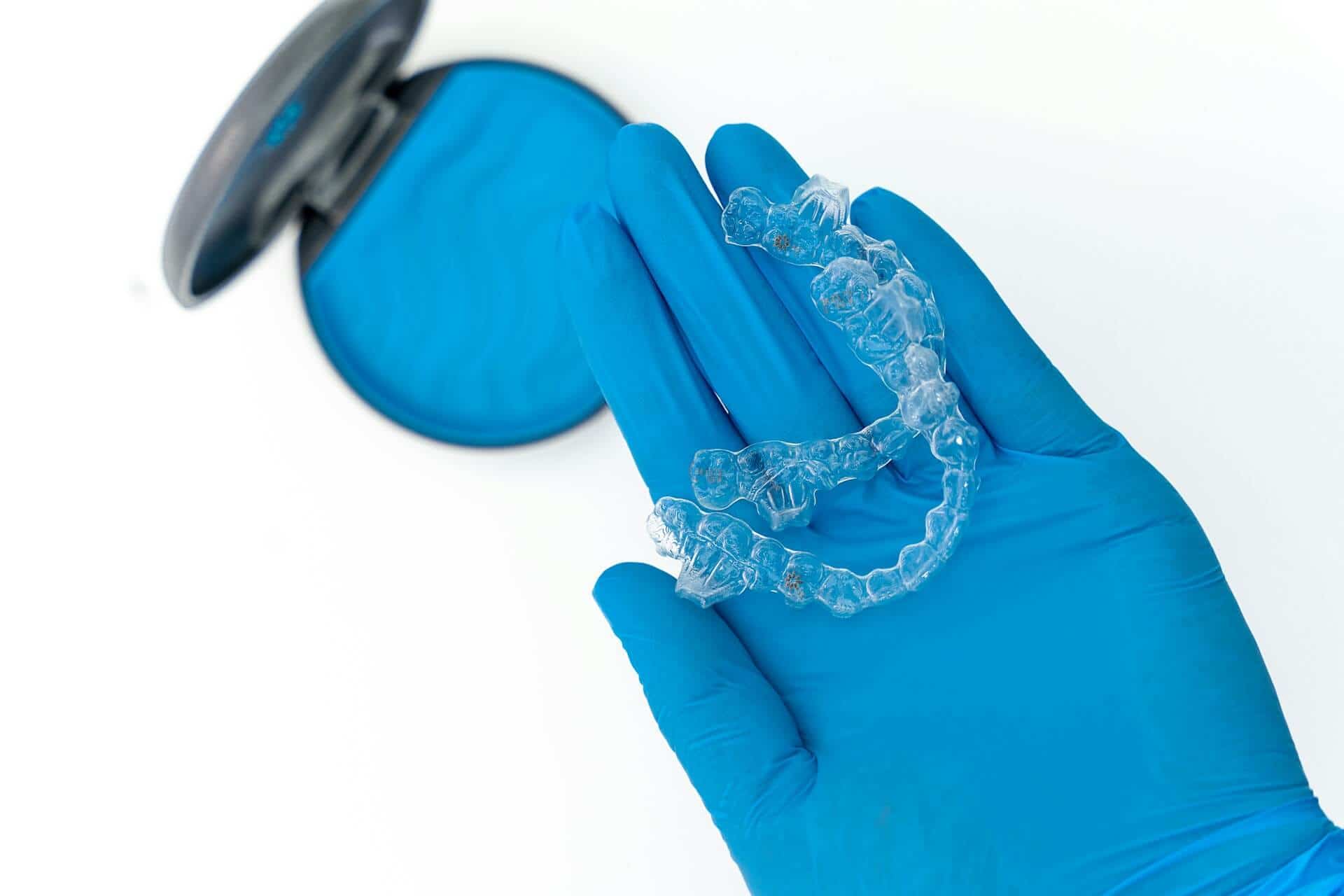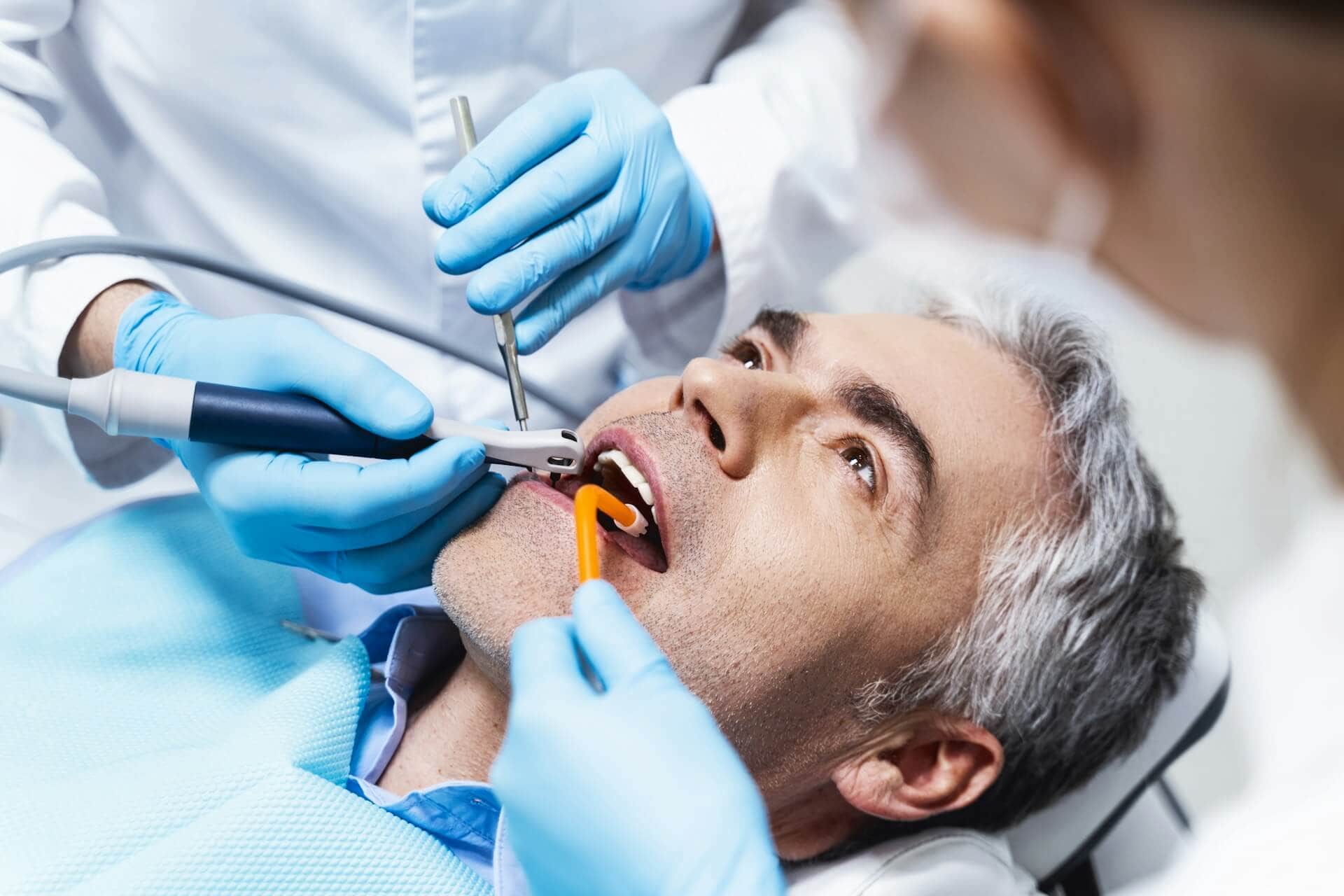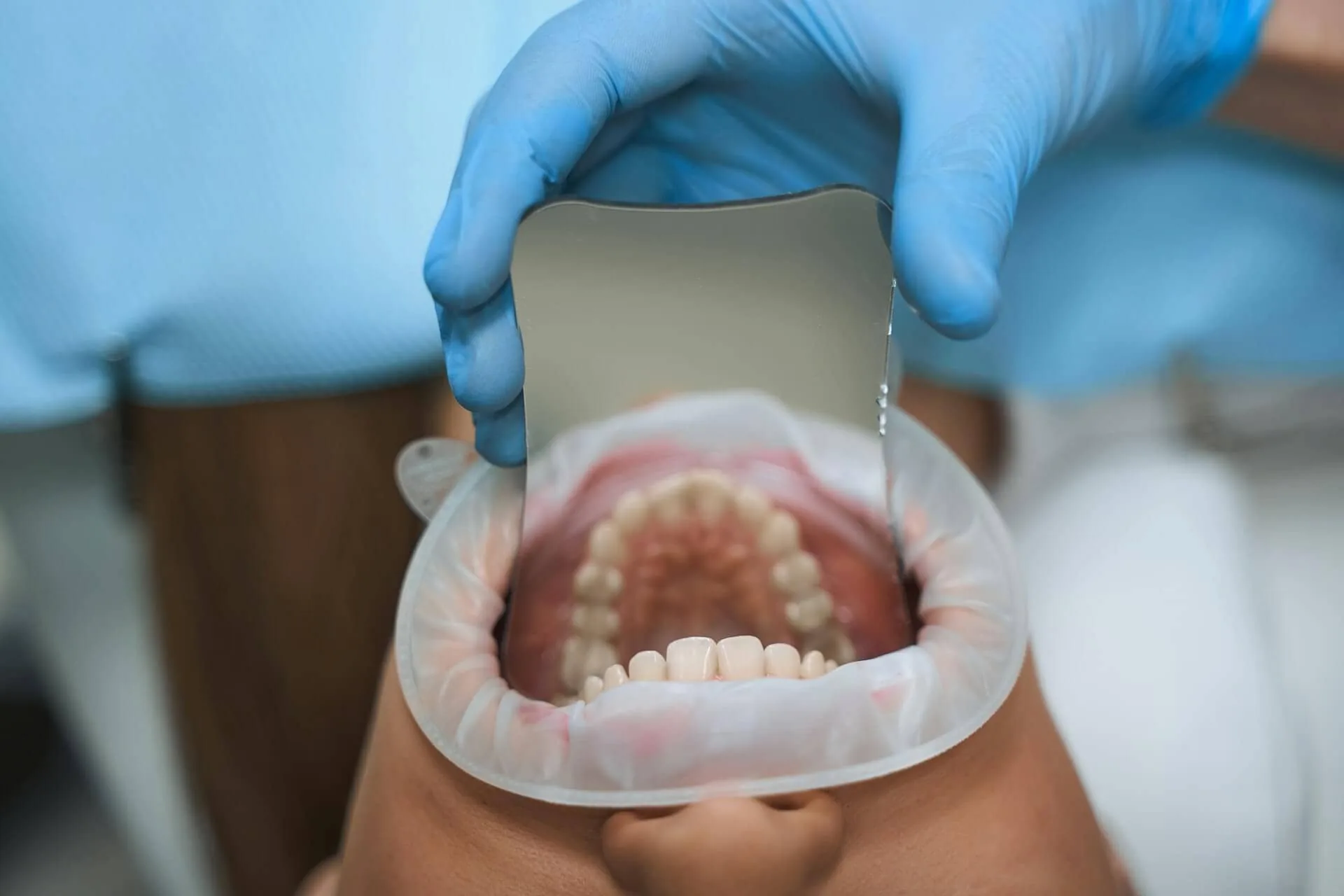
Missing teeth or unstable restorations can make everyday chewing uncomfortable and frustrating. Understanding how implants can restore stable chewing and long-term comfort helps patients explore solutions that feel secure and natural. Dental implants are designed to replace missing tooth roots, providing dependable support for eating and speaking.
At Dentist of Anaheim, dental implant treatment focuses on restoring function while maintaining comfort and long-term oral health. Implants are used to create a stable foundation that supports natural chewing forces and reduces irritation often caused by removable options.
This article explains how dental implants support chewing stability, protect jawbone health, and improve comfort over time. You will also learn how implants compare to other tooth replacement options and what helps them last. These details support informed decisions about long-term tooth replacement.
Understanding Dental Implants
Dental implants give you a natural way to replace missing teeth. They fit securely in your mouth and can last for many years with proper care. Knowing how implants work, what materials they use, and if you are a good fit can help you make a smart choice for your smile.
How Implants Differ From Other Tooth Replacements
Unlike dentures or bridges, dental implants are fixed into your jawbone. This makes them very stable when you chew, so you don’t have to worry about slipping or discomfort. Implants also help keep your jawbone healthy by stimulating it, which dentures and bridges do not.
Other options usually rely on nearby teeth or an adhesive to stay in place. Implants act like real roots, so they offer stronger support. They don’t affect your other teeth, which helps protect your natural smile. Implants let you eat with confidence and feel more comfortable day to day.
Materials Used in Modern Implants
Most dental implants are made of titanium, a strong metal that your body accepts well. Titanium bonds with your jawbone so the implant stays secure for a long time. There are also implants made from zirconia, a tooth-colored ceramic. Zirconia can be a good choice if you want an option without metal.
The part of the implant you see, the crown, is usually made from porcelain or ceramic. These materials look like natural teeth and resist stains. Your dentist will pick the best materials based on your needs, health, and preferences to ensure comfort and function.
Who Is a Good Candidate for Implants
You need enough healthy jawbone to hold the implant tightly. If your bone is thin or weak, your dentist might suggest building it up first. Good candidates are usually adults with healthy gums and no active infections.
People who smoke or have certain medical conditions may face more risks but can still get implants with proper care. Your dental team will evaluate your health, jawbone, and goals to see if implants are the right fit for you. They focus on making your treatment safe and comfortable.
How Implants Restore Stable Chewing
Dental implants help bring back strong, steady chewing so you can eat comfortably and enjoy your favorite foods. They do this by bonding with your jawbone, improving how your bite works, and offering better support than dentures or bridges.
Why Jawbone Support Is Essential for Chewing Strength
According to the National Institute of Dental and Craniofacial Research, missing teeth allow jawbone tissue to gradually break down due to a lack of stimulation. Reduced bone support weakens chewing efficiency and can affect facial structure over time.
The National Institute of Dental and Craniofacial Research explains that dental implants stimulate the jawbone during chewing, similar to natural tooth roots. This stimulation helps maintain bone density and supports stronger, more stable biting forces.
Jawbone Integration for Strength
When a dentist places an implant, it fuses directly with your jawbone in a process called osseointegration. This creates a stable base that acts much like a natural tooth root. Because the implant anchors firmly, it prevents bone loss that happens when teeth are missing.
This firm hold makes your jaw stronger and keeps your facial structure healthy. Without this support, your jawbone can shrink, leading to weaker chewing and changes in your appearance.
Bite Efficiency and Functionality
Implants restore your bite by evenly distributing chewing pressure. Unlike removable dentures, implants don't shift or slip when you eat. This stability improves your ability to chew tough or sticky foods without worry.
With implants, your bite feels more natural. You can enjoy a wider range of foods, which supports better nutrition. The strong connection between the implant and jawbone allows you to bite down with confidence and without pain.
Comparison With Dentures and Bridges
Dentures sit on your gums and can move around, making chewing less efficient and sometimes uncomfortable. Bridges rely on nearby teeth for support, which can weaken those teeth over time.
Implants stand alone, anchored in bone for unmatched stability. This prevents damage to your natural teeth and keeps chewing steady. You get a secure fit that feels more like real teeth, and you don’t have to worry about adhesives or gaps.
Ensuring Long-Term Comfort With Implants
When you choose dental implants, comfort is key to enjoying stable chewing for years. Implants are designed to feel natural, avoid irritation, and adjust with your mouth over time. These qualities help you eat and speak with ease daily.
Natural Feel and Fit
Implants anchor directly into your jawbone, making them feel more like real teeth compared to bridges or dentures. This firm fit prevents slipping. The crown attached to the implant is shaped to match your bite and nearby teeth.
Because implants join with your bone, they provide better stability. You won’t have to worry about your teeth moving when you chew harder foods. The natural fit helps your jaw work smoothly without strain.
Prevention of Sore Spots and Irritation
Unlike removable dentures, implants don’t rest on your gums, so they reduce the chance of sore spots and irritation. With dentures, rubbing gum tissue can cause discomfort or even ulcers.
Implants avoid this by staying under your gums, leaving the surrounding tissues undisturbed. The material used in implant crowns is smooth and gentle, which helps keep your mouth healthy.
Good oral hygiene around implants is easier too, preventing inflammation. Advanced tools help ensure implants are comfortable and minimize irritations during and after placement. This leads to a pain-free experience as you get used to your new tooth.
Adaptation Period and Ongoing Comfort
After your implant is placed, your mouth needs time to adjust. This period can take a few days to weeks. During this time, you might feel mild pressure or soreness, which will gradually fade.
Your dentist will guide you on caring for the implant to prevent infection and ease healing. It's important to follow these instructions to keep comfort high and avoid problems.
Once healed, implants feel very natural, and many patients report no discomfort at all. Regular dental visits help monitor implant health, ensuring continued comfort for chewing and daily use. If any discomfort arises later, your dentist can quickly make adjustments.
Benefits Beyond Chewing and Comfort
Dental implants do more than help you chew easily and feel comfortable. They also support your overall oral health and can improve how you feel about your smile and daily life.
Positive Impact on Oral Health
Implants help keep your jawbone healthy by replacing tooth roots. Without this support, your bone may shrink, which can change the shape of your face and cause other teeth to shift.
Unlike dentures, implants stay fixed in place. This prevents rubbing and sores inside your mouth. You also avoid wearing down nearby teeth, which sometimes happens with bridges.
Because implants act like natural teeth, they make it easier to clean around your mouth. This lowers your risk of gum disease and tooth decay. Your dentist will help you maintain good habits so your implants last a long time.
Boosting Confidence and Quality of Life
When your dental implants feel stable, your smile looks natural. This can give you more confidence to talk, laugh, and eat without worry.
Many patients say implants make social situations more comfortable. You don’t have to hide your teeth or avoid favorite foods. This freedom adds to your quality of life day after day.
You also save time and effort since implants don’t need adhesives or constant adjustments. If you want a secure, natural feel that fits your lifestyle, implants could be the right choice for you.
Caring for Your Dental Implants
Keeping your dental implants healthy and comfortable means following specific care steps every day and seeing your dentist regularly. This helps your implants last longer and keeps your chewing stable and pain-free.
Daily Maintenance Tips
You should brush your implants twice a day with a soft-bristle toothbrush. Use a low-abrasive toothpaste to avoid scratching the implant surface. Flossing daily is also essential to remove food and plaque from hard-to-reach places around the implant.
Avoid biting on very hard foods, like ice or hard candy, which can damage the implant or surrounding crowns. Rinsing with an antibacterial mouthwash can reduce bacteria near your implants. If you smoke, quitting will help protect your implants and overall mouth health.
Professional Check-Ups and Longevity
Visit your dentist at least twice a year for cleanings and exams. These visits let your dentist check the implant’s stability and catch any early problems. Professional cleanings remove plaque and tartar that you can’t reach at home.
Your care team can spot signs of gum disease or wear that affects your implant. Regular exams help keep your mouth healthy and your implants comfortable for years. If you notice any soreness, swelling, or loose implants, call your dentist right away for a check-up.
Supporting Comfortable Chewing With Dental Implants
Dental implants provide stable support that allows patients to chew confidently and comfortably. By anchoring directly into the jawbone, implants help restore natural function and reduce irritation. This stability supports both daily comfort and long-term oral health.
At Dentist of Anaheim, implant treatment is planned to restore chewing strength while protecting surrounding teeth and bone. Care focuses on long-term stability, comfort, and predictable outcomes tailored to individual needs.
If chewing discomfort or missing teeth are affecting your daily life, learning more about dental implants may be a helpful next step. A dental evaluation can determine whether implants are the right option for restoring comfort and function.
Frequently Asked Questions
Dental implants can improve how well you chew and keep your mouth comfortable for years. They also protect your jawbone and help keep your smile natural.
What are the benefits of dental implants for chewing efficiency?
Dental implants work like natural tooth roots. They let you bite and chew food firmly without slipping. This means you can enjoy a wider variety of foods easily.
Can you experience natural sensations while eating with dental implants?
Yes, implants feel closer to natural teeth than dentures. They don’t cover your palate, so you can taste your food better. Over time, many people say chewing feels normal again.
How do dental implants help prevent further bone loss in the jaw?
Implants stimulate your jawbone when you chew, just like natural teeth. This prevents the bone from shrinking and keeps your facial shape healthy. Missing teeth without implants often lead to bone loss.
Could you explain the 3/2 rule in the context of dental implant success?
The 3/2 rule means having three implants support two tooth replacements. This helps balance pressure and improve stability. It’s a common way dentists plan implant treatment for long-term comfort.
What can patients expect from their dental implants after 25 years?
Many implants last 25 years or more with proper care. You should expect strong chewing ability and a stable fit. Regular checkups help keep your implants healthy.
Are dental implants a long-term, comfortable solution for missing teeth?
Yes, implants provide long-term comfort and avoid the irritation that dentures often cause. Modern tools make implant placement gentle and smooth for your comfort.