When your teeth are sensitive to cold and sweets on a regular basis, your body is usually signaling that something has changed beneath the surface. The good news is that tooth sensitivity is one of the most common concerns dentists hear from patients of all ages.
Dr. Hamid Barkhordar and the team at Dentist of Anaheim work with families every week to find the cause of that discomfort and put together a plan that actually makes sense for each person's situation.
Keep reading to learn what causes sensitive teeth, how different types of sensitivity feel, what you can try at home, and when a quick dental visit is the smartest move you can make. The answers are more straightforward than you might expect.
What Tooth Sensitivity Usually Means
Tooth sensitivity happens when the inside of your tooth becomes easier to reach by outside temperatures, sugar, or pressure. Your teeth are built with a tough outer layer called enamel, and when that layer thins or the gum line pulls back, the softer layer underneath gets exposed.
How Nerves Become Easier to Trigger
That softer layer underneath your enamel is called dentin. Dentin is filled with tiny channels that run toward the nerve at the center of your tooth. When enamel wears down, or gum tissue recedes, those channels open up. Cold drinks, sweet foods, or even a breath of cool air can travel through those channels and reach the nerve, causing that quick, sharp feeling you recognize.
Think of enamel like the insulation around a wire. When the insulation wears thin, even a small signal gets through more easily. The nerve inside your tooth is not damaged yet, but it is responding to things it normally would not notice. That is the moment most people start asking why their teeth suddenly feel so sensitive.
Why Cold and Sweet Foods Often Set It Off
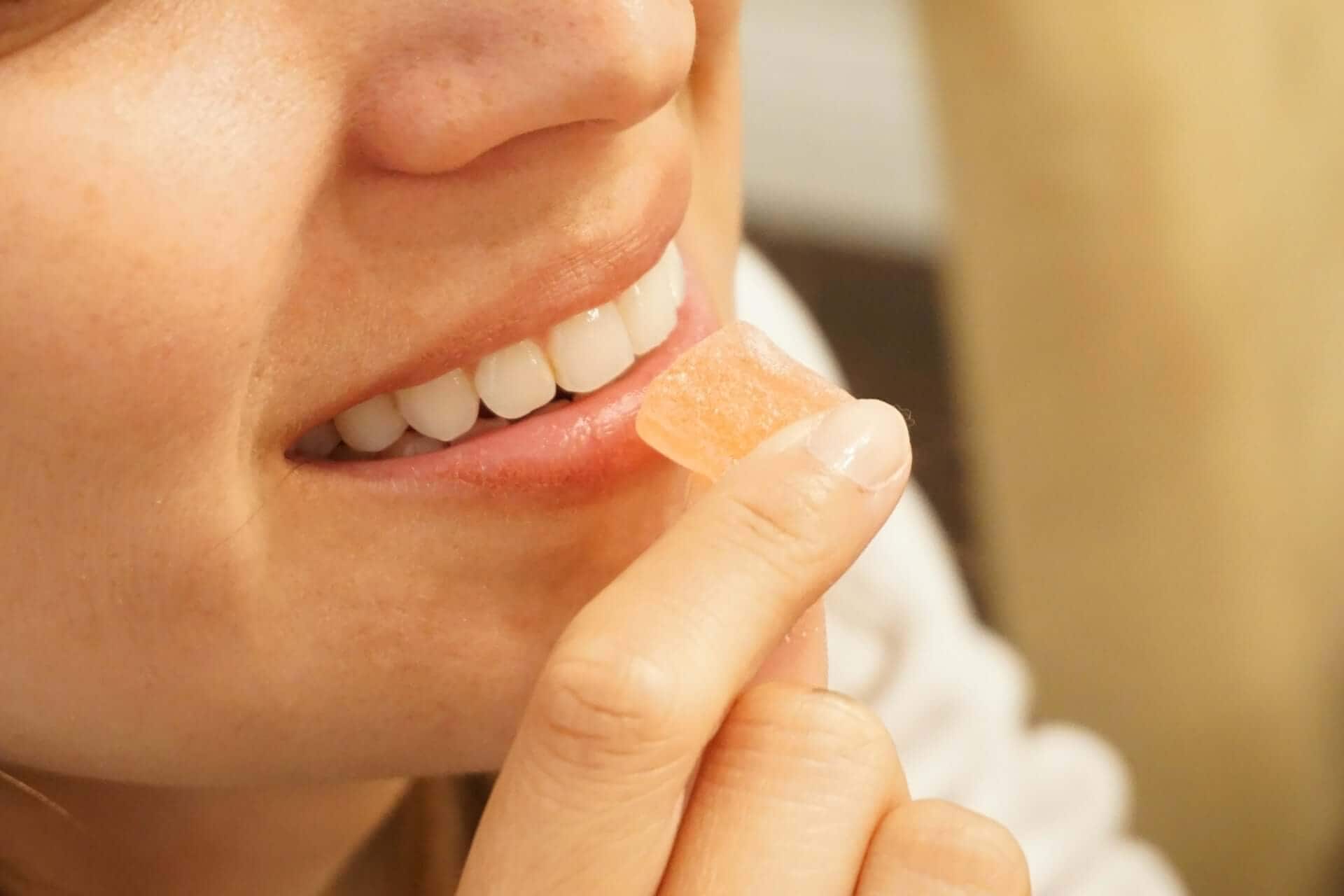
Cold temperatures cause tiny movements in the fluid inside those dentin channels, which the nerve reads as pain. That is why an iced drink can feel like a jolt while a room-temperature glass of water does not bother you at all. Sweet foods work a little differently: sugar draws fluid out of those channels via osmosis, creating a pressure change that the nerve detects in almost the same way.
Both triggers point to the same underlying problem: a tooth that has lost some of its protective layer. The next section breaks down the specific reasons that layer gets compromised in the first place.
Common Causes Behind the Pain
Most cases of tooth sensitivity stem from a few very treatable causes. Knowing which one applies to you helps you and your dentist choose the right next step without guessing.
Enamel Wear From Acid and Brushing Habits
Enamel does not grow back once it wears away, so the habits that chip away at it matter more than most people realize. Acidic drinks like sodas, citrus juices, and sports drinks are among the biggest culprits. Frequent exposure softens enamel over time, and brushing too hard or using a stiff-bristled toothbrush can remove what is already weakened.
Teeth grinding, even during sleep, puts constant pressure on enamel surfaces and gradually flattens and thins them. Many people who grind do not know they are doing it until a dentist notices the wear pattern. If you wake up with jaw soreness or headaches, that could be a related sign worth mentioning at your next visit.
Exposed Dentin After Gum Recession
Gum recession happens when gum tissue gradually pulls away from the tooth, exposing the root surface below the gumline. Root surfaces lack an enamel coating, so they are naturally more sensitive to temperature and sugar. This is one reason sensitivity sometimes gets worse with age.
Recession can result from gum disease, hard brushing, or simply genetics. The exposed area is not painful to look at, but it responds strongly to everyday triggers. Catching it early gives a dentist more options to protect that surface before sensitivity becomes a constant problem.
Cavities and Early Tooth Decay
A cavity is basically a small hole or soft spot in your tooth where decay has eaten through the enamel. Once the decay reaches the dentin, sensitivity to cold and sweets often shows up as one of the first signs something is wrong. It is worth paying attention to, because a cavity caught early is much simpler to treat than one that has grown deeper.
Many people assume sensitivity only means a cavity, but that is not always the case. Decay is one of several causes, which is why a visual check alone is not enough to be certain.
Old Fillings, Cracks, and Other Weak Spots
Dental fillings do not last forever. Over time, they can shrink slightly, crack, or pull away from the surrounding tooth structure, creating tiny gaps where temperature and sugar can reach the nerve. A cracked tooth is another common cause of localized sensitivity, especially if the discomfort occurs when you bite down in a specific spot.
Here is a quick look at how these causes compare:
Cause | Common Trigger | Tooth or Several? |
Enamel erosion | Cold, sweets, acid | Often several teeth |
Gum recession | Cold air, cold drinks | Often several teeth |
Cavity or decay | Sweets, cold | Usually one tooth |
Cracked tooth | Biting, cold | One specific tooth |
Old or failing filling | Cold, sweets | One tooth |
The way your sensitivity feels from day to day can actually tell you a lot about which category best fits your situation.
How Different Causes Can Feel
Not all tooth sensitivity feels the same, and those differences are useful clues. Paying attention to the pattern of your discomfort helps your dentist narrow things down quickly during your visit.
Short, Sharp Twinges
A quick, sharp pain that arrives and fades within a couple of seconds is the most common pattern people describe. It tends to show up with cold drinks, cold air, or something sweet, and then disappears almost immediately after the trigger goes away. This pattern usually points to enamel thinning, gum recession, or early-stage dentin exposure rather than something more urgent.
This type of sensitivity is genuinely uncomfortable, but it often responds well to desensitizing toothpaste and some adjustments to brushing habits. It is worth taking seriously, though, because it rarely gets better on its own without some kind of change.
Pain That Lingers After Eating or Drinking
If the discomfort sticks around for more than a few seconds after you eat or drink something cold or sweet, that is a different pattern. Lingering pain, especially if it lasts 30 seconds or longer, can point to deeper decay or a nerve that has become irritated or inflamed. This is the kind of sensitivity that deserves a dental evaluation sooner rather than later.
Lingering sensitivity after a recent filling is also fairly common and usually settles down within a few weeks as the tooth adjusts. If it does not improve after that window, it is worth checking in with your dentist.
Discomfort in One Tooth Versus Several Teeth
Sensitivity affecting multiple teeth often suggests a broader issue, such as acid erosion from diet or grinding. Sensitivity isolated to one specific tooth, especially if it hurts when you press on it or bite down, more often points to a cavity, crack, or a failing restoration.
Taking note of where the sensitivity lives and what triggers it is one of the most helpful things you can do before your appointment. That detail alone can save time and help your dentist focus right away.
What You Can Do at Home First
There are real, practical steps you can take at home that make a difference for mild sensitivity, and they do not require any special equipment or products.
Choosing a Toothpaste for Sensitive Teeth
Desensitizing toothpastes work by either blocking the dentin channels or calming the nerve over time. The two ingredients most commonly used are:
Potassium nitrate: Calms the nerve response and generally takes two to four weeks of consistent use to show results.
Stannous fluoride: Blocks open dentin channels and also strengthens enamel; results may come a little faster.
Both are effective, but you need to use the toothpaste consistently for it to work. Brushing once and expecting immediate relief will lead to disappointment. Some people find leaving a small amount of the toothpaste on their teeth after brushing, rather than rinsing, extends the benefit.
Adjusting Brushing and Food Habits
Switch to a soft-bristled toothbrush if you have not already. Medium and hard bristles can remove enamel over time, especially if you brush with a lot of pressure. Aim for gentle, circular strokes rather than scrubbing back and forth.
Try to wait at least 30 minutes after eating acidic foods or drinking acidic beverages before you brush. Brushing while enamel is temporarily softened by acid can accelerate wear. Drinking water after acidic food or drink helps rinse the acid away without the friction of brushing.
When to Avoid DIY Fixes
Home care works well for mild, generalized sensitivity. It is not the right tool for a cracked tooth, a growing cavity, or gum disease. Trying to manage those conditions with toothpaste alone delays treatment and can allow the problem to get worse.
If your sensitivity is worsening, affecting your sleep, or tied to visible changes in your teeth or gums, a professional exam is the more appropriate next step.
When It Is Time for a Dental Exam
Some sensitivity responds to home care within a few weeks. Other cases indicate a need for a dentist's attention, and the sooner you go, the simpler the solution tends to be.
Signs the Problem May Be Getting Worse
Contact a dental office when you notice any of the following:
Sensitivity that has lasted more than two to three weeks without improvement
Pain that wakes you up or prevents you from eating comfortably
Visible darkening, chipping, or a hole in a tooth
Gums that bleed when you brush or that look like they are pulling away from the tooth
Swelling or tenderness in the gum near a sensitive tooth
Sensitivity that is getting sharper or more frequent rather than fading
Any one of these signals is worth a phone call. Most of the time, getting checked early means a quicker, more comfortable resolution.
What a Dentist May Check During the Visit
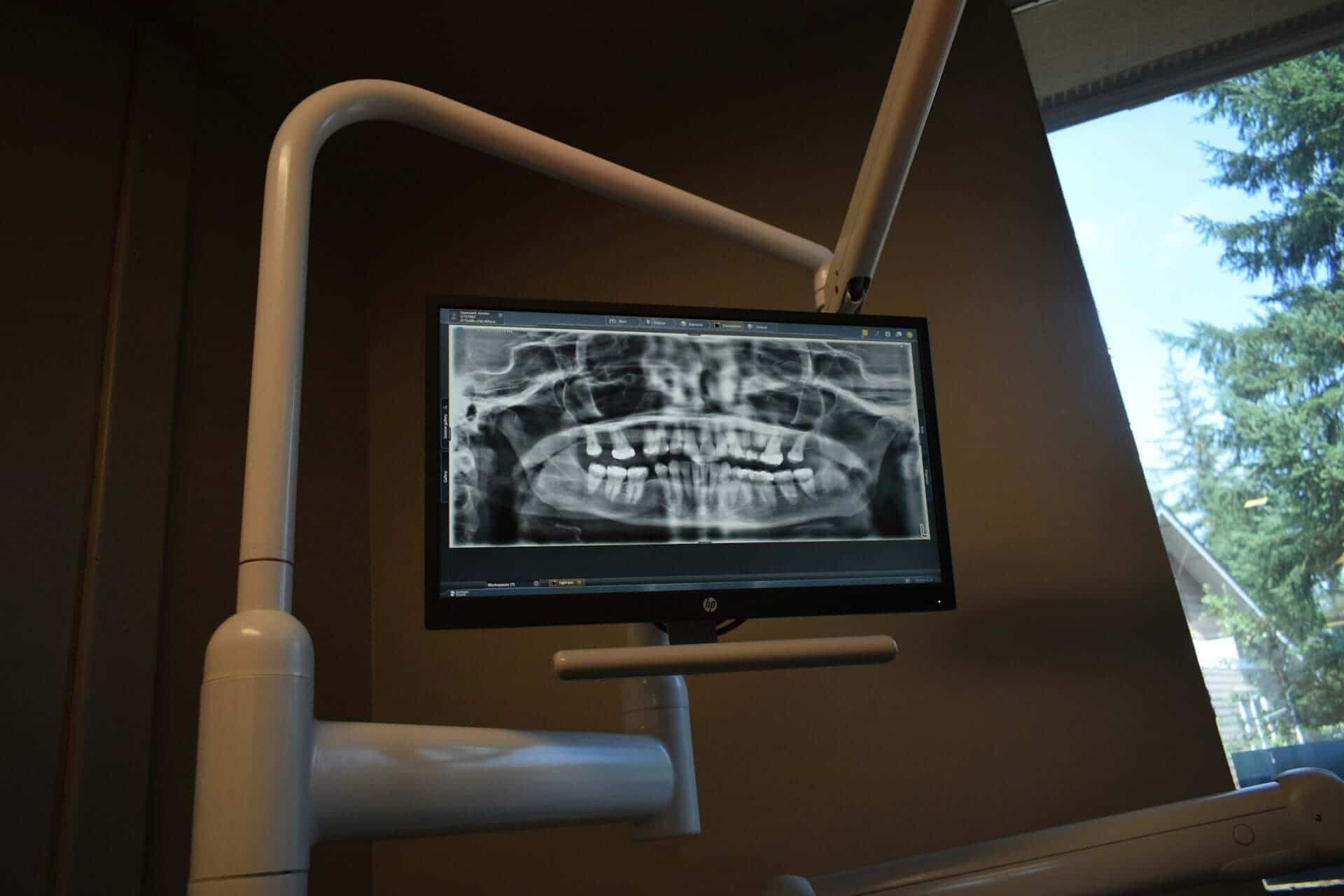
Your dentist will likely start with a visual exam and may use digital X-rays to look for decay or bone changes that are not visible to the naked eye. Intraoral photos give a close-up view of areas that might be hard to see otherwise. Your dentist may also gently test specific teeth with cold air or a cold instrument to pinpoint exactly which tooth or teeth are responding and how strongly.
From there, the conversation turns to what the exam found and what options make sense for your situation. The goal is always to explain what is happening in plain terms so you can make an informed decision without feeling rushed.
Finding Relief and Protecting Your Smile
Relief from tooth sensitivity is very much possible, and the path to it usually starts with identifying the cause. Treatment does not have to be complicated or intimidating.
Treatment Options Based on the Cause
Different causes call for different approaches, and a good treatment plan matches the solution to what is actually going on:
Cause | Common Treatment |
Thinning enamel | Fluoride treatment, desensitizing toothpaste |
Gum recession | Protective bonding or sealant over exposed root |
Cavity or decay | Composite filling to restore the tooth |
Cracked tooth | Crown or bonding to seal the crack |
Teeth grinding | Custom night guard to reduce enamel wear |
Old or damaged filling | Replacement filling or crown |
Fluoride treatments done in the office are stronger than what you get from toothpaste and can give faster relief for enamel-related sensitivity. Dental bonding, which is a tooth-colored material applied directly to exposed root surfaces, provides a protective layer that quickly and comfortably reduces sensitivity.
Frequently Asked Questions
What Are the Most Common Causes of Sudden Tooth Sensitivity to Cold Air or Cold Drinks?
The most common causes are thinning enamel, exposed dentin, and gum recession. These changes allow heat to reach the nerve inside your tooth more easily than before. Less often, a new crack or a failing filling can also cause sudden cold sensitivity.
Why Do Sweets or Sugary Foods Trigger a Sharp, Quick Tooth Pain?
Sugar draws fluid through the tiny channels in exposed dentin by a process called osmosis, which creates a pressure change the nerve detects as pain. This is why sweet sensitivity and cold sensitivity often show up together, since both triggers work through the same exposed pathways.
How Can I Calm Sensitive Tooth Pain at Home Until I Can Schedule a Convenient Dental Visit?
Switch to a desensitizing toothpaste and use a soft-bristled toothbrush with gentle pressure. Avoiding acidic foods and very cold or very sweet items can reduce flare-ups while you wait for your appointment. These steps manage discomfort but do not replace a professional evaluation if the sensitivity persists.
Which Desensitizing Toothpaste Ingredients Actually Help, and How Long Do They Take to Work?
Potassium nitrate and stannous fluoride are the two most studied ingredients in desensitizing toothpaste. Potassium nitrate typically takes two to four weeks of consistent use, while stannous fluoride may work a bit sooner by physically blocking exposed dentin channels. Consistency matters more than which brand you choose.
Why Might Only One Tooth or My Two Front Teeth Become Sensitive All of a Sudden?
Sensitivity in a single tooth usually points to something specific to that tooth, such as a cavity, a crack, or a failing filling. Front teeth can become sensitive after whitening treatments as well, since the enamel is temporarily more porous right after the procedure. A dental exam is the most reliable way to confirm what is happening.
When Does Tooth Sensitivity Mean I May Have a Cavity, Cracked Tooth, or Gum Recession That Needs Treatment?
Sensitivity that lingers for more than a few seconds after a trigger, worsens over time, or comes with visible changes like darkening, a visible hole, or bleeding gums is a sign that something more than simple enamel sensitivity is involved. A cracked tooth often causes pain specifically when you bite down on one spot. Any of these patterns warrants a dental visit rather than home care alone.
A Low-Pressure Next Step for Anaheim Patients
If your sensitivity has been bothering you for more than a few days or seems to be getting worse, a new patient exam at Dentist of Anaheim is a straightforward, no-pressure way to get real answers.
The team focuses on helping you understand what is happening and what your options are, without rushing you into anything before you feel ready.
Ready to put these tips into practice with a team that knows Anaheim families? Schedule your new patient exam and let the team take a look. You can also call (657) 571-8758, and someone will help you find a time that works for your schedule.