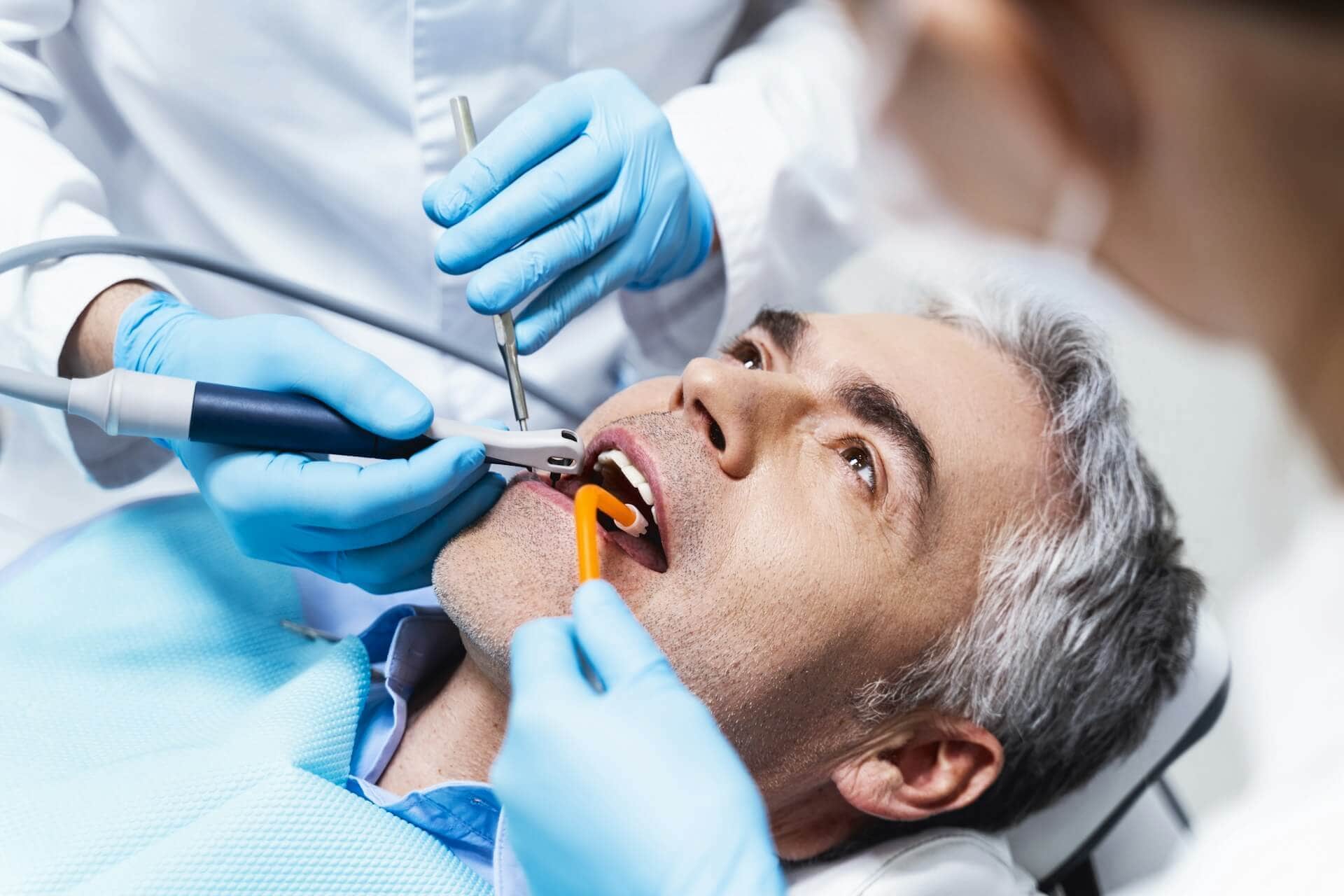
Feeling your stomach tighten at the thought of sitting in a dental chair is more common than most people realize. Sedation dentistry gives anxious patients a practical way to get the care they need without white-knuckling through every appointment.
Dr. Hamid Barkhordar and the team at Dentist of Anaheim understand that dental fear affects real families, and they are here to help patients explore every option available for a more comfortable visit.
Keep reading to learn why dental anxiety is so hard to shake, what sedation actually means in a dental setting, and how different options compare so you can decide what fits your situation.
Why Dental Fear Feels So Hard to Overcome
Dental anxiety is not simply being squeamish. It is a real pattern of fear that keeps millions of people from getting routine care, and it often builds on itself over time.
Common Triggers for Anxiety at the Dentist
For many people, the fear traces back to a specific moment. A painful filling as a child, or a procedure that moved faster than expected. A feeling that no one explained what was about to happen. Those memories stay sharp, and the brain tends to replay them every time a new appointment comes up.
Other triggers are more physical than emotional. The sound of a drill can set off a stress response before any tool has touched a tooth. The sensation of lying back in a chair with limited control is uncomfortable for many people, and a sensitive gag reflex can make even a standard cleaning feel difficult to get through.
Some patients also carry shame about skipping visits for years. They worry about being judged for the current state of their teeth, which makes scheduling even harder. Honestly recognizing these triggers is the first step toward finding a solution that actually helps.
When Nervousness Starts Affecting Oral Health
Avoiding the dentist because of fear seems manageable at first. But a small cavity that goes untreated does not stay small. It grows, causes pain, and often requires more involved treatment, which can feel more intimidating than the cleaning that was skipped in the first place.
The cycle tends to repeat and deepen. More fear leads to longer gaps between visits, which leads to more complex problems, which increases fear. Gum disease, tooth loss, and infections progress faster without routine professional care. The longer the gap, the higher the stakes feel.
Sedation dentistry exists specifically to interrupt that cycle. Knowing that a calm, manageable visit is genuinely possible for someone with real anxiety can change the entire math of whether to make the call.
What Sedation Means in a Dental Setting
Sedation dentistry uses medication to help you feel relaxed during treatment; not unconscious in most cases, but calm enough that the visit stops feeling like something to survive.
How Sedation Supports Comfort and Cooperation
Most dental sedation allows you to stay awake and respond to the dentist throughout the appointment. Your breathing stays independent. You can follow simple instructions when asked. What changes is the way your body registers stress. Muscle tension eases, and the mental chatter quiets down considerably.
This relaxed state makes it easier for the dentist to work efficiently. Patients who might otherwise need multiple short appointments to manage their anxiety can often have more completed in a single visit. That is genuinely useful, especially for anyone with a busy schedule or a strong preference to limit their time in the chair.
Sedation also helps people with sensitive gag reflexes. When the throat muscles relax, routine procedures that once triggered gagging become far more manageable. It makes the experience less stressful for the patient and allows for more thorough care.
What Sedation Usually Does Not Do
Sedation is not the same as general anesthesia used in a hospital operating room. You will not be put fully to sleep for a standard dental procedure. You will still need a local anesthetic to numb the treatment area, which means the sedation handles the emotional and physical tension while the numbing handles any sensation at the site.
It is also worth knowing that sedation is not a permanent solution to dental anxiety. It makes each visit manageable, but the underlying fear may still need to be addressed over time through honest conversations with your dental team. Many patients find that a few positive, calm experiences under sedation gradually reduce the anxiety they feel at future visits without medication.
Main Options Patients May Be Offered
The three most common forms of dental sedation differ in how they are given, how deeply they work, and how long recovery takes. Here is a side-by-side look at how they compare.
Type | How It Is Given | Level of Relaxation | Recovery Time |
Nitrous oxide | Inhaled through a nose mask | Light, calm, still alert | Minutes |
Oral conscious sedation | Pill taken before the visit | Moderate, drowsy, may not recall details | Several hours |
IV sedation | Delivered through a vein | Deep, detached from surroundings | Several hours |
Nitrous Oxide for Light Relaxation
Nitrous oxide, often called laughing gas, is the most widely used option for patients with mild to moderate nerves. You breathe it in through a small mask placed over your nose while the dentist works. Within a few minutes, most people feel a warm, floaty calm settle in.
You stay aware of what is happening and can respond to the dental team, but the edge is completely off. When the appointment ends, the mask comes off, and the gas leaves your system quickly. Most patients can drive themselves home without any help.
This option works well for routine cleanings, fillings, or anyone who just needs a little help taking the edge off.
Oral Conscious Sedation for Deeper Calm
If the idea of a dental appointment triggers real panic rather than just nerves, oral conscious sedation offers a stronger level of relief. Your dentist prescribes a pill that you take about an hour before the visit, so the medication is already working by the time you arrive.
The experience feels notably different from nitrous oxide. Most people become quite drowsy and feel very peaceful throughout the appointment. Many patients remember little to nothing about the procedure afterward, which many find reassuring rather than disorienting.
Because the medication stays in your system for several hours, you will need someone to drive you to and from the appointment. Plan on resting for the remainder of that day.
IV Sedation for More Advanced Anxiety Needs
For patients with deep fear, a history of trauma around dental care, or those facing a longer procedure, IV sedation provides the most controlled level of relaxation. Medication is delivered directly into a vein, which allows the provider to adjust the level of sedation throughout the appointment.
You may feel almost entirely detached from the surroundings, though you are not fully unconscious the way you would be under general anesthesia. Time passes very quickly. Many patients describe the experience as feeling like the appointment lasted only a few minutes.
Recovery takes several hours, and a responsible adult must be with you for the rest of the day. This option is typically reserved for patients whose anxiety is significant or for procedures that are more involved.
What the Experience May Feel Like From Start to Finish
Knowing what to expect from the moment you schedule to the moment you are back home can make the whole process feel far less unknown.
Before the Appointment
Your dentist will review your health history, current medications, and any allergies before recommending a sedation option. For oral and IV sedation, you will likely be asked to stop eating and drinking for a set number of hours beforehand. Follow those instructions carefully, as they are part of keeping the experience safe.
Arrange a driver for oral or IV sedation well in advance
Wear comfortable, loose-fitting clothing on the day of your visit
Avoid alcohol or non-prescribed medications in the hours before your appointment
Write down any questions you have so you can ask them before the sedation begins
During Treatment
Once you are settled in the chair and the sedation is in place, most patients describe a feeling of warmth and calm spreading through their body. The sounds and sensations of the office fade into the background. Your dentist will still use local anesthetic to numb the treatment area, but most sedated patients barely register it.
Time tends to pass faster than expected. A patient who has dreaded a thirty-minute filling may be surprised to find it felt like ten minutes. The team monitors your comfort and adjusts as needed throughout.
After the Visit and Recovery
Nitrous oxide clears quickly, so you can typically return to your normal day within the hour. Oral and IV sedation require more recovery time. Expect to feel groggy, a little clumsy, and possibly slightly foggy for the rest of the day.
Your dental team will go over post-visit instructions before you leave, and your driver should stay with you until you are feeling steady. Most people sleep well that night and feel back to normal the following morning.
Who May Benefit Most From Extra Help Staying Relaxed
Sedation is not only for patients with extreme fear. Several groups find that a little extra support makes dental care genuinely accessible for the first time.
Adults With Past Dental Trauma or Strong Fear
If a difficult experience in the past has led you to avoid the dentist for years, sedation gives you a way to reset that relationship with dental care. It removes the fight-or-flight response long enough for a positive experience to happen, and positive experiences build trust over time.
Adults who have always felt panicked at cleanings, even when nothing complicated is being done, are strong candidates. You do not need a severe phobia to ask about sedation. Even moderate, persistent anxiety is a valid reason to explore your options.
Children Who Struggle to Sit Through Care
Some children have a genuinely hard time staying calm and still during dental visits, especially in the early years. Sedation options for children are carefully selected and dosed based on age and weight, and a provider will thoroughly review your child's health history before making a recommendation.
For a child who has had a frightening experience at the dentist, sedation can make the next visit feel completely different. It also helps establish the habit of routine care before fear has a chance to take root.
Patients Needing Longer or More Complex Treatment
Even patients without significant anxiety sometimes benefit from sedation during lengthy procedures. Sitting still for an extended period causes physical tension and mental fatigue. Sedation keeps the body relaxed, reduces the number of breaks needed, and lets the dentist focus on delivering thorough care.
This is particularly helpful for patients who need multiple restorations or who have difficulty keeping their mouths open for extended periods due to jaw tenderness.
Safety, Planning, and Questions to Ask
Sedation dentistry is widely used and has a strong safety record when administered by a trained provider. Being prepared and honest with your dental team is what keeps the experience safe for you.
Health History and Medication Review
Before any sedation is selected, your dentist needs a complete picture of your health. Certain medications interact with sedatives. Some health conditions, including respiratory issues, require extra care when choosing a type of sedation.
Be honest about everything you are currently taking, including supplements and over-the-counter medications. Disclose any known allergies and any history of reactions to anesthesia. This is not a checklist to rush through. It is the foundation of a safe, personalized plan.
Why Monitoring and Training Matter
During sedation, the dental team tracks your heart rate, blood pressure, and oxygen levels throughout the appointment. This monitoring is standard practice and allows the team to respond quickly if anything shifts unexpectedly.
Providers who administer sedation beyond nitrous oxide are required to meet specific training and certification standards. Asking about a provider's credentials and protocols is completely appropriate, and any experienced dental team will be glad to answer.
How to Talk With a Dentist About the Right Fit
You do not need to have all the answers before your consultation. Simply being honest about your level of fear, your past experiences, and what has made visits hard in the past gives the dentist the information needed to suggest the right option.
Questions worth asking include:
How will my comfort be monitored during the procedure?
What are the instructions for the day of my appointment?
What should I expect during recovery?
A dental team that listens well and answers thoroughly is a strong sign that you are in a good place.
How to Prepare for a Low-Pressure Consultation
A sedation consultation is not a commitment to any particular procedure. It is a conversation. You can share your concerns, ask questions, and leave with a clearer sense of what is possible before you decide anything at all.
Write down what makes dental visits hard for you. Be specific, whether it is the sounds, the loss of control, a past experience, or simply not knowing what to expect. That kind of detail helps a provider suggest an approach that fits your actual situation rather than a generic one.
Bring a list of your current medications and any relevant health history. The more information you bring, the more useful the conversation becomes.
Frequently Asked Questions
Can I Get Dental Sedation if I Have Strong Anxiety or a Sensitive Gag Reflex?
Yes. Sedation dentistry is particularly well-suited for patients with strong fear or a pronounced gag reflex. Your dentist will review your health history to determine which level of sedation is appropriate before moving forward.
What Should I Expect Before, During, and After IV Sedation for a Dental Visit?
Before your appointment, you will be asked to fast for a set number of hours and arrange for a driver. During the procedure, you will feel deeply calm and time will pass quickly. Afterward, expect several hours of grogginess before the medication fully clears your system.
How Safe Is Dental Sedation, and What Health Conditions or Medications Should I Tell the Dentist About?
Dental sedation is widely used and considered safe when administered by a trained provider with proper monitoring. Tell your dentist about all medications, supplements, allergies, respiratory conditions, and any past reactions to sedatives or anesthesia before your appointment.
What Is the Difference Between Nitrous Oxide, Oral Sedation Pills, and IV Sedation?
Nitrous oxide is inhaled, works quickly, and wears off within minutes, making it ideal for mild anxiety. Oral sedation is a pill taken before the visit that causes deeper drowsiness lasting several hours. IV sedation is delivered through a vein and provides the deepest level of relaxation, with recovery also taking several hours.
Will Dental Sedation Be Covered by My Dental Insurance, and What Costs Should I Plan For?
Coverage varies by plan. Some PPO insurance plans cover sedation when it is considered medically necessary, such as for documented anxiety disorders or complex procedures. Check with your insurance provider directly, and ask the dental office to help clarify what is included in your specific plan.
How Soon Can I Drive, Return to Work, or Care for My Family After Sedation Dentistry?
After nitrous oxide, most patients can drive and resume normal activities within the hour. After oral or IV sedation, you should plan to rest for the remainder of the day. Driving is not safe until the medication has fully cleared your system, typically the following morning at the earliest.
Your Path to a Stress-Free Smile Starts Here
If dental anxiety has kept you or your child from getting care, or if you have been putting off treatment because you did not know a calmer option existed, now is a good time to reach out. Dentist of Anaheim offers sedation options and welcomes a conversation about what would work best for your family.
Call (1657) 5718758 to talk with the team or to schedule your new patient exam. There is no pressure and no judgment, just a straightforward conversation about helping you feel comfortable enough to take care of your smile.