Waking up with a sore jaw or a dull headache that fades by midmorning is easy to brush off. You might think you slept in an odd position or that you are just tired. But when that feeling shows up several mornings a week, your teeth and jaw may be sending a signal worth paying attention to.
Nighttime teeth grinding, known clinically as bruxism, is more common than most people realize, and it often goes unnoticed for months or even years. Dr. Hamid Barkhordar and the team at Dentist of Anaheim work with adults and families who are navigating exactly this kind of concern.
Keep reading to learn what causes teeth grinding at night, how to recognize the warning signs at home, and what treatment options can protect your teeth while addressing what is actually driving the problem. The information here is written in plain language because that is how good dental care should feel.
What Bruxism Is and Why It Happens During Sleep
Bruxism is the involuntary clenching or grinding of teeth. It involves repeated jaw muscle activity that most people cannot control because it happens while they sleep.
During waking hours, your jaw muscles respond to conscious signals. At night, those controls relax, but in some people the muscles continue firing. This leads to grinding or clenching that can last several minutes at a time across multiple sleep cycles. The pressure involved can be significant, sometimes far greater than what occurs during normal chewing.
Sleep bruxism is classified as a sleep-related movement disorder, which explains why it tends to occur during lighter stages of sleep and can be connected to other sleep disruptions. It is not a character flaw or a sign of poor health habits. It is a condition with identifiable causes and manageable solutions.
How Nighttime Clenching Differs From Daytime Habits
Daytime clenching tends to happen in response to stress, concentration, or tension. You might catch yourself doing it and stop. Nighttime grinding is different because you have no awareness of it in the moment.
The forces involved during sleep can also be harder on your teeth. Without conscious feedback, the muscles do not ease up the way they would when you are awake. This is why people who grind at night often notice more physical damage over time compared to those who clench occasionally during the day.
Why Many People Do Not Realize They Grind Their Teeth
Most people discover they grind their teeth through a partner or family member who hears the sound. Others only find out after a dentist points out wear patterns on their enamel during a routine exam.
The absence of pain during the act itself is part of why bruxism goes undetected. Your brain is not registering discomfort in real time. The signs show up later, in the morning or over weeks and months, which makes it easy to attribute them to other causes. Once you know what symptoms to look for, the picture often becomes much clearer.
Common Signs You May Notice First
Many of the most recognizable signs of teeth grinding show up outside the dentist's chair, in how you feel when you wake up or in how your teeth look and feel over time.
Morning Jaw Soreness and Headaches
A tight or achy jaw when you wake up is one of the most consistent signs of nighttime grinding. The muscles involved in chewing have been working while you slept, and they feel it by morning.
Headaches that begin at the temples or the back of the jaw are also common. These are often tension-type headaches driven by overworked jaw muscles rather than anything happening inside the skull.
Worn Enamel, Tooth Sensitivity, and Chipped Teeth
Enamel does not grow back once it wears down. Grinding can gradually thin it, leading to increased sensitivity to cold drinks, sweets, or air. You might notice this as a brief sharp sensation rather than a lingering ache.
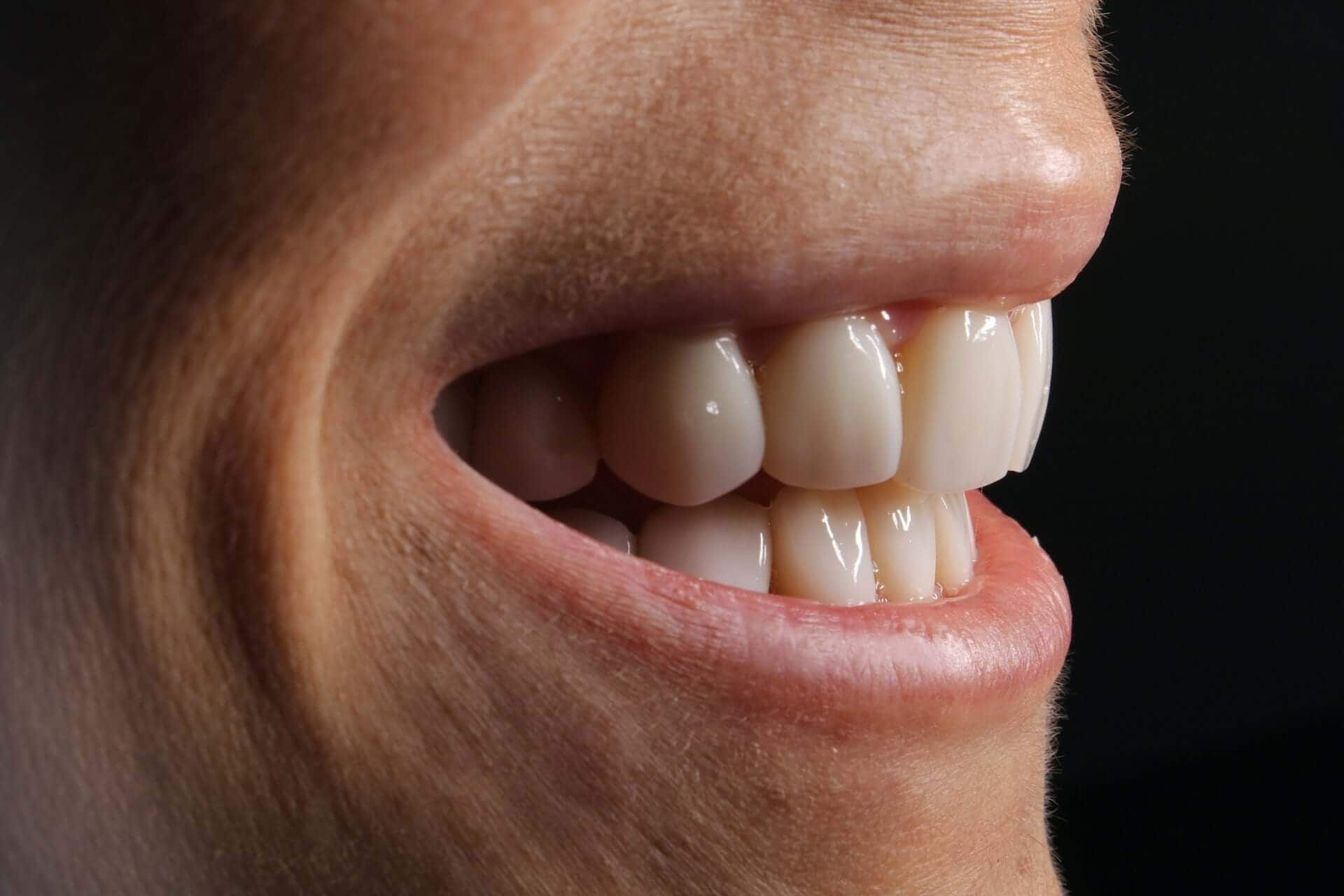
Over time, teeth may appear shorter or flatter along the biting edges. Small chips or cracks can appear, particularly on back teeth. These are not always painful right away, but they create vulnerability that can lead to bigger problems later if left unaddressed.
Sleep Disruption, Ear-Area Tension, and Facial Fatigue
Bruxism can interfere with sleep quality without fully waking you up. You may notice you feel unrested even after a full night. Some people describe a feeling of tightness or dull pressure near the ears or along the sides of the face.
The jaw joint sits just in front of the ear canal, so tension in that area can sometimes feel like an earache even when nothing is wrong with the ear itself. Facial fatigue, a general heaviness in the jaw and cheeks by midday, is another sign worth noting.
Clues Parents May Notice in Children
Children grind their teeth, too, and are less likely to describe their feelings accurately. A grinding sound from your child's room at night is the most direct signal.
Other things to watch for include complaints about a sore jaw in the morning, reluctance to eat crunchy foods, or visible wear on baby teeth. Children often outgrow grinding as their bite develops, but it is worth mentioning to their dentist to ensure nothing needs monitoring or addressing. The next step is understanding what actually sets nighttime grinding in motion.
What Can Trigger Nighttime Grinding
Bruxism rarely has a single cause. It tends to develop when several contributing factors overlap, which is why identifying your personal triggers matters as much as treating the symptoms.
Stress, Anxiety, and Habit Patterns
Stress is one of the most widely recognized triggers. When your nervous system is running at a heightened state during the day, that tension can carry into sleep. People going through demanding periods at work, managing family pressures, or experiencing anxiety often find their grinding worsens during those stretches.
Habit patterns also play a role. If you clench during the day due to lack of concentration or frustration, your jaw muscles may continue that pattern at night without conscious control.
Bite Changes and Crooked Teeth
When teeth do not come together evenly, the jaw may seek a more comfortable resting position during sleep. Misaligned teeth, a shifting bite after losing a tooth, or changes caused by new dental work can all contribute to grinding patterns.
Orthodontic treatment that corrects bite issues sometimes reduces bruxism in the long term, though it is not a guaranteed fix on its own.
Sleep Issues and Airway Concerns
Sleep apnea and other breathing-related sleep disorders are linked to bruxism in a notable number of cases. Grinding may be the body's reflexive attempt to reopen the airway during shallow breathing. This is one reason a dentist may refer a patient for a sleep evaluation when bruxism is severe.
Restless leg syndrome and other sleep movement conditions also appear alongside bruxism more frequently than chance would suggest.
Medicines, Caffeine, and Lifestyle Factors
Certain medications, particularly some antidepressants and stimulants, are associated with increased grinding. Caffeine consumed later in the day can heighten muscle activity during sleep. Alcohol and tobacco use have also been connected to more frequent and intense bruxism episodes.
Trigger Category | Common Examples |
Psychological | Stress, anxiety, daily tension |
Physical or dental | Bite misalignment, missing teeth |
Sleep-related | Sleep apnea, disrupted sleep cycles |
Substances | Caffeine, alcohol, tobacco, some medications |
Knowing your triggers helps guide the right treatment path, which your dentist will evaluate during an exam.
How Dentists Evaluate the Problem
A dental exam can reveal a lot about bruxism even when you have never been formally diagnosed. Dentists are trained to read the story your teeth tell.
What a Dental Exam Can Reveal
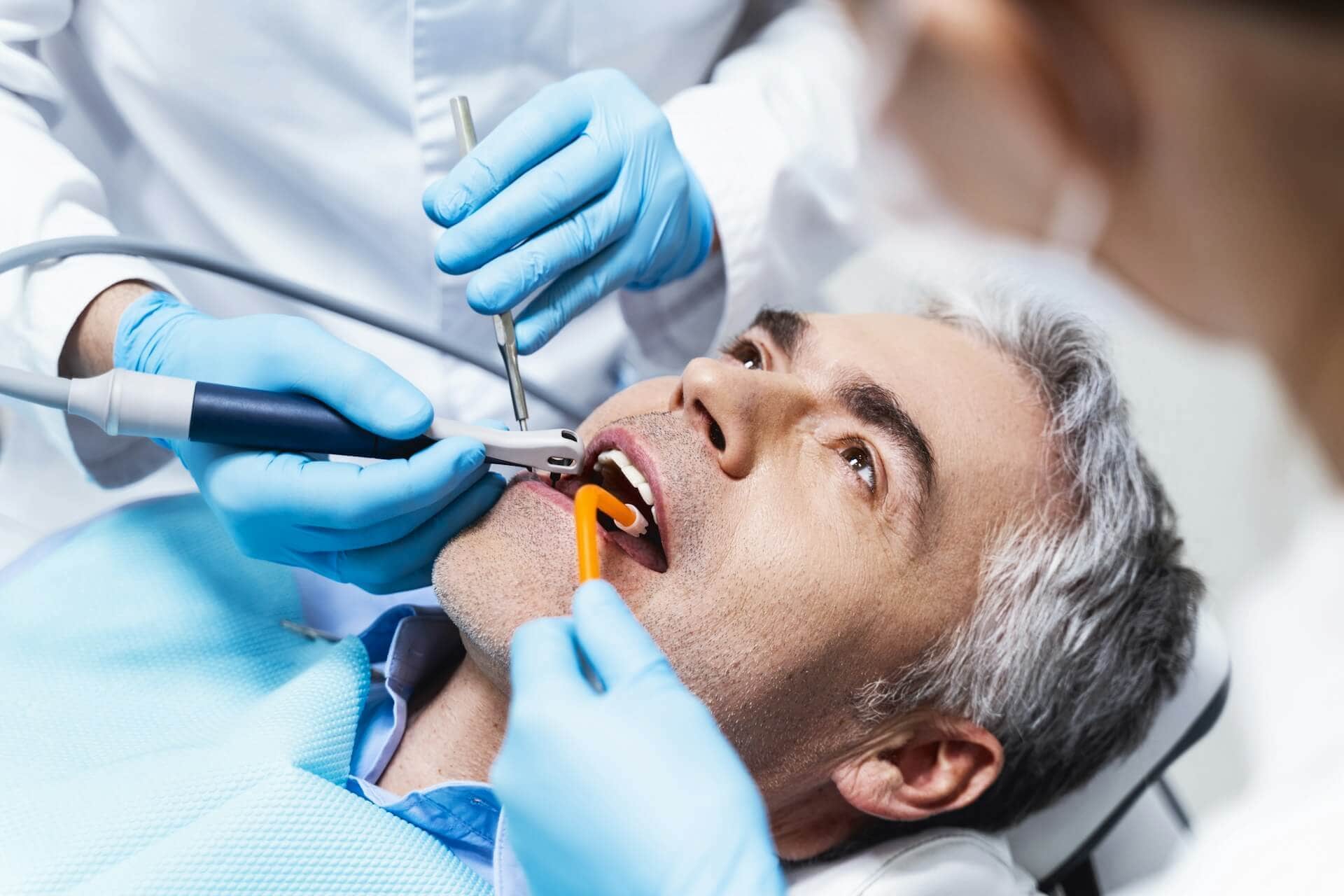
During a routine exam, your dentist looks for wear patterns on the biting surfaces of your teeth. Flat spots, thinned enamel, or small chips in areas that would not normally chip point toward grinding. Intraoral photos, like those used at modern Anaheim dental practices, make it easier to document and compare changes over time.
Your dentist will also check the jaw muscles and joint for tenderness or limited movement. These soft-tissue findings combined with tooth wear give a clearer picture than either finding alone.
When Symptoms Point to a Larger Sleep or Bite Issue
Some patients present with grinding symptoms significant enough to warrant a closer look at their bite or sleep health. If jaw pain is severe, if the grinding appears to be connected to morning fatigue and snoring, or if restorations keep breaking unexpectedly, a dentist may recommend further evaluation.
In those cases, coordinating with a sleep specialist or reviewing orthodontic options can be part of a broader plan. The goal is always to understand the source, not just protect against the damage. With a clear picture of what is happening, treatment becomes much more straightforward.
Treatment Options That Protect Teeth and Reduce Strain
Treating bruxism effectively usually means combining a protective measure with attention to the underlying cause. No single approach works for everyone.
Custom Night Guards for Protection
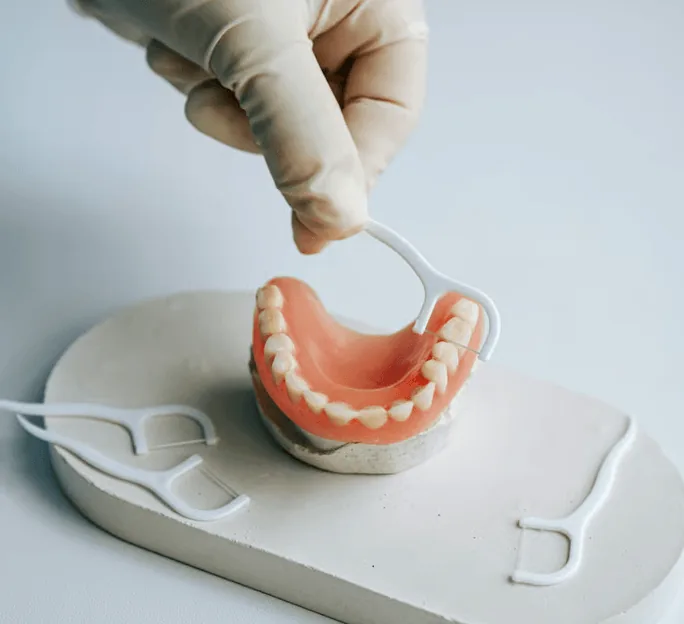
A custom-fitted night guard is the most common and practical first step for protecting your teeth from grinding damage. It works by creating a cushioned barrier between your upper and lower teeth, absorbing the force that would otherwise wear down enamel or stress the jaw joint.
A professionally made guard fits your mouth precisely, which makes it far more comfortable and effective than an over-the-counter option. It does not stop grinding, but it protects your teeth while other factors are being addressed.
Stress Reduction and Behavior Support
For stress-driven bruxism, reducing the source of tension can genuinely reduce grinding over time. Consistent sleep routines, light jaw stretches before bed, and calming wind-down habits all support more relaxed muscle activity at night.
Some patients benefit from professional support, including cognitive behavioral therapy or biofeedback, particularly when anxiety is a consistent underlying factor. These are not dental treatments, but they address what a night guard alone cannot fix.
Treating Bite Problems or Damaged Teeth
If misalignment is contributing to grinding, orthodontic treatment or bite adjustments may be recommended. Teeth that have been significantly worn or chipped may need protective restorations such as dental crowns to restore their shape and strength.
The goal of treating damaged teeth is not just cosmetic. Restoring the biting surface helps the jaw function more comfortably and can reduce the physical stress that contributes to continued grinding.
When Children May Need Monitoring Instead of Immediate Treatment
Children's bruxism is handled differently than adult cases. Because the jaw and teeth are still developing, many children naturally outgrow grinding as their permanent teeth come in, and their bite stabilizes.
A pediatric exam helps confirm whether the grinding is causing any meaningful damage to baby teeth or affecting jaw development. In most cases, watchful monitoring and periodic check-ins are all that is needed rather than immediate intervention. The following section helps you recognize when it is time to move from watching to acting.
When It Is Time to Seek Professional Help
Some bruxism symptoms are mild enough that you might manage them with lifestyle changes for a while. Others signal that waiting is likely to make things worse.
Symptoms That Should Not Be Ignored
Jaw pain or stiffness that is getting worse over weeks or months
Teeth that look noticeably shorter or flatter than before
Persistent headaches most mornings without another clear cause
A tooth that has cracked or broken without a specific injury
Sensitivity that has spread to multiple teeth
Grinding that disrupts your sleep partner regularly
If you recognize several of these at once, a dental evaluation is the right next step. The longer significant grinding continues without protection, the more enamel is lost, and the more strain builds on the jaw joint.
What to Expect From the Next Step in Anaheim
A bruxism evaluation at a dental office in Anaheim is a straightforward, low-pressure appointment. Your dentist will review your symptoms, examine your teeth and jaw, and walk you through the options that fit your specific situation.
You will not leave with a one-size-fits-all recommendation. The conversation takes into account your health history, your bite, and what your day-to-day life actually looks like. That is what a personalized treatment plan means in practice.
Frequently Asked Questions
Why do some people clench or grind their teeth during sleep even if they feel calm during the day?
Sleep bruxism can occur even when you feel relaxed during waking hours. The part of the brain that regulates muscle activity during sleep works differently than conscious control, and factors like sleep stage, breathing patterns, and nervous system activity can all trigger grinding independently of daytime stress levels.
What are the most common signs that nighttime grinding is harming my teeth or jaw?
The most recognizable signs include flat or chipped biting edges, increased sensitivity to cold or sweets, morning jaw soreness, and recurring headaches near the temples. Your dentist can also identify enamel wear patterns that confirm grinding even when your symptoms feel minor.
Can stress, sleep apnea, or certain medications make nighttime grinding worse?
Yes, all three are established contributors to bruxism. High stress levels keep the nervous system activated into sleep. Sleep apnea triggers involuntary jaw activity as the airway struggles to stay open. Certain antidepressants and stimulant medications are also associated with increased grinding frequency.
What at-home steps can help reduce nighttime grinding when a mouth guard is not an option?
Reducing caffeine intake after midday, establishing a consistent wind-down routine before bed, and doing gentle jaw stretches in the evening can all help lower grinding intensity. Applying a warm compress to the jaw muscles before sleep may also reduce overnight tension.
Which foods and drinks tend to trigger jaw clenching or nighttime grinding, and when should I avoid them?
Caffeine is the biggest dietary trigger. Coffee, tea, energy drinks, and even chocolate can increase muscle activity during sleep if consumed too late in the day. Alcohol is another factor; while it may feel relaxing, it disrupts sleep architecture in ways that are linked to more frequent grinding episodes.
When should a child who grinds their teeth at night see a dentist, and what treatment is usually recommended?
A child who grinds regularly should be seen if the grinding is audible and frequent, if they complain of jaw or tooth pain, or if their teeth show visible wear. Most children do not need active treatment right away. A dentist will typically monitor the situation and advise whether any intervention is needed as the permanent teeth come in.
Taking the Next Step Toward Protecting Your Smile
Teeth grinding at night is a manageable condition when it is identified early. The combination of a protective night guard, attention to triggers, and professional monitoring can keep your teeth healthy and your mornings more comfortable.
If you have been noticing jaw soreness, waking headaches, or tooth sensitivity that feels new, those are worth mentioning at your next dental appointment. Catching bruxism before it causes significant enamel loss or joint strain gives you a much easier path forward.
Ready to find out what is behind your symptoms? Schedule your new patient exam at Dentist of Anaheim and let Dr. Hamid Barkhordar take a look. You can request an appointment online or call the office directly at (657) 571-8758.