When veneers may help reshape teeth is something many patients consider when small imperfections begin to affect their confidence. Issues like uneven edges, discoloration, or minor gaps can change how your smile looks and feels.
At Dentist of Anaheim, we often guide patients who want a natural-looking improvement without more extensive procedures. Some smiles need more than whitening alone, especially when shape and proportion are part of the concern.
In this guide, you’ll learn when veneers make sense, what they can and cannot fix, and how the process works from consultation to final results. We’ll also compare veneers with other options so you can feel confident in your decision.
Stains That Bleaching May Not Lift
Some tooth discoloration comes from inside the tooth rather than the surface. This is called intrinsic staining, and it does not respond well to whitening treatments. Causes can include old dental work, certain medications, or natural aging of the enamel.
Veneers cover the front surface entirely, so they can mask deep discoloration that bleaching cannot reach. This provides a clean, bright appearance that looks uniform across your entire smile.
Small Chips, Uneven Edges, and Worn Teeth
A chipped corner or a worn edge changes how a tooth looks in proportion to the rest of your smile.
Veneers can restore that shape without requiring more extensive restorative work. They are a common choice when several front teeth show signs of gradual wear. The material used is color-matched to your surrounding teeth for a seamless blend.
Minor Spacing Issues and How Veneers Close Small Gaps
Veneers can close small gaps between teeth by adding width to the front surface. This works best for minor spacing, not significant crowding, which usually calls for orthodontic treatment instead. This creates a more cohesive look without the time commitment required for braces.
Cases Where Teeth Shape and Size Affect Overall Symmetry
If one or more teeth appear too short, too narrow, or mismatched in size, it affects how balanced your smile looks.
Veneers can bring more proportion and symmetry to the front teeth without altering the bite structure significantly. Achieving this balance can significantly boost confidence in your overall facial aesthetics.
How Veneers Change Color, Shape, and Proportion
Veneers work by covering what is visible on the front surface of a tooth. The result can include a change in shade, a correction in shape, and a more uniform look across multiple teeth. A cosmetic dentist customizes each veneer to fit the tooth and match your smile goals.
Covering the Front Surface for a Balanced Look
Each veneer is shaped and color-matched individually. When several are placed across the front teeth, the result is a more consistent appearance from tooth to tooth. This approach allows the dentist to correct multiple cosmetic issues with a single treatment plan.
Reshaping Teeth Without Major Restorative Work
Veneers add or redefine shape without removing most of the tooth structure. They sit over the front of the tooth rather than replacing it entirely, which is a key difference from crowns. By preserving more of the natural tooth, the procedure remains less invasive than other alternatives.
Why Veneers Are Often Chosen for Front Teeth
Front teeth are the most visible part of your smile, and they show wear, chips, and discoloration more noticeably. Veneers are designed specifically for these visible surfaces, making them a practical cosmetic dental procedure for that area.
They are specifically engineered to handle the aesthetic requirements of the "smile zone" effectively.
What Veneers Can and Cannot Fix
Veneers work well for color, shape, minor gaps, and surface symmetry. They are not a solution for severely misaligned teeth, significant bite problems, or teeth with serious structural damage. In those situations, orthodontic treatment or restorative care may need to come first.
Your dentist will evaluate your bite to ensure veneers are the most durable choice for your needs.
Choosing Between Porcelain, Composite, and Other Options
There are several types of veneers, and each one suits different goals, budgets, and timelines. Porcelain veneers tend to last the longest and resist staining well, while composite veneers offer a faster and more conservative path.
Understanding the differences helps you have a more informed conversation with your cosmetic dentist.
Porcelain Veneers for Durability and Stain Resistance
Porcelain veneers are made in a dental lab and bonded to the tooth in a separate visit.
They mimic the light-reflecting quality of natural enamel closely. Porcelain is also less porous than composite resin, which means it resists staining from coffee, tea, and wine better over time. This makes them a preferred choice for long-term aesthetic results.
Composite Veneers for Conservative Same-Day Changes
Composite resin veneers are applied directly to the tooth by your dentist in a single visit. They can be shaped and polished right away.
Composite veneers are more affordable and require less removal of enamel, though they may not last as long as porcelain. They are an excellent option for patients seeking immediate results with minimal preparation.
No-Prep Veneers and Minimal Enamel Removal
No-prep veneers, like Lumineers, are designed to be placed with little to no enamel removal. They are thinner than traditional veneers and may suit patients who want a more reversible option. Not every tooth shape or bite is compatible with this approach.
However, for the right candidate, they offer a way to enhance the smile without permanent tooth alteration.
Removable Veneers and Snap-On Veneers
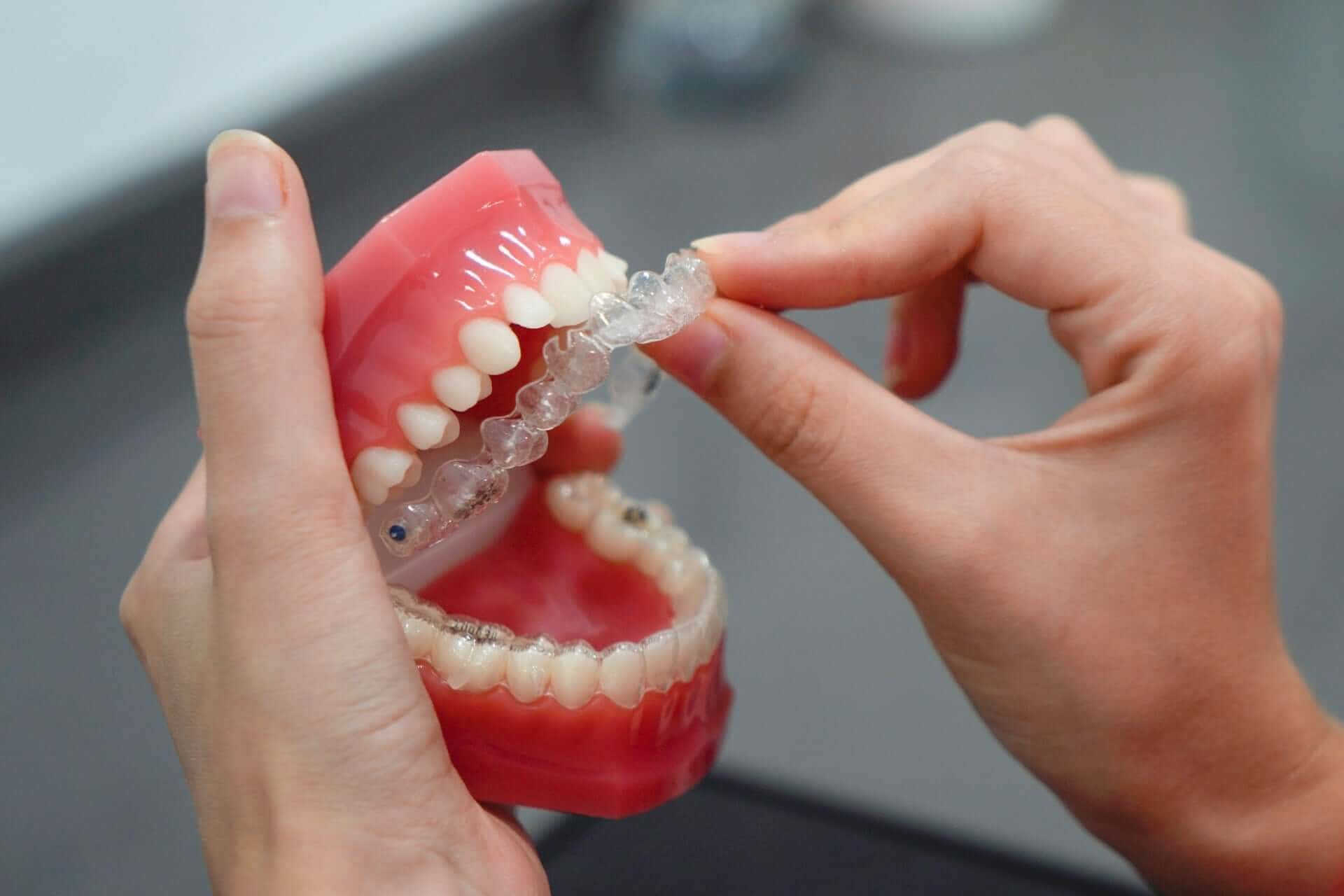
Removable veneers and snap-on veneers are not bonded to the teeth. They clip over existing teeth and are taken out when eating or sleeping. These are considered a temporary cosmetic option and are not a substitute for permanent dental veneers.
They are often used by those who want to see a preview of their new smile before committing to permanent work.
Where Lumineers and Palatal Veneers May Fit
Lumineers are a brand of no-prep veneers suited for patients who want minimal enamel removal.
Palatal veneers are placed on the back surface of upper front teeth and are used more for restorative purposes, such as protecting worn enamel, than for cosmetic change. Both options provide targeted solutions depending on whether the issue is on the front or back of the tooth.
What the Appointment Process Usually Looks Like
The veneer placement process typically takes place over two or more visits. The first focuses on planning and preparation, and the second is for bonding the custom veneers. Your cosmetic dentist will guide you through each step based on your goals and the condition of your teeth.
Consultation, Smile Goals, and Oral Health Checks
The first appointment covers what you want to change and whether your teeth and gums are ready for veneers.
Any existing issues, like cavities or gum concerns, are addressed before treatment begins. This ensures the final result is stable and long-lasting. During this phase, you can also discuss the specific shade and shape you hope to achieve.
Tooth Preparation and Enamel Removal
For traditional porcelain veneers, a thin layer of enamel is removed from the front of each tooth.
This makes room for the veneer to sit flush and feel natural. The amount removed is small but permanent, which is why this step matters when deciding between veneer types. This process ensures the veneers do not look bulky once they are bonded.
Impressions, Shade Matching, and Temporary Veneers
After preparation, impressions are taken and sent to a dental lab. You receive temporary veneers to wear while the custom ones are being made.
Shade matching is done at this stage so the final color fits your natural teeth or your desired brightness. These custom molds ensure that each veneer fits the unique contours of your individual teeth.
Bonding With Dental Cement and Final Adjustments
Once the custom veneers arrive, they are bonded to the teeth using dental cement and cured with a light.
Your dentist checks the fit, bite, and appearance before finishing. Small adjustments may be made to ensure comfort and alignment. This final step transforms the appearance of the teeth immediately upon completion.
Comparing Veneers With Whitening, Bonding, and Crowns
Each cosmetic dental treatment is built for a specific type of problem. Choosing the right one depends on what you actually want to change, not which option sounds most appealing. A cosmetic dentist can help match the treatment to the concern.
Concern | Best Fit |
Surface stains, dullness | Teeth whitening |
Small chip, narrow gap, uneven edge | Dental bonding |
Shape, color, and proportion of front teeth | Porcelain veneers |
Severely damaged or broken tooth | Dental crown |
When Teeth Whitening May Be the Better First Step
If your main concern is that your teeth look dull or stained, and the shape and alignment are fine, whitening is a practical starting point. It is fast, non-invasive, and can lighten teeth by several shades.
It also helps you set a baseline shade before deciding if more cosmetic work is needed. This ensures that any subsequent restorations match your newly brightened smile.
How Dental Bonding Handles Smaller Repairs
Dental bonding uses a tooth-colored composite resin to repair a small chip, cover a gap, or smooth an uneven edge.
It is usually completed in one visit and does not require enamel removal. Bonding is a conservative, reversible fix for isolated concerns on otherwise healthy teeth. It is often the first choice for repairing minor accidental damage to a single tooth.
Veneers vs Crowns for Cosmetic Change Versus Full Coverage
Veneers cover only the front surface of a tooth. Dental crowns cover the entire tooth and are used when significant damage or decay is present.
If the tooth is structurally sound and the concern is cosmetic, veneers are generally the less invasive choice. This allows you to maintain as much of your natural tooth as possible.
When Dental Crowns Are More Appropriate
Crowns are the better option when a tooth has extensive decay, a large old filling, or has been through a root canal. They provide full structural support in a way that veneers are not designed to offer. This makes them essential for restoring functionality to teeth that have weakened over time.
Limits, Risks, and Who Should Pause Before Treatment
Not every patient is ready for veneers right away, and it helps to know the boundaries of what this cosmetic dentistry option can do. Certain health conditions, habits, or bite patterns may need to be addressed first.
Speaking with a cosmetic dentist in Anaheim can help clarify whether the timing is right for you.
Why Healthy Gums and Teeth Come First
Veneers are placed on healthy teeth. If gum disease or untreated cavities are present, those issues are treated before any cosmetic dental procedure begins.
Placing veneers over unhealthy teeth can lead to problems beneath the surface down the road. Ensuring a healthy foundation is critical for the long-term success of any cosmetic work.
Why Oral Health Is Essential Before Cosmetic Treatment
Healthy teeth and gums are necessary before placing veneers. According to the Centers for Disease Control and Prevention (CDC), untreated gum disease or decay can lead to complications if cosmetic work is placed over unhealthy structures. This can affect both comfort and long-term success.
Addressing these issues first ensures that veneers are supported by a stable, healthy foundation. This step helps protect your investment and improves the durability of your results.
The Irreversible Side of Traditional Veneers
Because enamel is removed during preparation, traditional veneers are a permanent commitment.
The tooth will always need a covering after that step is taken. This is worth knowing before you decide between porcelain veneers and lower-commitment options. A permanent change requires careful consideration of your long-term dental goals.
Speech, Eating, and Comfort Considerations With Removable Options
Snap-on veneers and other removable options can feel bulky and may affect speech or chewing.
They are not designed for use while eating in most cases. If you are looking at these as a short-term trial, that context is important to set before making any decisions. Many patients find that permanent options offer much greater comfort and functionality.
Questions to Ask a Cosmetic Dentist in Anaheim
Are my teeth and gums ready for veneers now?
How much enamel would need to be removed?
Which veneer material fits my goals and budget?
What happens if a veneer chips or comes loose?
Are there any bite issues that need to be addressed first?
Longevity, Daily Care, and Cost Planning
Veneers are a long-term investment in your smile, and how well you care for them affects how long they hold up. Material choice plays a big role in both durability and cost. Planning ahead for porcelain veneers cost and follow-up visits helps avoid surprises later.
How Long Different Veneer Materials Tend to Last
Porcelain veneers typically last 10 to 15 years or longer with proper care. Composite resin veneers tend to last 5 to 7 years before they may need replacement or touch-up.
No-prep and removable options vary widely depending on use and material quality. Proper oral hygiene is the most significant factor in extending the life of any dental restoration.
Habits That Help Protect Veneers
Avoid biting fingernails, ice, or hard objects with veneered teeth
Use a night guard if you grind your teeth while sleeping
Brush gently with a non-abrasive toothpaste
Keep up with regular dental cleanings and exams
Avoid excessive amounts of staining beverages if you have composite veneers
What Affects Veneers Cost
The cost of veneers depends on the material chosen, the number of teeth involved, and whether any prep work is needed before placement. Porcelain veneers cost more than composite veneers because of the lab process and material quality.
Geographic location and the experience of your cosmetic dentist also factor into pricing. Many offices provide detailed breakdowns so you can understand the value of your investment.
Planning for Porcelain Veneers Cost and Follow-Up Visits
Most dental insurance plans treat veneers as a cosmetic dental treatment and do not cover them. Ask about payment plans or financing options when scheduling your consultation.
Knowing the full expected cost, including any preparatory care, helps you plan more accurately for your smile makeover. This transparency allows you to budget for both the procedure and future maintenance.
When Veneers Can Be the Right Step for Your Smile
Understanding when veneers may help reshape teeth can make it easier to choose the right path for your smile. When concerns involve color, shape, or minor spacing, veneers offer a way to address them together.
At Dentist of Anaheim, we take the time to understand your goals and evaluate whether veneers are the right fit for you. Every smile is different, and the best results come from a plan that considers both appearance and long-term health.
If you’re thinking about improving your smile, schedule a consultation today. Get personalized guidance and explore whether veneers are the right solution for your needs.
Frequently Asked Questions
When do veneers help reshape teeth?
Veneers help reshape teeth when there are issues with size, shape, or minor spacing. Veneers help reshape teeth by covering the front surface and creating a more balanced look. A dentist can determine when veneers help reshape teeth based on your goals.
Can veneers fix gaps and uneven teeth?
Yes, veneers can fix gaps and uneven teeth when the spacing is minor. Veneers can fix gaps and uneven teeth by adding width and adjusting shape. Larger alignment issues may require orthodontic treatment instead.
Do veneers change the color of my teeth?
Yes, veneers change the color of your teeth by covering the visible surface. Veneers change the color of your teeth to a consistent shade across your smile. This is especially helpful for stains that whitening cannot fix.
Are veneers permanent?
Veneers are permanent when enamel is removed during preparation. Veneers are permanent because the tooth will always need a covering after that step. Some options, like no-prep veneers, may involve less commitment.
How long do veneers last?
Veneers last about 10 to 15 years for porcelain and 5 to 7 years for composite. Veneers last longer with proper care and regular dental visits. Your dentist will explain how long veneers last based on your case.