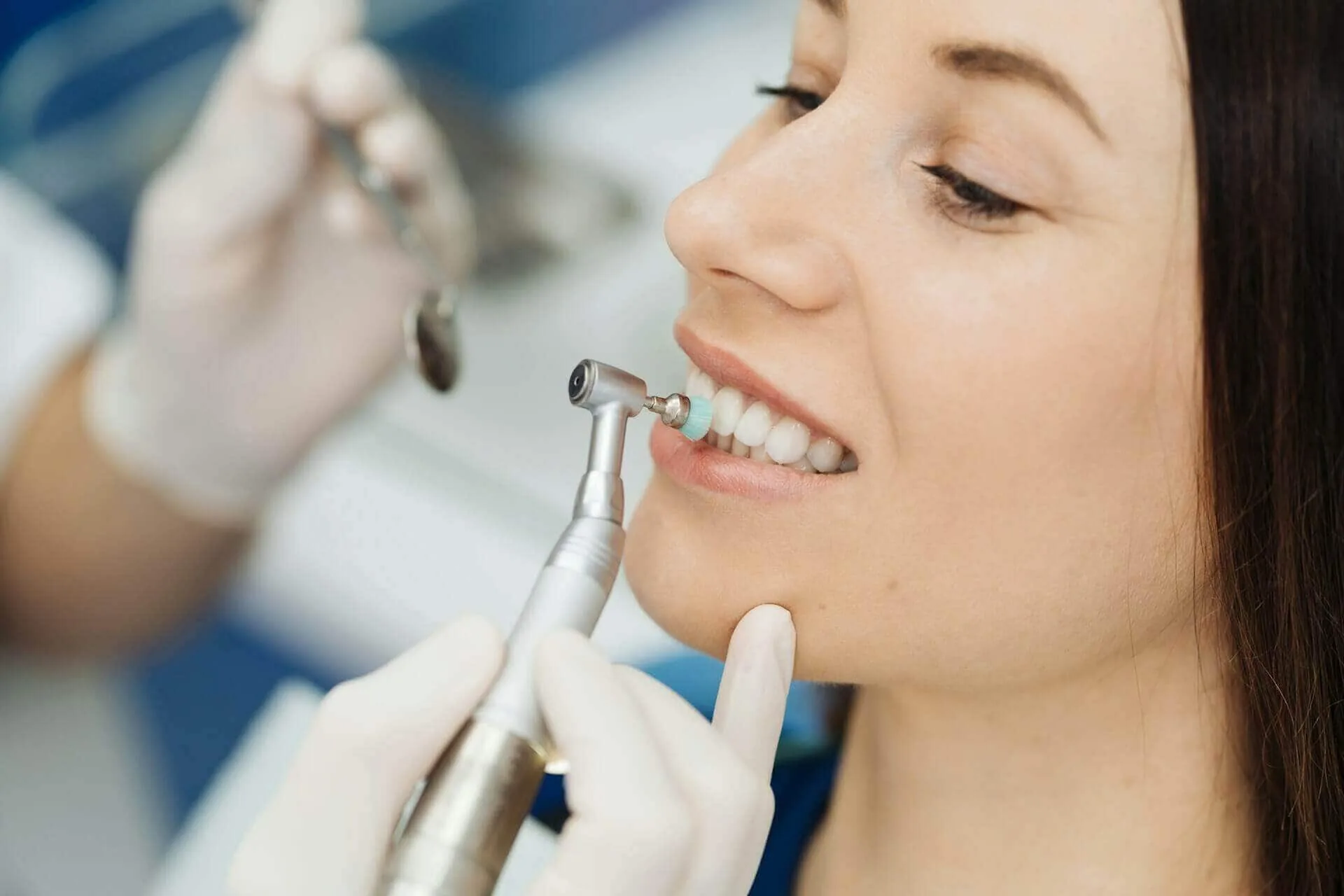
Small chips, uneven edges, or surface stains can make you hesitate to smile, but modern cosmetic dentistry offers fast, natural-looking solutions. Veneers and bonding both restore shape and color with minimal discomfort and quick results. The difference lies in their materials, lifespan, and how much change you want to see.
At Dentist of Anaheim, our specialists craft veneers and bonding using advanced techniques that preserve natural enamel and ensure balanced symmetry and shade. Each treatment is tailored to match your facial features and long-term goals for a natural-looking smile.
This guide explains how veneers and bonding compare in cost, strength, and appearance. You’ll see what each procedure involves, when one is better than the other, and how to maintain results that stay bright and smooth for years.
Key Takeaways
Bonding fixes small flaws quickly and usually costs less.
Veneers last longer and resist stains better.
Choose based on how long you want results and how much change you need.
How Veneers and Bonding Address Small Cosmetic Imperfections
Veneers and bonding both fix chips, shape problems, and small gaps. They differ in materials, tooth prep, cost, and how long the results last.
Best Uses for Minor Flaws
Porcelain veneers fit best when you want a long-term change across several teeth. Porcelain shells cover the front of teeth and mask color, shape, and worn edges. They require some enamel removal and usually two or three visits for impressions, lab work, and final bonding.
Dental bonding uses composite resin—a tooth-colored, moldable material—applied and shaped directly on one visit. Bonding works well for a single chipped tooth, a small gap, or a slightly uneven tooth. It preserves most enamel and costs less than veneers, but it stains and wears faster than porcelain.
Common Smile Concerns They Fix
Both options help with chips, small cracks, and mild shape problems. Porcelain veneers also handle intrinsic discoloration that whitening won’t fix. Veneers can create a uniform size and translucency for several front teeth at once.
Bonding suits quick fixes: fill a small gap, reshape a corner, or smooth an irregular edge. It also repairs minor chips after an injury. If your main issue is stain, bonding can mask it short-term, but you may need touch-ups sooner than porcelain.
Comparing Results for Uneven or Chipped Teeth
For a single uneven or chipped tooth, bonding gives an immediate, conservative result. The dentist sculpts composite resin to match adjacent teeth and cures it with a light. Repairs are fast and often reversible.
For a more even, long-lasting look across multiple teeth, porcelain veneers give better color stability and resistance to staining.
Veneers let the provider control translucency and shape more precisely. They last longer but cost more and require enamel prep. You can start with bonding now and switch to porcelain veneers later.
Treatment Process: Veneers vs Bonding Step by Step
Here’s how each treatment is done, how long it takes, and what changes happen to your tooth. Review these steps to see what to expect during bonding or when getting custom-made porcelain veneers.
Dental Bonding Procedure
Bonding often finishes in one visit that lasts 30–60 minutes per tooth. The dentist first chooses a composite shade to match your teeth. They roughen the tooth surface slightly and apply a bonding agent to help the resin stick.
The dentist sculpts the tooth-colored composite resin directly onto your tooth. They shape it to close gaps, fix chips, or change small contours. After confirming the shape, the resin is hardened with a special light.
Finally, the dentist trims and polishes the bonded area so it blends with your natural enamel. Repairs or touch-ups are usually quick and low-cost. Bonding preserves most of your natural tooth structure and stays reversible in many cases.
Veneer Process Explained
Getting porcelain veneers typically takes two to three visits over a few weeks. At the first visit, the dentist removes a thin layer of enamel from the front of each tooth—usually about 0.3–0.7 mm—to make room for the veneer.
The team takes impressions or digital scans of your teeth. These go to a lab that crafts custom-made porcelain shells shaped and shaded to match your smile. You return when the permanent veneers are ready.
At the placement visit, the dentist checks fit, color, and bite, then bonds the porcelain shells to your teeth with dental cement. They use light to cure the cement and make final adjustments. Porcelain veneers resist stains and can last many years with good care.
Temporary Veneers and Enamel Removal
After enamel removal, the dentist may fit temporary veneers if lab work takes time. Temporaries protect exposed dentin and keep the look while the porcelain shells are being made. They are usually acrylic and not as durable as permanent veneers.
Enamel removal is permanent. Once that thin layer is taken, your teeth will always need some form of coverage, whether new veneers or crowns, in the future. The amount removed depends on your case and the veneer style; minimal-prep options remove less enamel but are not always possible.
When permanent porcelain shells arrive, the dentist replaces temporaries, bonds the custom-made shells, and polishes the margins for a smooth transition between your enamel and the veneers.
Durability, Stain Resistance, and Lifespan
There are clear trade-offs: one option lasts longer and resists stains better, while the other is cheaper and easier to repair. Think about how long you want the change to last and how much maintenance you will do.
How Long Each Option Lasts
Porcelain veneers usually last 10–15 years, and with excellent care, some reach 15–20 years. The ceramic material is strong and holds shape under normal chewing forces. If you clench or grind, a night guard helps protect a long-lasting smile.
Composite bonding typically lasts 3–7 years. The resin wears faster and can chip with hard bites or bad habits. Repairs are simple and can often be done in one visit, making bonding a flexible option for minor smile enhancement.
Stain Resistance Compared
Porcelain is highly resistant to stains from coffee, tea, red wine, and tobacco. The glazed surface repels pigments, so your veneers keep a brighter colour longer. That makes porcelain a good pick if you want a low-maintenance smile makeover.
Composite resin is more porous and absorbs pigments over time. Regular polishing can slow staining, but bonding may need touch-ups or replacement sooner if you drink staining beverages often. Avoiding or rinsing after coffee and wine reduces visible discoloration.
How Material Choice Affects Long-Term Color Stability
According to the Cleveland Clinic, porcelain’s glazed ceramic surface repels stains from coffee, tea, red wine, and tobacco far better than composite resin.
Composite materials are slightly porous, so pigments can settle over time, leading to dullness or discoloration. Regular polishing, avoiding dark beverages, and good daily hygiene reduce staining and extend color stability between touch-ups.
Maintenance Tips for Lasting Results
For porcelain veneers: brush twice daily with a non-abrasive toothpaste, floss daily, and visit your dentist every six months. Use a soft-bristled brush and avoid abrasive whitening pastes that can dull the glaze. Wear a night guard if you grind to prevent chips or cracks.
For composite bonding, follow the same daily care, plus expect occasional polishing or recontouring every few years. Avoid biting hard objects and limit staining foods and drinks. Rinse or brush soon after consuming coffee or wine to extend the bonded surface life.
Both options benefit from routine dental checks to monitor margins, catch wear early, and keep your smile enhancement looking its best.
Making the Right Choice for Your Smile
Weigh the cost, time, and how much change you want. Check if your teeth and gums are healthy enough for each option and discuss realistic results with your cosmetic dentist.
Factors to Consider: Cost, Time, and Personal Goals
Think about how much you want to spend and how long you want the result to last. Composite bonding usually costs less per tooth and is done in one visit. Veneers cost more and often need two visits, lab work, and enamel removal.
If you want a quick fix for a small chip or gap before an event, bonding is fast and affordable. If you want a longer-lasting, high-gloss change for several front teeth, veneers give more consistent color and stain resistance.
Also consider maintenance: bonding may need touch-ups every few years. Veneers can last 10+ years but are harder to repair if damaged. Match the option to your schedule, budget, and how permanent you want the change.
Who Is a Candidate for Each Option
You must have healthy teeth and gums before any cosmetic work. Bonding suits you if you have small chips, thin gaps, or minor shape issues and prefer a lower cost and less invasive approach. Composite bonding works well on front teeth and is simple to repair.
Veneers suit you if you have larger stains, worn enamel, or uneven teeth and want a more uniform, long-term look. You should be willing to have a thin layer of enamel removed.
If your teeth are misaligned, a cosmetic dentist may suggest clear aligners first. If you grind teeth, you may need a night guard regardless of the choice.
Working With a Cosmetic Dentist
Bring photos of the smile you like and clear goals for color, shape, and budget. Ask the cosmetic dentist to show before-and-after cases and explain material choices (composite vs. porcelain, Emax or zirconia).
Ask about the number of visits, total cost per tooth, expected lifespan, and repair options. Request a mock-up or temporary preview when possible so you can see the planned change.
Ensure the dentist checks the bite, gum health, and tooth structure before starting. Get the treatment plan in writing, including follow-up visits and care instructions.
Choosing the Right Fix for a Confident, Natural-Looking Smile
Veneers and bonding both refine your smile, but the best choice depends on how much change you want and how long you want it to last. Bonding is ideal for quick, affordable touch-ups; veneers create lasting, uniform brilliance across multiple teeth.
At Dentist of Anaheim, we craft restorations with precision color-matching and advanced materials to achieve durable, lifelike results.
If you’re ready to refresh your smile, book an appointment today to discover which cosmetic option fits your goals and lifestyle.
Frequently Asked Questions
This section answers common details you’ll want when choosing between bonding and veneers. It covers looks in photos, costs, durability, and how they compare to crowns for small fixes.
What are the visual differences between bonding and veneers in before and after pictures?
Bonding can look very natural for small chips or gaps when matched well to your tooth shade. It blends with your enamel but may show subtle differences in translucency compared with healthy tooth structure.
Veneers give a more uniform and often brighter result across multiple teeth. Photos usually show smoother edges, consistent shape, and a polished, high-gloss finish that stays stable over time.
Can you explain the cost comparison between bonding and veneers?
Composite bonding usually costs much less per tooth, commonly a few hundred dollars. It is a one-visit procedure, which keeps overall costs lower. Porcelain veneers often cost several hundred to a few thousand dollars per tooth. They require lab work and multiple visits, which raises the total price.
How do bonding and veneers stack up against crowns for minor cosmetic corrections?
Bonding and veneers preserve more natural tooth structure than crowns. They are preferred when only the front surface needs improvement. Crowns cover the whole tooth and require more removal of enamel. Crowns suit teeth with large decay, root canal treatment, or structural damage rather than small cosmetic flaws.
Is there a significant difference in durability between dental bonding and veneers?
Yes. Bonding tends to last about 5–7 years on average before repairs or replacement may be needed. It can chip or stain more easily over time. Porcelain veneers commonly last 10–15 years or longer with good care. They resist stains and hold shape better, but still may need replacement eventually.