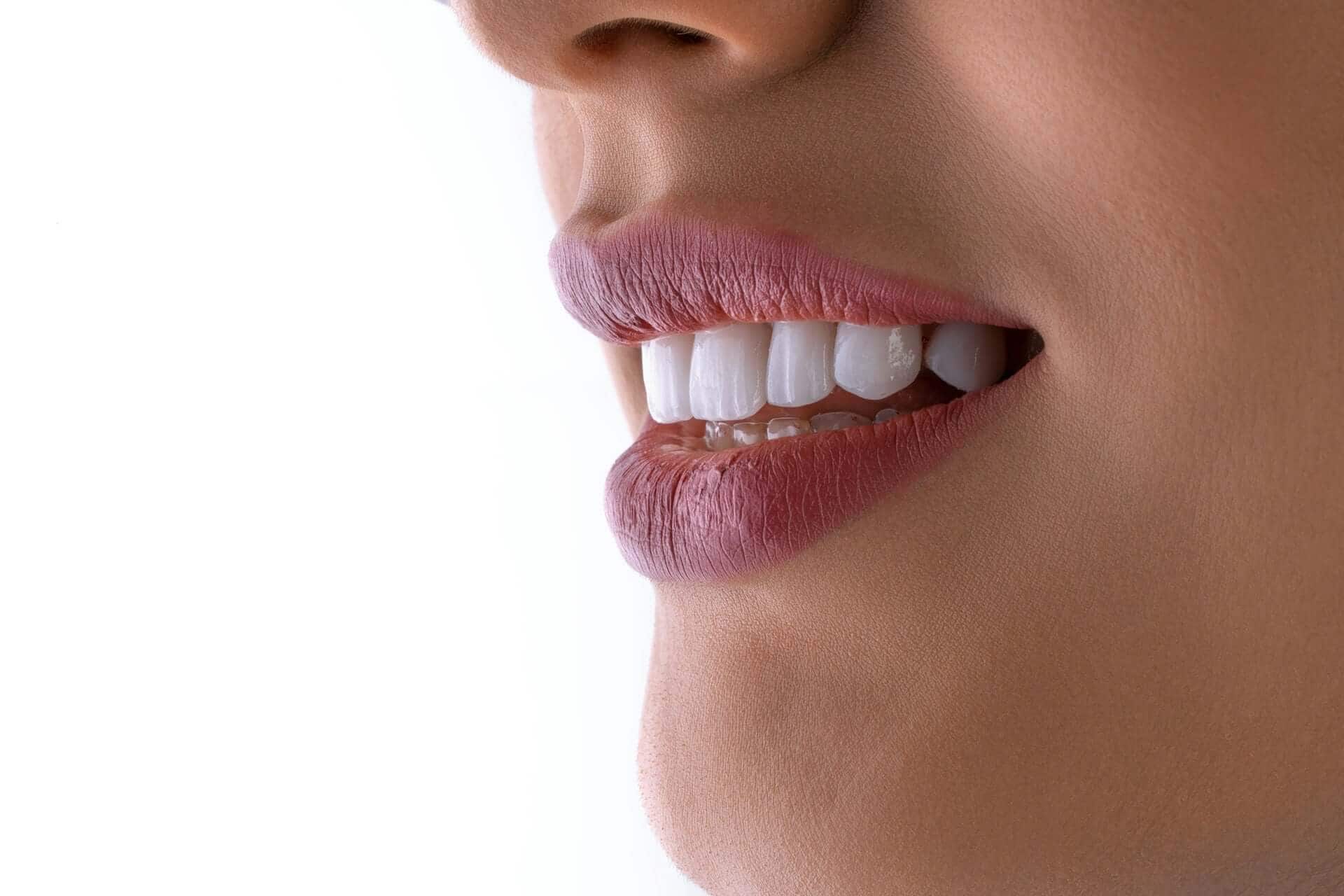
Many people considering orthodontic treatment find themselves drawn to clear aligners in Anaheim as a practical, low-profile path to a straighter smile. For those seeking clear aligners in Anaheim, CA, the convenience of a local office makes regular check-ups simple.
If you are wondering what clear aligners are, they are essentially removable, see-through plastic trays designed to shift teeth without the need for fixed metal. For families and adults who want effective teeth straightening without the visual weight of traditional hardware, aligners have become an increasingly common choice.
At Dentist of Anaheim, we understand that orthodontic treatment is a meaningful commitment, and we take time to walk every patient through their options clearly and honestly. The goal is always a result that supports both oral health and long-term confidence, not just aesthetics.
What follows covers everything worth knowing before starting clear aligner treatment: how the trays work, what conditions they address, what daily wear actually looks like, and how to protect results once treatment ends.
Why So Many Anaheim Patients Choose This Option
Clear aligner treatment appeals to a wide range of patients for reasons that go beyond appearance. For many, the possibility of a shorter treatment time compared to metal braces is a significant draw, especially when correcting minor spacing issues.
The removability, comfort, and relatively predictable timelines make it a strong fit for teens and adults with busy schedules. This flexibility allows patients to maintain their lifestyle while achieving a better smile.
A Discreet Alternative to Traditional Braces
Metal braces are highly effective, but not everyone wants visible hardware on their teeth throughout treatment. Clear aligners are made from smooth, transparent plastic that fits snugly over teeth without drawing attention.
For patients who speak publicly, work in client-facing roles, or simply prefer a subtle look, the nearly invisible profile of clear aligners makes them easier to wear consistently.
Traditional braces remain a reliable option for more complex cases, but for mild to moderate alignment issues, aligners deliver comparable results with far less visibility. This outcome relies on patients wearing their trays for 22 hours per day.
Comfort, Convenience, and Everyday Flexibility
Because the trays are removable, patients can eat without restrictions, brush and floss normally, and take them out for special occasions. There are no brackets to irritate the inside of the cheeks and no wires to snap during meals.
That said, convenience only works in the patient's favor when the trays are actually worn consistently. The discipline of keeping them in for 22 hours per day is a real part of the commitment.
When Invisalign® May Be Part of the Conversation
Invisalign is one of the most recognized clear aligner systems available, and many patients ask about it by name. Invisalign clear aligners use a series of custom-made trays paired with detailed digital planning to guide teeth gradually into alignment. In some instances, the precision of digital planning can lead to a shorter treatment time for less complex alignment needs.
Most cases are completed within 12 to 18 months. A consultation is the right place to determine whether Invisalign or another aligner system is the best fit.
How the Trays Move Teeth Step by Step
The clear aligner treatment process works through a sequence of precisely shaped trays, each one slightly different from the last. The system relies on consistent wear, accurate digital planning, and the body's natural ability to shift teeth through controlled pressure over time.
How Clear Aligners Work in Daily Life
Each tray is designed to apply gentle, targeted pressure to specific teeth. That pressure, maintained over days of consistent wear, encourages the surrounding bone tissue to remodel, allowing teeth to shift incrementally.
After wearing one tray for the prescribed period, typically about two weeks, the patient moves on to the next tray in the series. That next tray reflects the position teeth should have reached, and it continues the movement from there. The cumulative effect of each tray builds toward the final planned position.
Custom Scans, Planning, and Custom-Made Aligners
The process begins with digital impressions or 3D scans rather than traditional putty molds. These scans capture a precise map of the teeth and bite, which is used to plan out the full sequence of movements before a single tray is made.
The result is a full set of custom-made aligners produced specifically for each patient's dental structure. Patients can often see a digital preview of their projected results before treatment even begins, which helps set realistic expectations from the start. Our dental technology supports this kind of precise, digital-first planning.
Why Wear Time Matters for Results
Clear aligner treatment requires wearing the trays for 20-22 hours a day. This is not a suggestion. Falling short of the recommended wear time slows tooth movement and can throw off the entire sequence of trays.
Patients who remove trays frequently throughout the day or skip wearing them overnight often find that later trays no longer fit correctly. Staying consistent with 20-22 hours daily is what keeps the treatment on schedule and the results predictable.
Problems They Can Correct and When Braces May Be Better
Clear aligners are effective for a meaningful range of orthodontic issues, but they are not the right tool for every situation. Knowing where they work well and where traditional options perform better helps patients make informed decisions.
Crowding, Spacing, and Bite Issues
Clear aligners handle many common alignment concerns well:
Mild to moderate crowding: Teeth that overlap slightly or sit too close together
Spacing and gaps: Extra space between teeth that affects appearance or function
Overbite and underbite: Cases where the upper or lower teeth extend too far forward, if the degree is moderate
Crossbite: When upper teeth sit inside lower teeth in certain areas of the mouth
These are the cases where aligner therapy tends to deliver reliable, comfortable results.
Open Bite, Jaw Comfort, and Related Concerns
An open bite, where upper and lower front teeth do not meet when the mouth is closed, can sometimes be addressed with clear aligners, depending on its severity. When bite misalignment contributes to jaw discomfort or tension, properly aligned teeth can reduce that strain over time.
It is worth noting that some jaw pain has causes beyond tooth position. If jaw discomfort is a concern, a full evaluation helps clarify whether orthodontic treatment is part of the answer.
Cases That May Still Need Traditional Orthodontics
Some situations require more precise control over tooth movement than aligners can provide. Severely rotated teeth, large vertical discrepancies, and cases involving significant bite correction often respond better to metal braces or ceramic braces.
Patients with dental bridges may also find that clear aligners are not compatible with their existing restorations. A thorough consultation determines which path fits the actual clinical picture.
What Treatment Feels Like From Start to Finish
Clear aligner treatment follows a predictable sequence from the first visit through the final tray. Knowing what to expect at each stage makes the process easier to navigate and easier to stick with.
Your First Visit and Digital Evaluation
Starting clear aligner treatment involves a detailed dental evaluation and digital scans of the teeth and bite. These scans feed into a custom treatment plan that maps out the full series of tray movements before fabrication begins.
Patients leave the first visit with a clearer picture of what treatment will involve, how long it is expected to take, and what the projected outcome looks like. This is also the right time to ask questions about wear requirements, cleaning, and what to expect during the first few weeks. New patients can schedule a visit to start that conversation.
Regular Check-Ups and Switching Trays
Once treatment begins, regular check-ups are scheduled every six to eight weeks. These appointments allow the care team to confirm that teeth are tracking correctly with the custom treatment plan and to provide the next set of trays.
Check-ins are shorter than traditional adjustment appointments since there are no wires to tighten. Still, they are an important part of keeping treatment on course and catching any issues early.
Temporary Discomfort and Tips for Staying on Track
Mild pressure or tightness when switching to a new tray is normal. It is a sign that the tray is doing its job. This temporary discomfort usually fades within a day or two and is typically much milder than the soreness associated with wire adjustments in traditional braces.
A few practical habits help patients stay consistent throughout clear aligner treatment:
Switch to a new tray at night so the first hours of adjustment happen during sleep
Keep a case on hand to avoid losing trays when they are removed for meals.
Rinse trays with cool water when removing them; avoid hot water, which can warp the plastic.
Clean trays gently each day with a soft toothbrush; avoid colored soaps or toothpaste with abrasives
Keeping Your Smile in Place After Treatment
Completing the final tray does not mean teeth are permanently fixed in their new positions. Without retention, teeth have a natural tendency to drift back toward their original locations. Retention is a required part of any successful orthodontic outcome.
Why Retainers Matter
After clear aligner treatment ends, the bone and soft tissue surrounding the teeth are still stabilizing. A retainer holds teeth in their corrected positions while that stabilization happens. Skipping retention, or wearing a retainer inconsistently, is one of the most common reasons patients see their results shift over time.
The period right after treatment is when retention matters most, though most patients benefit from wearing a retainer indefinitely in some capacity.
Removable Options vs. a Permanent Retainer
Patients generally choose between two types of retainers. A removable retainer, often clear and similar in appearance to an aligner tray, is worn for a prescribed number of hours each day or night. A permanent retainer is a thin wire bonded to the back of the front teeth, invisible from the outside, and always in place.
Both options are effective. The right choice depends on the patient's case, habits, and long-term preferences. Some patients use a combination of both.
Long-Term Habits That Protect Your Results
Wearing a retainer as directed is the single most important habit after treatment. Beyond that, keeping up with routine cleanings and preventive care supports overall tooth and gum health, which in turn protects the alignment that was achieved.
Teeth can shift at any age, and the investment made during treatment is worth protecting with consistent follow-through afterward.
Frequently Asked Questions
Am I a good candidate if I have crowding, gaps, or a mild bite issue?
Most patients with mild to moderate crowding, spacing, or bite concerns are good candidates for clear aligner treatment. More complex cases, including severe rotation or significant bite discrepancies, may require a different approach. A full evaluation is the only reliable way to confirm which option fits your specific dental situation.
What if I forget to wear my trays consistently? Will it affect my results?
Wear time of 20-22 hours daily is essential for teeth to move on schedule. Missing hours regularly can cause teeth to fall behind the treatment plan, which may mean that later trays no longer fit correctly. Patients who struggle with consistency sometimes find it helpful to set daily reminders and develop a routine around meals and cleaning.
How does clear aligner treatment compare to braces for someone with a busy schedule?
Clear aligners often fit more easily into a busy lifestyle because there are no food restrictions, no wire adjustments, and check-in appointments are generally brief. That said, the responsibility of managing tray wear time, keeping trays clean, and not misplacing them falls entirely on the patient. Braces, by contrast, stay in place without any daily effort from the patient. The right fit depends on the patient's case and their honest assessment of their own habits.
What happens if my teeth start shifting after treatment ends?
Some degree of minor movement is common if retainer use becomes inconsistent. Catching it early, before significant relapse occurs, gives the care team more options for correction. Wearing the retainer as directed from the start is far simpler than addressing movement after it has already happened. Ongoing orthodontic support is available to address any concerns that come up after treatment.
A Flexible Orthodontic Option for Modern Lifestyles
Choosing clear aligners, Anaheim patients can rely on, which gives teens and adults a more discreet and flexible way to straighten teeth while maintaining their normal routines. Clear aligner treatment combines customized digital planning with removable trays that gradually shift teeth into alignment without brackets or wires.
For patients balancing work, school, family schedules, or social commitments, the convenience and comfort of aligners often make orthodontic treatment feel more manageable and approachable.
Successful clear aligner treatment depends on consistency, personalized planning, and ongoing support throughout the process. Wearing trays as directed, attending regular check-ins, and following through with retainers after treatment all help protect long-term results.
While aligners work well for many mild to moderate alignment concerns, an experienced orthodontic team can help determine when clear aligners or traditional braces are the better fit for a patient’s specific needs.
At Dentist of Anaheim, patients receive personalized orthodontic care designed around comfort, convenience, and long-term oral health. From clear aligners and metal braces to ongoing family dentistry and emergency dental care, the office combines advanced technology with compassionate care to help Anaheim patients build healthier, more confident smiles.