Choosing between ceramic braces and metal braces is one of the most common questions patients bring to their first orthodontic consultation. This comparison is essential because these are two of the most popular orthodontic braces used today. Both options straighten teeth effectively using the same bracket-and-wire system, yet they feel and look quite different in everyday life.
The decision touches on appearance, budget, durability, and personal habits. When families ask which braces are better for their needs, we explain that there is rarely a single right answer for everyone. Traditional metal braces remain a popular choice among the different types of braces available to families. At Dentist of Anaheim, we help patients of all ages sort through these choices with clear, honest information.
Families in Anaheim come to us with different priorities, from teens who want a low-profile look to parents looking for the most durable option for an active child. The sections below compare both types of braces across the factors that matter most, including how they look, how they hold up, and how to choose the option that truly fits your life.
The Real Difference You Notice First
The most immediate difference between ceramic and metal braces is visual. Ceramic brackets blend with tooth color while stainless steel brackets stand out clearly against enamel. These cosmetic distinctions often drive the initial conversation, though the practical details are just as important.
Why Tooth-Colored Brackets Appeal to Adults and Teens
Ceramic brackets are made from a translucent or tooth-colored material that closely matches natural enamel. From a normal conversational distance, they are much harder to spot than metal brackets.
This is why ceramic braces are popular with adults in professional settings and older teens who are self-conscious about their appearance. They pair well with tooth-colored or frosted archwires for an even more subtle overall look.
Why Stainless Steel Still Wins on Visibility and Simplicity
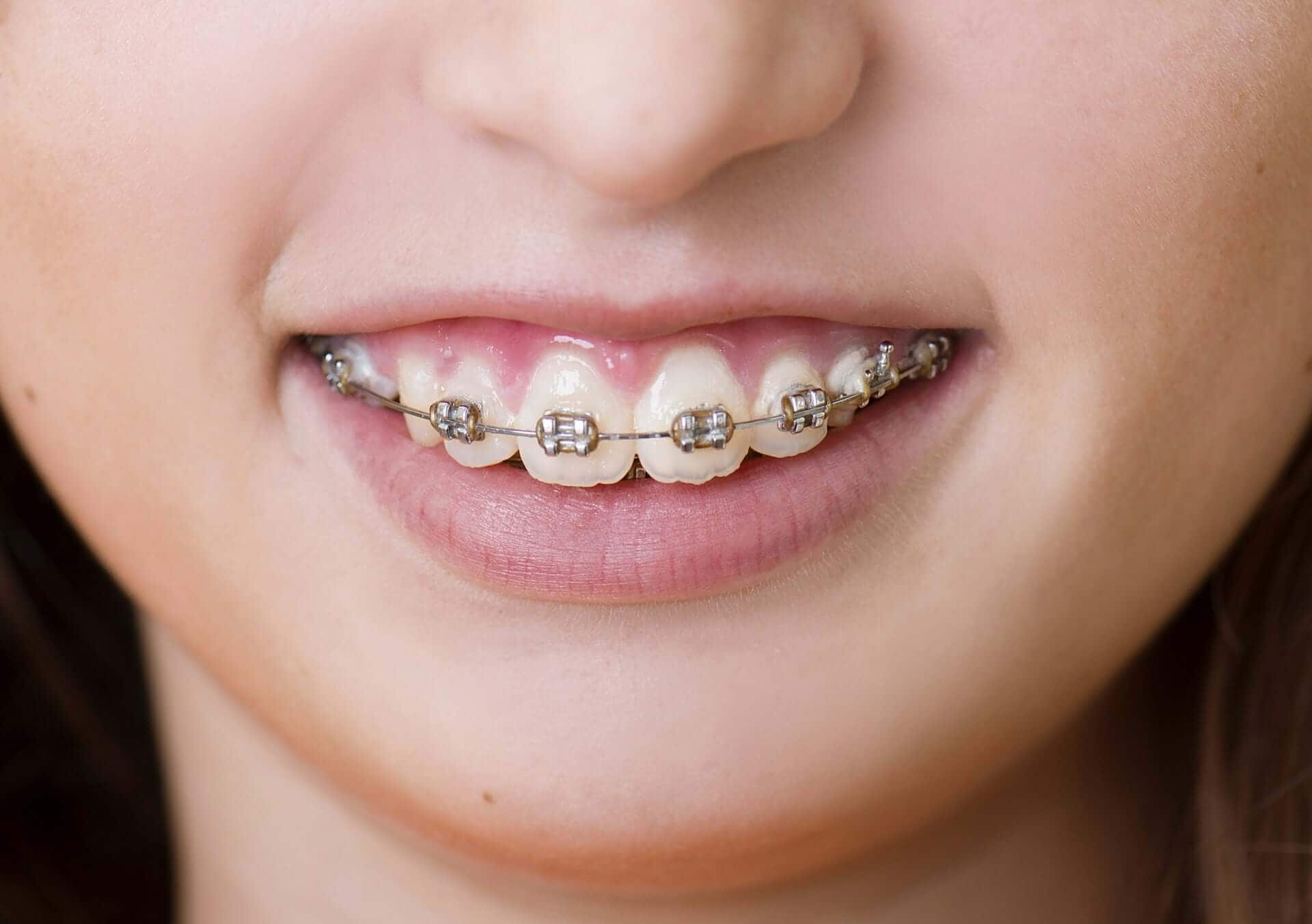
Metal braces are visible, and most patients know that going in. Traditional metal braces stand out against teeth, but many patients, especially younger kids, embrace that look.
One appealing feature of traditional braces is the ability to use colorful elastic bands. At every adjustment visit, patients can swap in new colors to show school spirit or mark holidays. For patients who are not concerned about appearance during treatment, metal braces offer straightforward, reliable results.
How Brackets and Wires Create Different Looks
Both systems use specific brackets and wires to guide teeth into the correct position. With ceramic braces, the brackets and often the wire blend into the background. With metal braces, the silver hardware is clearly visible.
The overall visual difference is significant in photos and face-to-face interactions. This is why many adults specifically seek out tooth-colored options when they begin orthodontic treatment.
How Each Option Moves Teeth Day to Day
Both ceramic and metal braces rely on the same core mechanics. The distinctions come at the design level, specifically whether the system is conventional or self-ligating. Other orthodontic appliances, like clear aligners, occasionally come up during these conversations as well.
The Shared Mechanics Behind Fixed Braces
Both types of orthodontic braces use brackets bonded to each tooth, connected by an archwire. The wire applies steady, gentle pressure that gradually shifts teeth into proper alignment over time. Whether the brackets are ceramic or stainless steel does not change the fundamental process used to straighten teeth.
Treatment speed is a common question during consultations. Teeth move at roughly the same rate regardless of bracket material. Both options straighten teeth effectively, assuming the case complexity is similar. However, metal brackets can sometimes handle the intense pressure needed for severe crowding slightly more efficiently.
Where Self-Ligating Designs Change the Experience
Some brackets, both metal and ceramic, use a self-ligating design. Instead of elastic ties to hold the archwire, a built-in clip or door mechanism does the job.
Self-ligating braces can reduce friction along the wire and may require fewer adjustment appointments. Both self-ligating metal brackets and self-ligating ceramic brackets are available, and your orthodontist can walk you through whether this design makes sense for your case.
When Clear Aligners or Lingual Braces May Come Up
During your consultation, your orthodontist might also mention Invisalign® or lingual braces as alternatives. Clear aligners are removable plastic trays that work well for mild to moderate cases, while lingual braces are placed on the inside surfaces of teeth for complete invisibility.
These options are not right for every case, but they are worth discussing if fixed braces feel like a poor fit for your lifestyle.
Speed, Strength, and Everyday Trade-Offs
Metal braces generally handle demanding cases more easily, while ceramic braces work well for most standard treatment plans. Understanding the pros and cons of each helps set realistic expectations before treatment begins.
The Pros and Cons of Metal Braces
When looking at the pros and cons of metal braces, durability is their greatest advantage. Stainless steel brackets are strong and allow for precise adjustments across a wide range of orthodontic needs.
For complex bite corrections, orthodontists often prefer metal because of the control it provides. The main downside is the metallic aesthetic, which some patients find less desirable than discreet options. However, their cost-effectiveness makes them a top choice for many families.
The Pros and Cons of Ceramic Braces
The pros and cons of ceramic braces center on the balance between aesthetics and fragility. The primary benefit is their discreet appearance, making them almost invisible from a distance. They are an excellent orthodontic appliance for professionals and socially active teens.
On the downside, ceramic material is more brittle than metal. This can lead to a higher risk of bracket breakage if patients consume hard or crunchy foods. While they are highly effective, they may also be slightly more expensive than traditional metal options.
Durability and Potential Setbacks
The durability of metal makes it the standard recommendation for younger patients or those who play contact sports. Bracket breakage is far less common with metal, which means fewer unplanned repair visits. This is an important factor when considering the total time spent in the office.
Modern ceramic brackets are stronger than earlier versions, but they still require more care. A broken bracket may add time to treatment, so patients who choose ceramic should be mindful of foods like hard candy and tough bread crusts.
Staining, Cleaning, and Keeping Braces Looking Good
A common concern with ceramic braces is whether they will discolor over time. The short answer is that the brackets themselves resist staining well, but the clear elastic ties that hold the archwire can absorb color from food and drinks.
Do Ceramic Braces Stain, or Is It Usually the Ties?
Ceramic brackets are made from stain-resistant materials and generally maintain their color throughout treatment. However, the clear elastic ties can pick up pigment relatively quickly from coffee, tea, or tomato-based sauces.
Since these ties are replaced at every adjustment appointment, any staining they develop is temporary. If stain risk is a major concern, your orthodontist can use ties that better match your diet or offer tips for minimizing discoloration.
Foods, Drinks, and Habits That Affect Appearance
Patients who choose ceramic braces should be aware of a few practical habits that help keep them looking clean between appointments.
Rinse your mouth with water after consuming pigmented foods or drinks.
Use a straw when drinking coffee, tea, or dark sodas.
Brush promptly after meals rather than waiting.
Consider opting for colored ties instead of clear ones if staining is a concern.
Smoking is one of the fastest ways to discolor both ties and brackets, so patients who smoke should factor this into their decision. Keeping up with orthodontic care is the best way to ensure a bright smile throughout treatment.
Simple Orthodontic Care Tips for a Cleaner Smile
Good orthodontic care is important for both appearance and tooth health. Brushing after every meal, flossing daily with a floss threader, and using a fluoride rinse all contribute to a cleaner result.
Regular dental cleanings and preventive checkups throughout your orthodontic treatment help catch any buildup around brackets before it becomes a bigger problem.
Choosing Based on Age, Budget, and Lifestyle
The best types of braces depend on a patient's specific situation. When considering ceramic braces vs metal braces or Invisalign, patients often ask which braces are better for their lifestyle. Age, activity level, budget, and personal appearance goals all play a role in this decision.
Factor | Metal Braces | Ceramic Braces |
|---|---|---|
Appearance | Visible, silver brackets | Tooth-colored, discreet |
Durability | Very high | Moderate to good |
Cost | Lower | Slightly higher |
Stain risk | Minimal | Ties may stain |
Best for | Kids, complex cases, sports | Teens, adults, professionals |
Color options | Yes, elastic bands | Limited |
A Good Fit for Kids, Teens, and Adults
Young children generally do well with metal braces because of their durability and lower cost. Teens often weigh both options depending on how much they care about appearance during treatment.
Adults, especially those in professional settings, frequently lean toward ceramic braces for their subtlety. Both options are appropriate across a wide age range, and the right choice depends more on priorities than age alone.
Sports, Busy Schedules, and the Need for Durability
For patients who play contact sports, metal brackets are generally the safer choice. A broken ceramic bracket during practice or a game is inconvenient and may affect treatment progress. An orthodontic mouthguard is recommended for anyone in contact sports, regardless of bracket type.
Patients with busy schedules who want to minimize orthodontic appointments may also prefer metal braces for their lower breakage rate. Reducing the likelihood of bracket breakage ensures that your treatment stays on track with fewer emergency visits.
How Your Orthodontist Helps You Decide
Your orthodontist will review your bite, tooth alignment, and overall case complexity before recommending a bracket type. For many patients, both options are clinically appropriate, and the final choice comes down to appearance and budget.
If you are ready to explore your options, you can schedule a new patient appointment and get a personalized treatment plan. You can also review orthodontics FAQs to come prepared with the right questions. Flexible payment options help make treatment more accessible for Anaheim families.
Frequently Asked Questions
Does the material of my brackets affect how my teeth feel between adjustments?
Both metal and ceramic braces can cause some tenderness for a day or two after each adjustment. Ceramic brackets often have slightly smoother edges, which some patients find more comfortable against the lips and cheeks. Metal brackets may cause mild initial irritation, but most patients adapt within the first few weeks.
That said, comfort differences between the two are generally minor. Individual sensitivity and case complexity tend to have a bigger effect on how braces feel than the bracket material itself.
If I need a bracket repaired during ceramic braces treatment, how does that affect my timeline?
A broken ceramic bracket does require a prompt repair visit, since the affected tooth will not receive the correct pressure until the bracket is replaced. Depending on how long the bracket stays off, a break can add a small amount of time to your overall treatment.
Patients who experience multiple bracket breaks may see a more noticeable effect on their treatment length. Consistent care and dietary habits significantly reduce this risk throughout treatment.
Can I switch from one type of braces to the other partway through treatment?
Switching bracket types during treatment is possible in some cases, but it is not always straightforward. Your orthodontist would need to evaluate whether the change is clinically appropriate at that stage. Most patients who want to straighten teeth and are considering ceramic braces vs metal braces find it easier to make that decision before treatment begins.
Starting with a clear goal in mind helps avoid changes later. During your consultation, be open about your appearance preferences and budget so your orthodontist can guide you toward the right fit from the start.
Do both options require the same type of retainer once treatment is finished?
Yes. Once your braces come off, both metal and ceramic brace patients typically need dental retainers to hold their teeth in their new positions. The type of retainer recommended depends on your bite and your orthodontist's clinical judgment.
Wearing your retainer as prescribed is one of the most important steps after finishing treatment. Skipping retainer wear is one of the most common reasons teeth gradually shift back after braces.
Finding The Right Bracing Option for Your Lifestyle and Goals
Choosing between ceramic braces and metal braces often comes down to balancing appearance, durability, lifestyle, and treatment needs. Both options are highly effective for straightening teeth and correcting bite issues, but each fits differently into everyday routines. While metal braces remain the most durable and cost-effective choice for complex cases, ceramic braces offer a more discreet appearance that appeals to many teens and adults seeking a lower-profile orthodontic option.
For Anaheim families, the right decision often depends on personal priorities, treatment complexity, and long-term consistency with orthodontic care. Understanding the differences in maintenance, visibility, durability, and lifestyle impact helps patients make a more confident choice before treatment begins. Whether treatment involves traditional braces or clear aligners, staying consistent with appointments and oral hygiene habits remains essential for successful results.
At Dentist of Anaheim, patients receive personalized orthodontic treatment plans designed around comfort, efficiency, and long-term oral health. From metal braces and clear aligners to ongoing family dentistry and emergency dental care, the office combines modern technology with compassionate care to help Anaheim patients achieve healthier, more confident smiles.