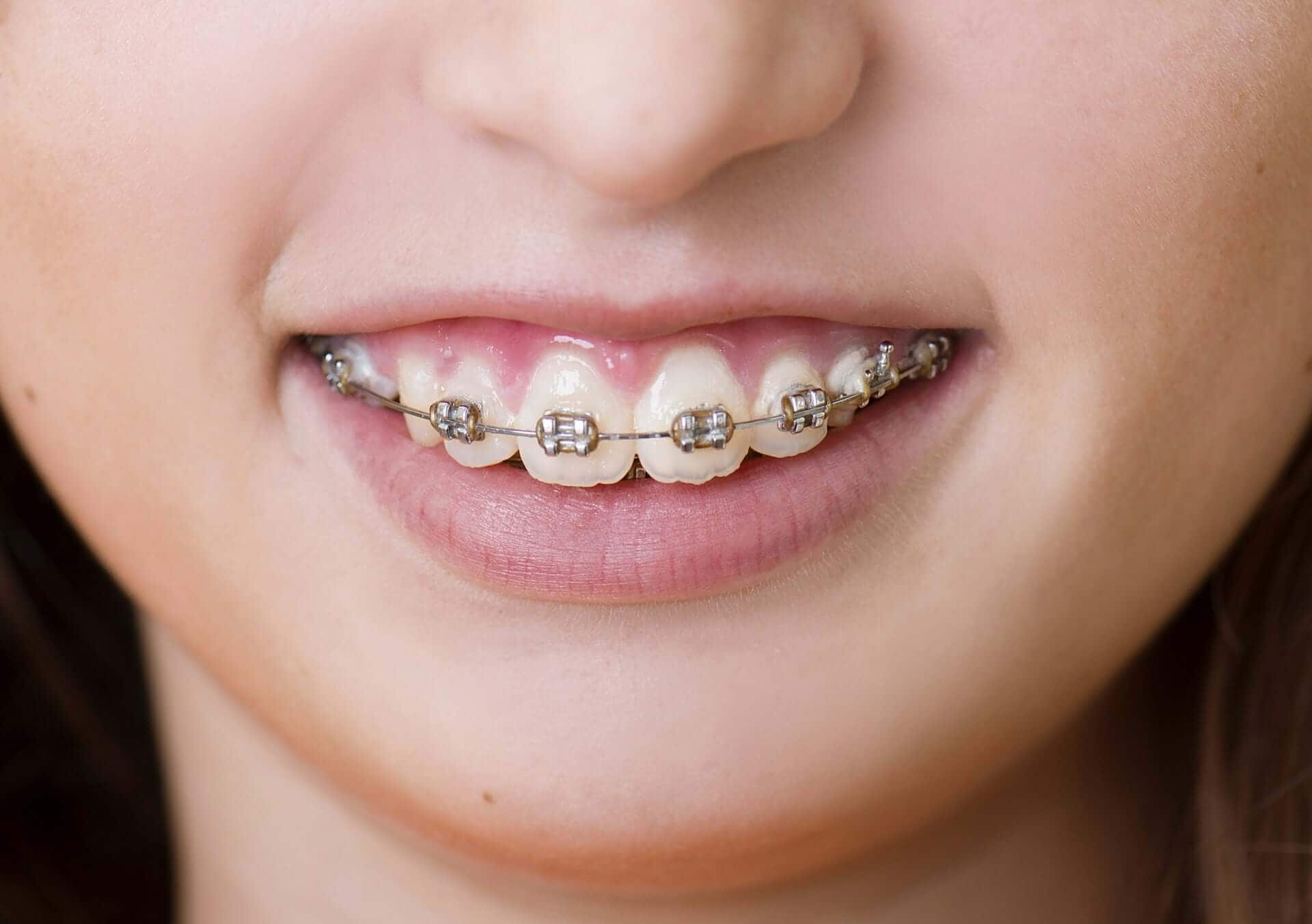
Adopting brace-friendly routines that support smoother orthodontic progress is one of the most practical things you can do once your orthodontic treatment begins. These habits are essential for anyone working toward a confident smile. The hardware does its job over time, but following practical braces care tips between appointments shapes how predictable and efficient that process becomes.
Orthodontic treatment works best when your home habits match the care your provider delivers in the office. At Dentist of Anaheim, customized treatment plans are built around your specific goals, whether you use traditional braces or clear aligners. These results depend heavily on what happens outside the clinic. Good routines protect your appliances, keep your teeth and gums healthy, and reduce the chance of setbacks.
The seven routines below cover oral hygiene, diet, appliance care, discomfort management, and more. Each one is straightforward to build into your day, no matter how busy your schedule looks.
1. Build a Daily Cleaning Routine That Actually Fits Real Life
Braces create more surfaces where plaque and food can collect. Effective braces care requires a system that accounts for brackets and wires to keep your healthy teeth and gums. Using the right tools makes the orthodontic treatment process faster and more thorough.
Brushing With Braces Without Missing the Gumline
A soft-bristled orthodontic toothbrush works better than a standard brush because its shape allows it to reach around brackets. Use fluoride toothpaste and angle the brush at 45 degrees toward the gumline. Brush each tooth individually, spending a few seconds above and below each bracket.
Missing the gumline leads to inflammation and white-spot lesions. Brushing after every meal, not just morning and night, reduces plaque buildup significantly.
Flossing Around Wires With the Right Tools
Traditional floss is difficult to thread under archwires, but floss threaders make it manageable. Thread the floss through the loop, pass it under the wire, and slide it gently between teeth. Repeat for each space.
Using orthodontic floss with a stiff end works similarly to help you navigate around brackets and wires. Water flossers are another strong option, especially for patients who struggle with threaders. Specialized interdental brushes can also clean between brackets, and keeping an interdental brush in your kit ensures you can clean up after any meal.
Easy On-the-Go Habits for School, Work, and Busy Days
A braces emergency kit keeps your routine going no matter where you are. Pack a travel toothbrush, fluoride toothpaste, and floss threaders or a small water flosser.
Rinsing with a fluoride rinse at night adds another layer of enamel protection. Mouthwash does not replace brushing, but it helps clear debris and supports healthy gums between brushings.
2. Choose Braces-Friendly Foods That Help You Avoid Setbacks
Choosing braces-friendly foods directly affects how long your treatment takes and how many repair appointments you need. Broken brackets and bent wires from food choices are common reasons treatment gets delayed. Eating smart protects the hardware and keeps tooth movement on schedule.
What to Eat During the First Sore Days
Your teeth will feel tender for several days after getting braces and after each adjustment. Sticking to soft foods during this period reduces discomfort and makes eating manageable.
Good options include:
Yogurt and smoothies
Scrambled eggs and soft-boiled eggs
Mashed potatoes and soft-cooked vegetables
Soft pasta and rice
Ripe bananas and soft fruits
Soup and broth
Foods More Likely to Damage Braces
Some foods put brackets and wires at risk of breaking. Avoiding them consistently reduces emergency visits and keeps your treatment timeline intact.
Food Type | Examples | Risk |
|---|---|---|
Hard foods | Raw carrots, hard pretzels, ice | Can crack or loosen brackets |
Sticky foods | Caramel, gummies, taffy | Can pull off brackets or bend wires |
Chewy foods | Bagels, hard rolls, jerky | Puts excessive pressure on wires |
Crunchy snacks | Chips, popcorn, hard crackers | Can break brackets and get stuck |
Small Eating Habits That Make Appliances Last Longer
Cutting firm foods into small pieces before eating reduces the force needed to bite through them. Slicing apples, sandwiches, and similar foods protects both brackets and the teeth themselves.
Chewing with your back teeth instead of biting directly with your front teeth also reduces stress on the front brackets. Avoid chewing on pen caps or fingernails, as these habits cause the same type of damage as hard foods.
3. Wear Elastics Exactly as Directed
Elastics create the force needed to align your bite, and they only work when they are worn as instructed. Most orthodontists direct patients to wear them 20 to 22 hours per day, removing them only to eat and brush.
Missing hours regularly means the teeth return slightly toward their original position between wearings. This can make treatment longer. Keep extra elastics in your bag or backpack so you can replace them immediately after meals.
4. Maintain Aligner and Retainer Habits
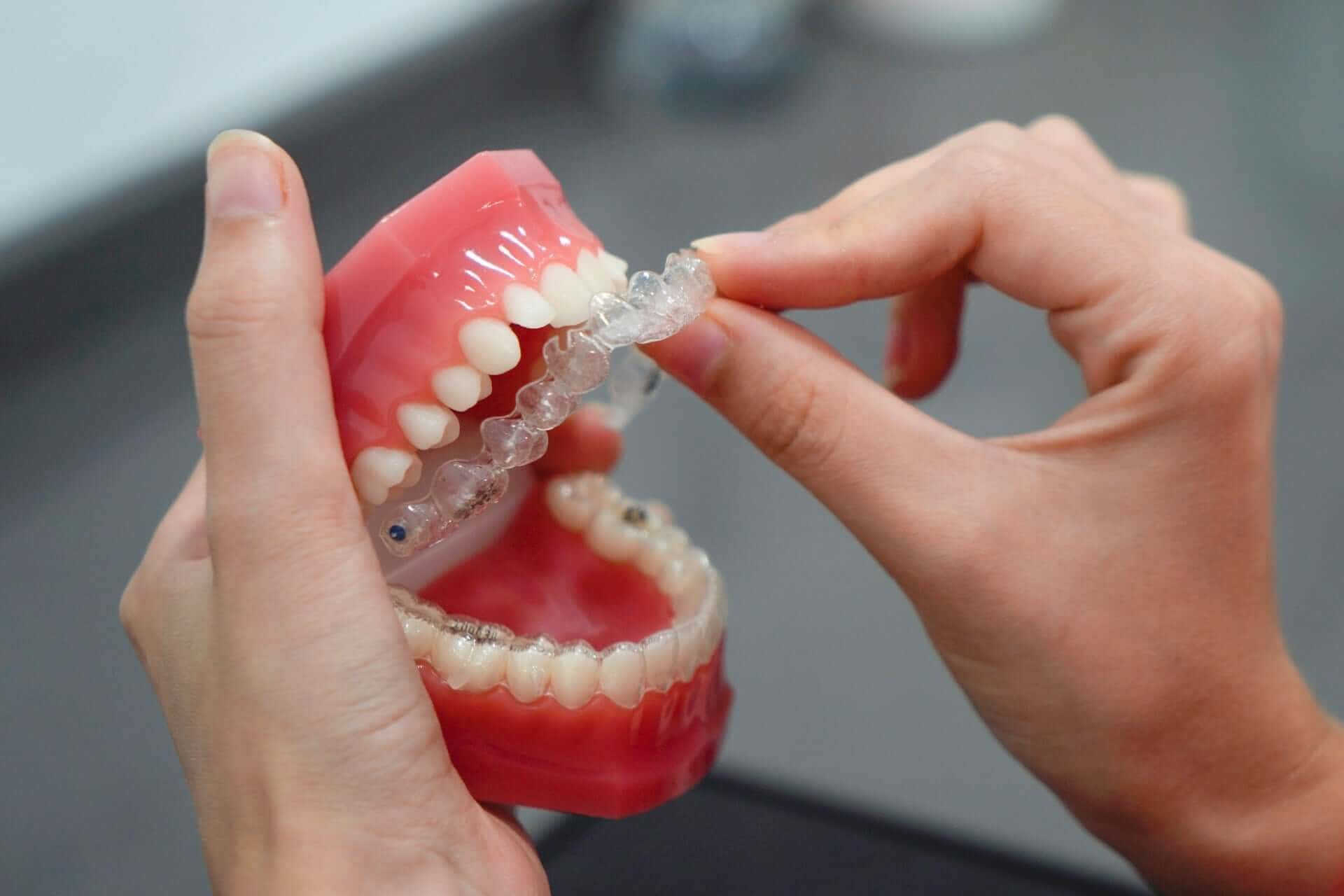
If your Invisalign® treatment includes clear aligners, following your instructions carefully is essential. These customized treatment plans rely on you wearing aligners for the required number of hours each day to apply consistent pressure.
Rinse aligners with cool water every time you remove them. Avoid leaving them out for extended periods, and never use hot water, which can warp the plastic and affect the fit.
As treatment nears completion, dental retainers hold teeth in their new positions. Skipping retainer wear allows teeth to shift back. To keep your results, you must wear retainers exactly as directed.
5. Make Adjustments and Soreness Easier to Handle
Soreness after orthodontic appointments is normal. Practical braces care makes managing orthodontic discomfort easier when you have basic tools ready at home.
What Normal Tenderness Usually Feels Like
After getting braces or having them tightened, your teeth may feel sore for three to five days. This orthodontic discomfort is normal as your mouth adjusts. Most patients find that standard over-the-counter pain relief helps manage this transition. The soreness comes from the teeth responding to the gentle forces moving them into new positions.
This is expected and temporary. You may also notice some irritation on the inside of your lips and cheeks as the soft tissue adjusts to the brackets.
Simple Comfort Tools to Keep Nearby
A few basic items make soreness much easier to manage:
Orthodontic wax: Press a small piece over any bracket causing irritation to create a smooth surface.
Over-the-counter pain relief: Ibuprofen or acetaminophen helps reduce tenderness after an adjustment. Having over-the-counter pain relief ready before your appointment makes for a more comfortable experience.
Warm saltwater rinse: Swishing with warm salt water soothes irritated gum tissue and helps minor sores heal faster.
Cold soft foods: Cold yogurt or a smoothie can provide mild relief when teeth feel tender.
When Discomfort Means It Is Time to Call the Office
Sharp, persistent pain is different from normal adjustment soreness. If a wire is poking your cheek or gum, apply wax and call the office promptly. Do not attempt to cut or bend a wire on your own.
A loose bracket or broken wire needs to be addressed by your orthodontic team. Delaying that call can allow unintended movement and add time to your overall treatment.
6. Protect Your Appliances During Sports, Travel, and Everyday Routines
Brackets and wires are durable but not indestructible. Everyday activities carry risk if you are not prepared. Building protective habits into your normal routine prevents common types of accidental damage.
Use a Mouthguard Before Problems Start
An orthodontic mouthguard is designed to fit over braces and protect your lips, cheeks, and teeth during impact sports. Standard mouthguards often do not fit well over brackets, so using an orthodontic mouthguard specifically made for brace wearers is essential for safety.
Wearing a mouthguard consistently during practices and games protects against collisions that cause broken brackets or cut soft tissue.
Pack Smart for Long Days Away From Home
On days when you will be away for extended hours, bring a small kit with a travel toothbrush, floss, wax, and a mirror. Being prepared means you can address food caught in brackets without waiting until you get home.
If you are traveling for several days, bring enough elastics, a retainer case, and the contact information for your orthodontic office in case of an emergency.
Avoid Everyday Habits That Bend Wires
Habits like biting your nails, chewing on pen caps, or tearing open packaging with your teeth put force on brackets. These can loosen hardware and delay your progress.
If you notice a bracket feels loose, or a wire seems out of place, do not wait. Contact your Anaheim orthodontic team to schedule a repair visit as soon as possible.
7. Keep Every Check-In Working in Your Favor
Regular orthodontic appointments are where the technical work of your orthodontic treatment happens. Keeping every scheduled visit makes each check-in more productive and keeps your timeline on track.
Why Regular Visits Keep Treatment Moving
Your orthodontist adjusts wires and evaluates how your teeth respond at each appointment. Skipping visits means these adjustments do not happen on schedule, and treatment takes longer.
Most patients are seen every four to eight weeks. Keeping these visits consistent is one of the simplest things you can do to support steady progress toward a confident smile.
What Happens During Orthodontic Checkups
During regular orthodontic checkups, your orthodontist will check tooth position, tighten wires, and assess your bite. They will also check for broken brackets or signs of gum inflammation.
This is the right time to ask questions. If you have noticed discomfort or something that seems loose, bring it up at the appointment.
How to Prepare for Appointments
Brush and floss thoroughly before each visit. Arriving with clean teeth allows your orthodontist to see your teeth clearly and complete your adjustment efficiently.
In between appointments, do a quick visual check once a week. Look for any brackets that appear loose or wires that sit unevenly. Catching issues early means shorter repair visits and fewer interruptions.
Frequently Asked Questions
What daily habits help braces move teeth smoothly without irritating your mouth?
Brushing after every meal, flossing daily with threaders or a water flosser, and rinsing with fluoride mouthwash at night all support steady progress. Wearing elastics as directed and avoiding hard or sticky foods reduces the chance of setbacks.
Which foods should you avoid with braces to prevent broken brackets?
Hard foods like raw carrots and ice, sticky foods like caramel and gummies, and crunchy snacks like popcorn are common causes of damage. Cutting firm foods into small pieces and chewing with your back teeth also helps protect the hardware.
How can you brush and floss effectively with braces?
Use a soft-bristled orthodontic toothbrush angled at 45 degrees toward the gumline. Use orthodontic floss, floss threaders, or a water flosser to clean between teeth. Adding a fluoride rinse each night protects enamel around the brackets and supports healthy teeth and gums.
What can you do at home to manage soreness after adjustments?
Apply orthodontic wax over irritating brackets, rinse with warm saltwater to soothe gums, and take over-the-counter pain relief as directed. Eating cold, soft foods during the first few days also helps reduce discomfort.
How many hours a day should you wear elastics?
Most orthodontists recommend wearing elastics 20 to 22 hours per day, removing them only to eat and brush. Skipping hours regularly allows the teeth to drift, which can extend overall treatment time.
When should you call your Anaheim orthodontic team about a loose bracket?
Call the office promptly if a bracket feels loose or a wire is poking your cheek. Apply orthodontic wax as a temporary measure, but do not attempt to fix the wire yourself, as that can cause unintended tooth movement.
Building Long-Term Confidence Throughout Orthodontic Treatment
Following brace-friendly routines that support smoother orthodontic progress helps patients protect both their treatment timeline and their long-term oral health. Consistent cleaning habits, smart food choices, proper elastic wear, and routine orthodontic visits all work together to keep treatment moving efficiently while reducing avoidable setbacks. Small daily habits often make the biggest difference in creating a healthier, more confident smile.
For many Anaheim families, orthodontic care feels more manageable when treatment plans are personalized around real-life routines, comfort, and long-term goals. Whether patients are using traditional braces or clear aligners, staying proactive between visits supports more predictable results and fewer interruptions throughout the process.
At Dentist of Anaheim, patients receive personalized treatment plans built around their lifestyle, schedule, and smile goals. From Invisalign treatment and metal braces to ongoing family dentistry and emergency dental care, the office focuses on modern, compassionate dentistry in Anaheim designed to help every member of the family feel comfortable and informed.