A damaged or weakened tooth often needs more than a simple patch. When patients ask what dental crowns are, they are often looking for ways to strengthen teeth and protect them from future damage. Dental crowns in Anaheim are one of the most reliable ways to shield a tooth that has been cracked or significantly worn down.
A crown covers the entire visible portion of a tooth, restoring its shape, strength, and appearance in a way that a filling simply cannot. Working with an experienced Anaheim dentist ensures that your restoration fits perfectly and matches your natural teeth.
At Dentist of Anaheim, we approach crown treatment the way we approach all dental care: with clear communication, gentle technique, and a plan that fits your specific situation. Whether you are dealing with an old filling that has failed, a tooth that has been through root canal therapy, or a cosmetic concern you have been putting off, there is a practical path forward.
The sections below walk through when a crown becomes necessary, what materials work best for different needs, what the placement process looks like from start to finish, and how to care for a crown once it is in place.
When A Tooth Needs More Than A Filling
Fillings are effective for small cavities and minor damage, but there are situations where they cannot provide enough support. Crowns become necessary when the tooth structure is too compromised for a filling to hold reliably or safely. Several distinct conditions tend to lead to a crown recommendation.
Cracks, Wear, and Weakened Teeth
A cracked tooth can worsen over time if left unprotected. Biting pressure causes cracks to spread deeper, which can eventually reach the root and lead to more serious complications. A crown wraps around the entire tooth, holding the crack together and preventing it from getting worse.
Teeth that have worn down from grinding, acidic erosion, or age may also lack enough healthy enamel for a filling to bond to. In those cases, a crown restores the original height and contour of the tooth.
Large Fillings and Tooth Decay
When tooth decay is extensive or when an old filling takes up more than half the width of the tooth, a filling replacement is often not a stable long-term solution. The remaining tooth structure around a very large filling is thin and prone to fracture. A crown distributes biting forces more evenly and adds the structural support needed for daily use.
After Root Canal Treatment
Root canal therapy removes infected tissue from inside the tooth, which can leave it more brittle than before. Most back teeth that have had a root canal need a crown placed over them to protect against breakage. The crown acts as a shield, allowing the tooth to continue functioning normally.
For Misshapen or Discolored Teeth
Crowns are also used in cosmetic dentistry for those with misshapen teeth or when a tooth is permanently stained. In these cases, a crown can improve both the look and the proportion of the tooth.
Our cosmetic dentist in Anaheim can review whether a crown or an alternative like porcelain veneers is the better fit for your goals.
How A Crown Can Protect Function And Appearance
A crown does two things at once: it shields a damaged tooth from further harm, and it helps restore your smile. Depending on your treatment needs, a crown may be used on its own or as part of a larger restoration, like a bridge or implant.
Restoring Daily Biting and Chewing
After a crown is placed, the treated tooth can handle normal chewing pressure again. This is especially important for back molars, which absorb the most force during eating. Many patients notice that the discomfort they had been managing for months resolves once the crown is seated properly.
Supporting A Natural-Looking Smile
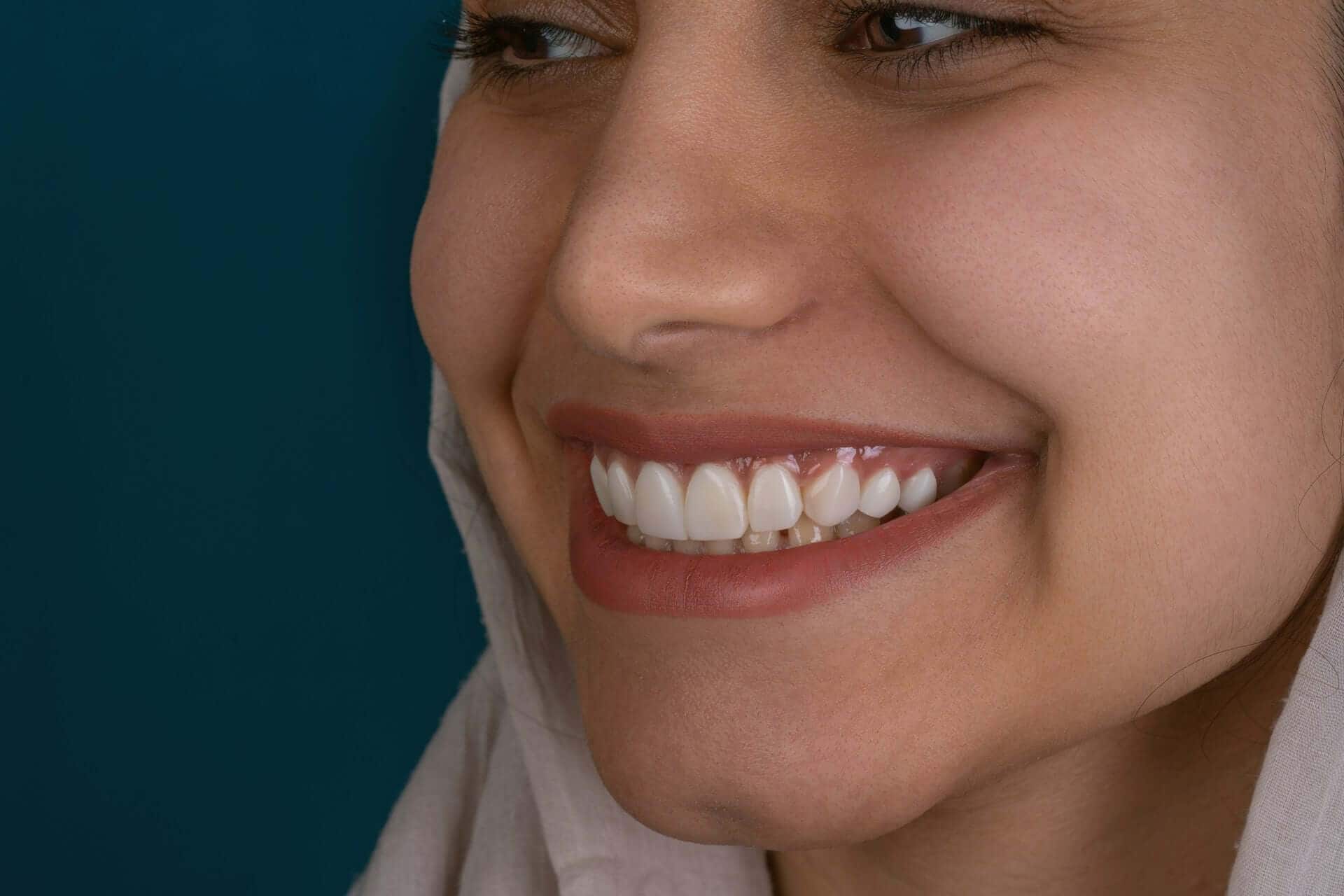
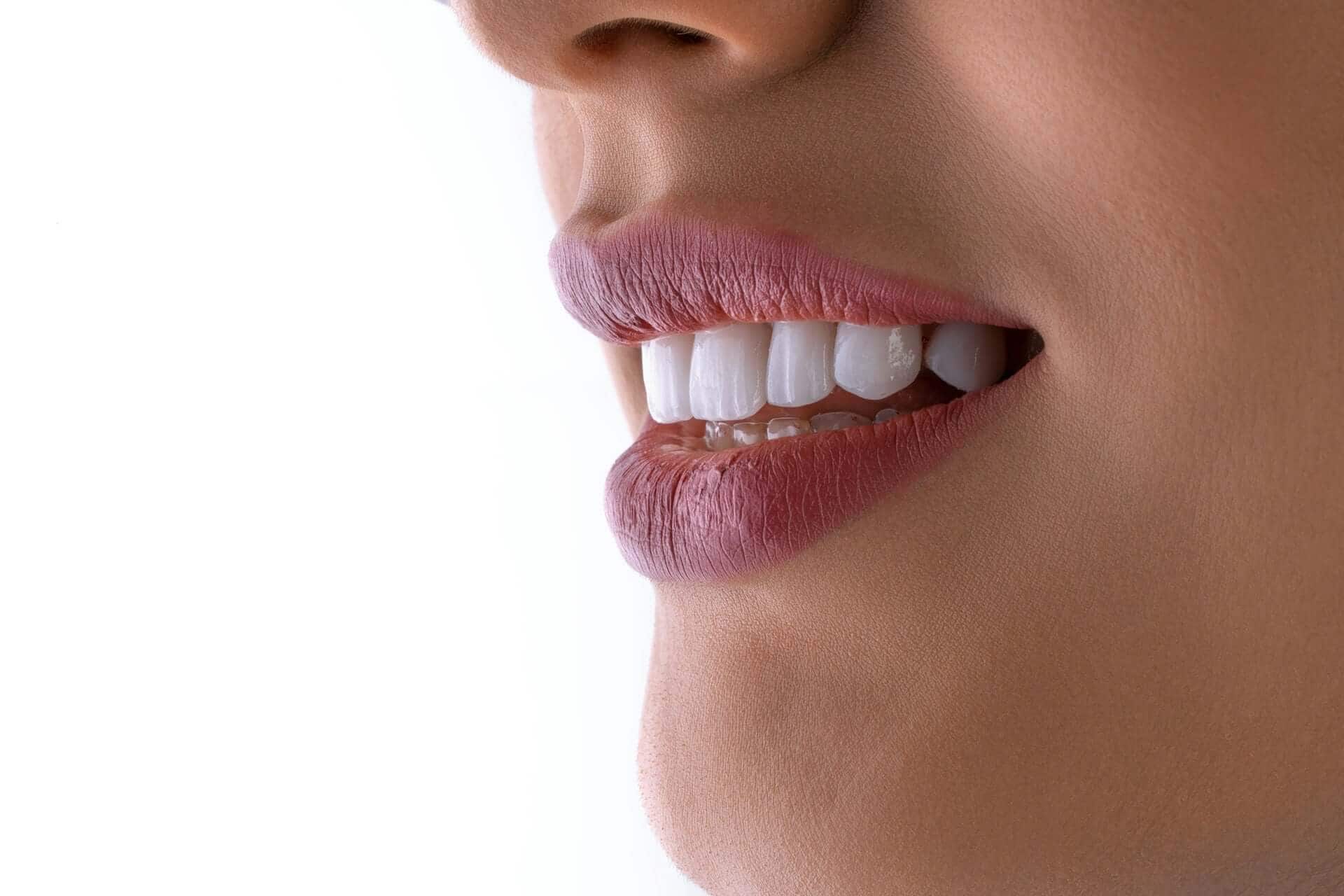
Modern crown materials are designed to blend with surrounding teeth. Tooth-colored options reflect light in a way that closely mimics natural enamel, making it difficult to distinguish the crown from the teeth next to it. A well-crafted crown restores your smile without drawing attention to the restoration itself.
Using Crowns With Dental Bridges
When a tooth is missing entirely, a dental bridge uses crowns placed on the neighboring teeth to anchor a false tooth in the gap. The crowns on either side are called abutment crowns, and they carry the bridge in place. This combination of crowns and bridges can restore the look and function of a missing tooth without surgical procedures.
Covering And Completing Dental Implants
A dental implant replaces the root of a missing tooth, but the visible crown placed on top is what completes the restoration. The crown is custom-made to match the size, shape, and color of the surrounding teeth. For patients replacing a single tooth, a single tooth implant topped with a crown is one of the most durable and natural-looking options available.
Material Choices That Shape Look And Longevity
The material used for a crown affects how it looks, how long it lasts, and where in the mouth it works best. Knowing the differences helps you and your dentist choose the right option for your situation.
Material | Best For | Appearance | Durability |
|---|---|---|---|
Porcelain / Ceramic | Front teeth | Highly natural | Moderate |
Porcelain Fused to Metal (PFM) | Back or front teeth | Natural with a metal core | High |
Metal (Gold / Alloys) | Back molars | Metallic | Very High |
Resin | Temporary use | Acceptable short-term | Low |
Porcelain and Ceramic Options
All-porcelain and all-ceramic crowns are the most natural-looking option available. They are a strong choice for front teeth where appearance is the priority. These crowns are also a good fit for patients with metal sensitivities, since they contain no metal at all.
Porcelain Fused to Metal for Balance
Porcelain-fused-to-metal crowns combine a metal base with a porcelain outer layer. This gives them added strength compared to all-porcelain crowns, while still offering a tooth-colored appearance. They are a practical choice for both front and back teeth and are one of the most commonly placed crown types.
Metal Crowns for Strength
Metal crowns made from gold or other alloys are the most durable option, and they require the least amount of tooth structure to be removed before placement. They are typically recommended for back molars, where biting forces are highest, and visibility is low. Their metallic color makes them less suitable for visible front teeth.
Resin Crowns and Temporary Use
Resin crowns are generally used as temporary restorations while a permanent crown is being made at the dental lab. They are not intended for long-term use and wear down more quickly than other materials. A temporary resin crown protects the prepared tooth until the custom-fit permanent crown is ready to be placed.
What The Appointment Process Usually Looks Like
Understanding the dental crown procedure helps patients feel more comfortable before their visit. Each stage of the crown procedure is straightforward, and we walk patients through what to expect at every step.
Getting a crown typically takes two visits, though advances in dental technology have made same-day options possible. Local anesthetic keeps the experience comfortable throughout.
Exam, X-Rays, and Treatment Planning
The process starts with a thorough exam and X-rays to assess the condition of the tooth and the surrounding bone. This helps confirm that a crown is the right treatment and rules out issues that would need to be addressed first, like active infection. From there, a treatment plan is outlined that fits your timeline and goals.
Tooth Preparation and Local Anesthetic
During the first appointment, the tooth is reshaped to make room for the crown. A local anesthetic is used so the process is comfortable. A small amount of enamel is removed from the outer surface of the tooth so the crown can fit over it without feeling bulky or misaligned.
Dental Impressions and The Dental Lab
Once the tooth is prepared, impressions are taken to capture its exact shape and bite relationship. These impressions are sent to a dental lab, where skilled technicians craft a custom-fit crown to precise measurements. The lab process typically takes one to two weeks.
Temporary Crown to Permanent Crown
A temporary crown is placed at the end of the first visit to protect the prepared tooth while the permanent crown is being made. At the second appointment, the temporary is removed, and the permanent crown is checked for fit, bite, and color before being cemented in place. The second visit is usually shorter and takes about 30 to 60 minutes.
How Same-Day Crowns Change The Timeline
Some dental offices use in-office milling technology that allows a crown to be designed, fabricated, and placed in a single visit. This eliminates the need for a temporary crown and cuts the overall timeline significantly. If same-day crowns are available, your dentist will let you know whether your case is a good candidate.
Comfort, Recovery, And Caring For Your Crown
Most patients recover quickly after crown placement and return to normal activity the same day. Understanding what to expect after the visit helps protect both the restoration and the tooth underneath it.
When Sedation May Be Helpful
For many, sedation dentistry provides a way to undergo necessary dental work without stress. Patients who feel anxious about dental procedures can ask about sedation options.
Light sedation can make the appointment feel much more manageable without affecting recovery time significantly. Our team is glad to discuss what options are available based on your needs.
For patients who have avoided dental care due to dental anxiety, combining sedation with a crown appointment can be a comfortable way to get necessary treatment done. More information about our approach to patient comfort is available on our family dentist in Anaheim page.
What To Expect After Placement
Some mild sensitivity to temperature and pressure is normal for a few days after a crown is placed. This usually fades on its own as the tooth settles. If sensitivity is sharp or persists beyond a week, contacting the office is a good next step.
Oral Hygiene Habits That Help Crowns Last
Brush twice daily using a soft-bristle toothbrush
Floss carefully around the crown, including where it meets the gumline
Avoid biting directly on very hard foods like ice, hard candies, or popcorn kernels
Use a night guard if you grind your teeth during sleep
Attend regular cleanings and exams to monitor the crown and surrounding tissue
Good oral hygiene is the most reliable way to extend the life of a crown. Most well-maintained crowns last 10 to 15 years or longer.
Protecting Your Investment Over Time
Routine dental cleanings and preventive care allow the dentist to monitor the crown for wear or chips. Catching small problems early prevents bigger ones later.
A crown is an investment in your dental health, and choosing high-quality materials ensures you receive long-lasting crowns that perform well for many years. Consistent care helps your restoration last as long as possible.
Frequently Asked Questions
How do I know if I need a crown or a filling for a damaged tooth?
The main factor is how much healthy tooth structure remains. A filling works well when damage is limited to a small area and the surrounding tooth is strong enough to support it. If decay is deep, the tooth is cracked, or a previous filling has become too large, a crown is usually the better option because it covers the entire tooth and provides full structural support.
It is worth noting that attempting to use a filling in a situation that calls for a crown can lead to fracture or additional damage down the line. Your dentist will take X-rays and examine the tooth closely before making a recommendation.
What are the differences between porcelain and metal crowns, and which one looks most natural?
All-porcelain and all-ceramic crowns are the closest match to natural tooth enamel in both color and translucency. They are the preferred choice for front teeth or any visible area of the smile. Metal crowns are significantly stronger and longer-lasting, but their color makes them more noticeable and better suited for back molars.
Porcelain-fused-to-metal crowns offer a middle ground, combining the strength of a metal base with a tooth-colored outer surface. The right material depends on the location of the tooth, how much biting pressure it handles, and what your appearance goals are.
Can a dental crown fail, and what signs should I watch for?
Crowns can loosen, chip, or develop small gaps at the margin over time, especially without consistent oral hygiene or regular checkups. Signs that a crown may need attention include increased sensitivity, a change in how your bite feels, visible chips, or discomfort when chewing.
If a crown comes loose or falls off, it is important to contact the dental office promptly. The exposed tooth underneath is vulnerable to damage and decay without its protective cap. Dental crowns in Anaheim can often be re-cemented or replaced when caught early.
How do flexible payment options or PPO insurance make crowns more affordable?
Many PPO dental insurance plans cover a portion of crown treatment, particularly when the crown is placed for restorative reasons rather than purely cosmetic ones. Coverage typically ranges from 50 percent after the deductible, though this varies by plan. Reviewing your benefits before the appointment helps you understand your out-of-pocket costs clearly.
For patients without full coverage, flexible payment options such as financing plans can spread the cost over time, making treatment more manageable. Our team is happy to walk through your coverage and available options before treatment begins so there are no surprises.
Protecting Damaged Teeth With Long-Lasting Crown Treatment
Choosing dental crowns Anaheim patients can rely on helps restore both the strength and appearance of damaged teeth while protecting them from future complications. Whether a tooth has been weakened by decay, a crack, large fillings, or root canal treatment, crowns provide full structural coverage that helps patients chew comfortably and maintain long-term oral health. Modern materials also allow crowns to blend naturally with surrounding teeth for results that feel both functional and confidence-building.
For many Anaheim patients, crown treatment becomes part of a broader plan focused on preserving healthy teeth whenever possible. Early treatment often prevents additional damage that could otherwise lead to more extensive restorative procedures later. With options ranging from porcelain crowns to implant-supported restorations, treatment can be personalized around appearance goals, bite function, comfort, and budget.
At Dentist of Anaheim, patients receive personalized restorative care designed around long-term durability, comfort, and natural-looking results. From dental crowns and single tooth implants to ongoing family dentistry and emergency dental care, the office combines advanced technology with compassionate care to help Anaheim patients restore healthy, confident smiles.