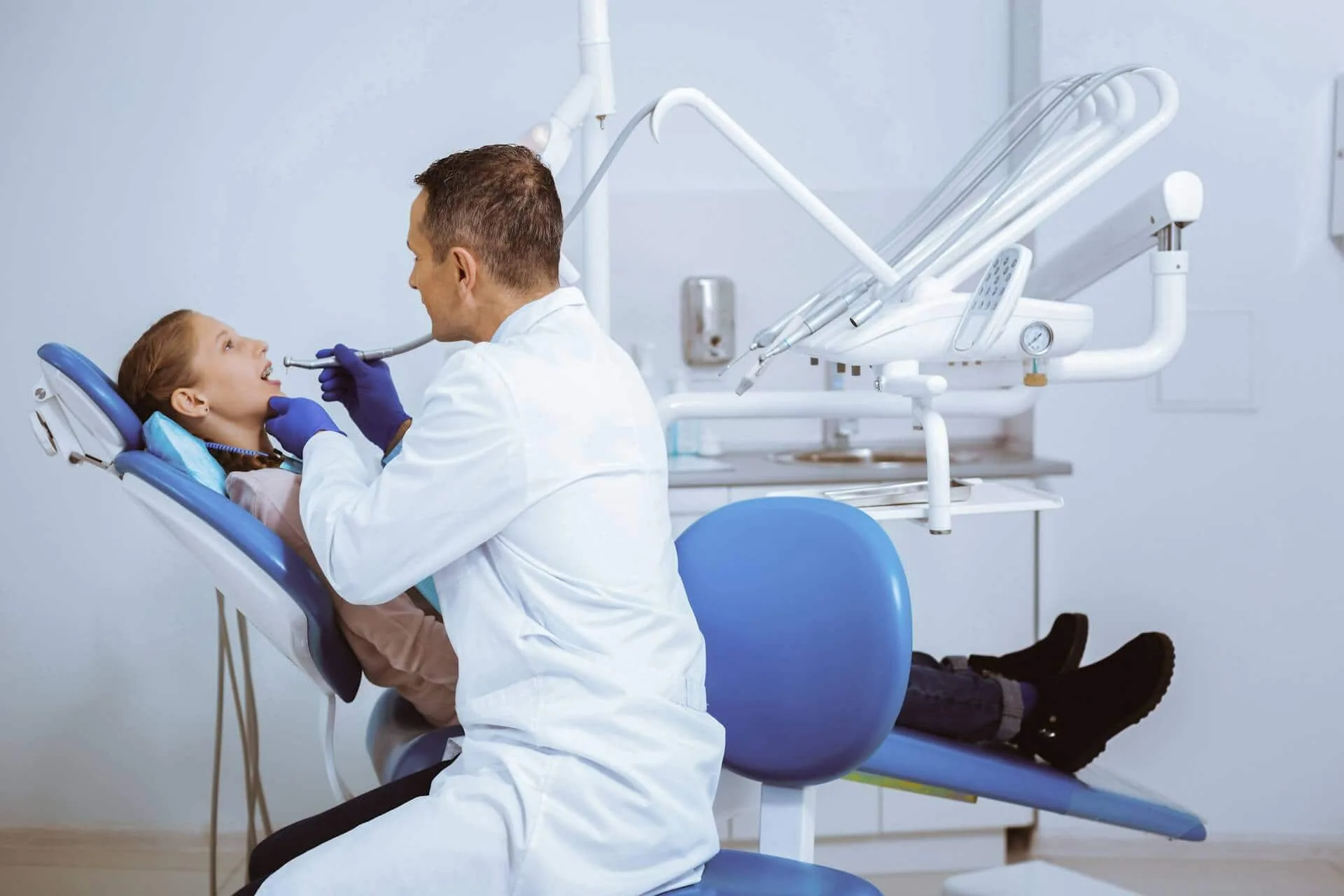
Swollen, painful gums can make it hard to eat, speak, or focus on your day. These symptoms may seem minor at first, but they often signal a deeper issue that needs attention from an Anaheim dentist.
At Dentist of Anaheim, we offer comfort, clarity, and gentle, patient-first treatment using modern tools. Patients receive clear guidance so they know exactly what is happening and what to expect.
This article will help you recognize the signs of gum swelling that may require quick attention from an Anaheim dentist, so you can act early and protect your oral health.
What Swollen Gums May Be Telling You
Swollen gums can range from mild irritation to signs of infection. Paying attention to early changes can help prevent more serious concerns and reduce the need for more complex treatment later.
You may notice puffy or enlarged gums, bleeding when brushing, or persistent soreness that does not go away. Some patients also experience bad taste, an ongoing odor, fever, facial swelling, or even loose teeth and pressure in specific areas.
Mild irritation may improve with consistent oral care. However, worsening symptoms or swelling that spreads beyond the gums often require attention from an Anaheim dentist to prevent complications.
How Gum Swelling Becomes a Red Flag
Sudden Swelling or Puffiness
When swelling develops quickly, it often signals a condition that needs prompt evaluation. Rapid changes in the gums may indicate infection, irritation, or trauma that should not be left untreated.
You might notice a lump near a tooth, gums pushing outward, or discomfort when chewing. This type of swelling can place pressure on surrounding tissues and make daily activities more difficult.
If swelling appears suddenly and affects breathing or swallowing, it is important to seek immediate care to ensure your safety and comfort.
Swelling That Keeps Coming Back
Recurring swelling usually points to ongoing gum disease or an underlying dental issue that has not been fully resolved. When inflammation returns repeatedly, it often means bacteria remain below the gumline.
This can happen due to plaque buildup, untreated cavities, or areas where bacteria become trapped. Patients may notice the same spot becoming swollen after certain triggers, such as stress or illness.
Scheduling a dental exam allows your provider to identify the root cause and recommend targeted care that helps prevent future flare-ups.
Swollen Gums with Pain or Fever
Swelling combined with pain often signals infection. When symptoms intensify or spread, the body may be responding to bacteria that require professional treatment.
Patients may feel throbbing discomfort, sensitivity that extends into the jaw, or fatigue accompanied by fever. These signs suggest that the infection may be progressing and should be addressed quickly.
Seeking care right away allows your dental team to reduce infection, relieve discomfort, and protect your overall health.
Other Warning Signs That Need Attention
Bleeding During Brushing
Gums should not bleed regularly during brushing or flossing. Frequent bleeding is often one of the earliest signs of gingivitis or more advanced gum disease. If left untreated, inflammation can worsen over time and begin to affect the supporting structures of the teeth. Early care helps restore gum health and prevents long-term damage.
Persistent Bad Breath
Bad breath that continues even with regular brushing may point to an underlying issue. This often includes bacterial buildup, gum infection, or decay that requires professional care. A dental evaluation helps identify the source and provides targeted solutions that improve both oral health and daily comfort.
Loose or Shifting Teeth
Adult teeth should remain stable. When teeth begin to feel loose or shift, it may indicate bone loss or infection affecting the supporting structures. This type of change often develops gradually, which makes early detection especially important. Addressing the issue promptly can help preserve natural teeth and prevent further progression.
Sensitivity Around One Tooth
When swelling or pain is isolated to one tooth, it often suggests a localized concern. This may include a gum abscess, a cracked tooth, or debris trapped beneath the gumline. Patients may notice sharp discomfort when biting or sensitivity that does not improve. Targeted treatment can relieve symptoms and prevent the issue from spreading.
What Causes Gum Swelling?
Gum Infection or Abscess
An abscess is a localized infection that forms a pocket of pus within the gum or near the tooth root. It can cause swelling, pressure, and discomfort that may worsen without treatment.
Patients may notice a painful bump, a bad taste, or facial swelling. Prompt care helps remove the infection and protect nearby tissues from further damage.
Gum Disease
Gum disease often begins with mild inflammation known as gingivitis. At this stage, gums may appear red, swollen, and prone to bleeding during brushing. If not treated, it can progress into more advanced stages that affect bone and tissue support. Over time, this may lead to gum recession, loose teeth, and ongoing discomfort.
Dental Injury
Injuries such as cracks, chips, or trauma to the mouth can lead to swelling and increase the risk of infection. Even minor damage can allow bacteria to enter and irritate the gums. If swelling follows an injury, early evaluation helps prevent complications and supports proper healing.
When to Seek Immediate Care
Pus or Discharge
The presence of pus or unusual discharge is a clear sign of infection. This often requires prompt attention to prevent the issue from spreading to surrounding areas.
Fever or Swollen Lymph Nodes
Fever combined with swollen lymph nodes may indicate that the body is actively fighting an infection. These symptoms should not be ignored and often require timely care.
Difficulty Eating or Swallowing
When swelling interferes with eating, speaking, or swallowing, it may signal a more advanced condition. Seeking care quickly helps restore function and comfort.
Professional Care for Swollen Gums
Gentle Cleaning and Gum Therapy
Professional cleanings remove plaque and tartar that contribute to inflammation. This supports healing and helps maintain long-term gum health. Your dental team may also recommend additional therapies to reduce bacteria and improve gum stability.
Scaling and Root Planing
This deep cleaning targets buildup below the gumline and smooths the root surfaces. Removing bacteria and toxins, it allows the gums to heal and reattach more effectively. Patients may require multiple visits depending on the extent of the condition.
Treatment for Infections
When infection is present, treatment focuses on eliminating bacteria and protecting the surrounding tissue. This may include draining the area or addressing the affected tooth. Early intervention helps reduce discomfort and supports faster recovery.
How to Protect Your Gum Health Daily
Brush and Floss Consistently
Brushing twice a day and flossing daily helps remove plaque and prevent irritation. Consistency plays a key role in maintaining healthy gums.
Choose a Soft-Bristled Toothbrush
A soft-bristled toothbrush cleans effectively while protecting delicate gum tissue. Using the right tools can reduce the risk of irritation and sensitivity.
Use Recommended Mouthwash
Antibacterial mouthwash can help reduce harmful bacteria when used as directed. It works best as part of a complete oral care routine.
Schedule Regular Dental Visits
Routine checkups allow your dentist to detect early changes and provide preventive care. Regular visits help keep your gums healthy and your smile strong.
Stay Ahead of Gum Problems with Early Care
Recognizing the signs of gum swelling that may require quick attention from an Anaheim dentist allows you to take action before problems become more serious. Early care can reduce discomfort, protect your teeth, and support long-term oral health.
At Dentist of Anaheim, we offer comfort-focused care for every member of the family, supported by advanced tools and a calm, respectful approach.
If you notice swelling, bleeding, or discomfort, schedule a visit today. A timely evaluation helps you feel better sooner and keeps your oral health on track.
Frequently Asked Questions
When should I worry about swollen gums?
You should pay attention when swelling does not improve within a few days or becomes more painful. Signs like fever, pus, or facial swelling often mean you need prompt care from an Anaheim dentist.
Can swollen gums go away on their own?
Mild irritation may improve with good oral hygiene. However, swelling caused by infection or gum disease usually requires professional treatment to fully resolve.
Why do my gums bleed when I brush?
Bleeding gums often point to early gum disease or inflammation from plaque buildup. Addressing it early can help prevent more serious issues and protect your gum health.
Is gum swelling always a sign of infection?
Not always, but it is a common cause. Swelling can also result from irritation, injury, or trapped debris. A dental exam helps determine the exact cause.
What will an Anaheim dentist do for swollen gums?
Your dentist will examine your gums, identify the cause, and recommend care such as a professional cleaning or targeted treatment. The goal is to reduce inflammation and restore comfort.
Can I prevent gum swelling in the future?
Yes. Brushing twice daily, flossing regularly, and attending routine dental visits help keep your gums healthy. Preventive care plays a key role in avoiding recurring issues.