Knowing when to seek urgent dental attention can protect your smile and prevent small issues from becoming serious. Early signs like pain, swelling, or bleeding shouldn’t be ignored.
At Dentist of Anaheim, we emphasize prompt care when warning signs emerge to help you avoid complications. Our goal is to preserve your oral health with confidence and comfort. Quick response often makes treatment easier and more effective.
This article explains common early signs that need urgent dental care, why acting quickly matters, and how to respond when symptoms show up so you can keep your smile healthy and strong.
Recognizing Urgent Dental Symptoms
Knowing when to get urgent dental care can protect your smile and prevent serious problems. Some signs need quick attention because they can signal infection, damage, or other issues that could worsen if left untreated.
Pay careful attention to severe pain, swelling, or unusual bleeding.
Sudden and Severe Tooth Pain
If you experience sudden, intense tooth pain, it’s a sign to act quickly. This type of pain may mean a deep cavity, an exposed nerve, or an infection.
It often feels sharp or throbbing and can worsen when you bite down or eat hot, cold, or sweet foods. Ignoring this pain can allow the problem to grow worse, possibly leading to an abscess.
You should call your dentist right away if the pain is severe, located in a single tooth, or wakes you up at night.
Severe Tooth Pain and Underlying Issues
According to the American Dental Association, sudden, severe tooth pain may signal deep decay, exposed nerve, or infection that needs urgent evaluation. Immediate care helps prevent worsening pain and stops infection from spreading deeper into surrounding tissues.
Swelling in the Mouth or Jaw
Swelling in your mouth, face, or jaw is a warning that an infection might be spreading. This swelling can feel tender and warm and may cause difficulty opening your mouth or swallowing. It often appears near a painful tooth or under the jaw.
Don’t wait to get care if you notice swelling that grows or doesn’t improve. Untreated infections can spread and cause serious health risks. A dentist can diagnose the cause and provide treatment to reduce swelling and pain.
Persistent Gum Bleeding
Bleeding gums that won’t stop, especially after brushing or flossing, are a sign of gum disease or injury. While occasional bleeding can happen, persistent bleeding means your gums are inflamed or damaged.
You may also notice redness, tenderness, or bad breath. Early gum disease can be treated effectively, so call to schedule an exam if your gums bleed regularly. Early action helps protect your gums and teeth from further harm.
Visible Changes In Your Mouth
Changes in the look or feel of your teeth and gums can signal the need for quick dental care. Paying attention to how your mouth looks can help catch problems early before they get worse.
Loose or Knocked-Out Teeth
If you notice any teeth feeling loose or shifting when you bite, this could be a sign of injury or infection. Loose teeth might happen after a fall or if your gums are very weak. Teeth that suddenly feel loose need to be checked quickly to prevent losing them.
In the case of a knocked-out tooth, time is very important. Keep the tooth moist by placing it in milk or your saliva, and see a dentist immediately. Quick action can sometimes save the tooth. Never ignore teeth that move or fall out; visiting your Anaheim dentist soon can help avoid further damage.
Unexplained Oral Sores or Lesions
Sores or patches in your mouth that don’t heal or keep coming back can indicate infection or other health concerns. These sores may appear red, white, or gray and might be painful or uncomfortable.
If you see sores that last more than two weeks, or if they bleed or grow in size, you should have them looked at right away. Your dentist can identify if the sores are harmless or something that needs treatment.
Early checks make a big difference for your mouth’s health. For help with these symptoms, you can find gentle, thorough care to guide you through quick treatment options and prevent problems from getting worse.
Warning Signs of Infection
If your mouth shows signs of infection, quick action is important. You might feel sick or notice unusual fluids and pain that affect swallowing. These signs often mean you should get dental care right away.
Fever and Malaise
A fever can mean your body is fighting an infection in your mouth. When you have a dental infection, you might also feel tired or unusually weak. This feeling is called malaise. If your temperature goes above 100.4°F (38°C) and you feel worn out, don't ignore it.
These symptoms may signal that the infection is spreading beyond your teeth and gums. You should contact your dentist as soon as possible to prevent the infection from getting worse.
Pus or Unusual Discharge
Noticing pus or strange fluids near your gums or teeth is a clear warning. Pus looks like a thick, yellowish, or white liquid. It is a sign your body is trying to fight an infection. This discharge might come with swelling or a bad smell.
If you see pus or unusual fluid when you spit or on your gums, get emergency dental care. Your dentist can clean the area and treat the infection properly to stop it from spreading.
Pain When Swallowing
Pain or discomfort when you swallow can come from an infection in your mouth or throat. This may happen if the infection causes swelling that blocks your airway or spreads deeper into your tissues.
If swallowing becomes difficult or painful along with other symptoms like fever or pus, seek urgent dental care. Ignoring these signs can cause the infection to worsen quickly and affect other parts of your body.
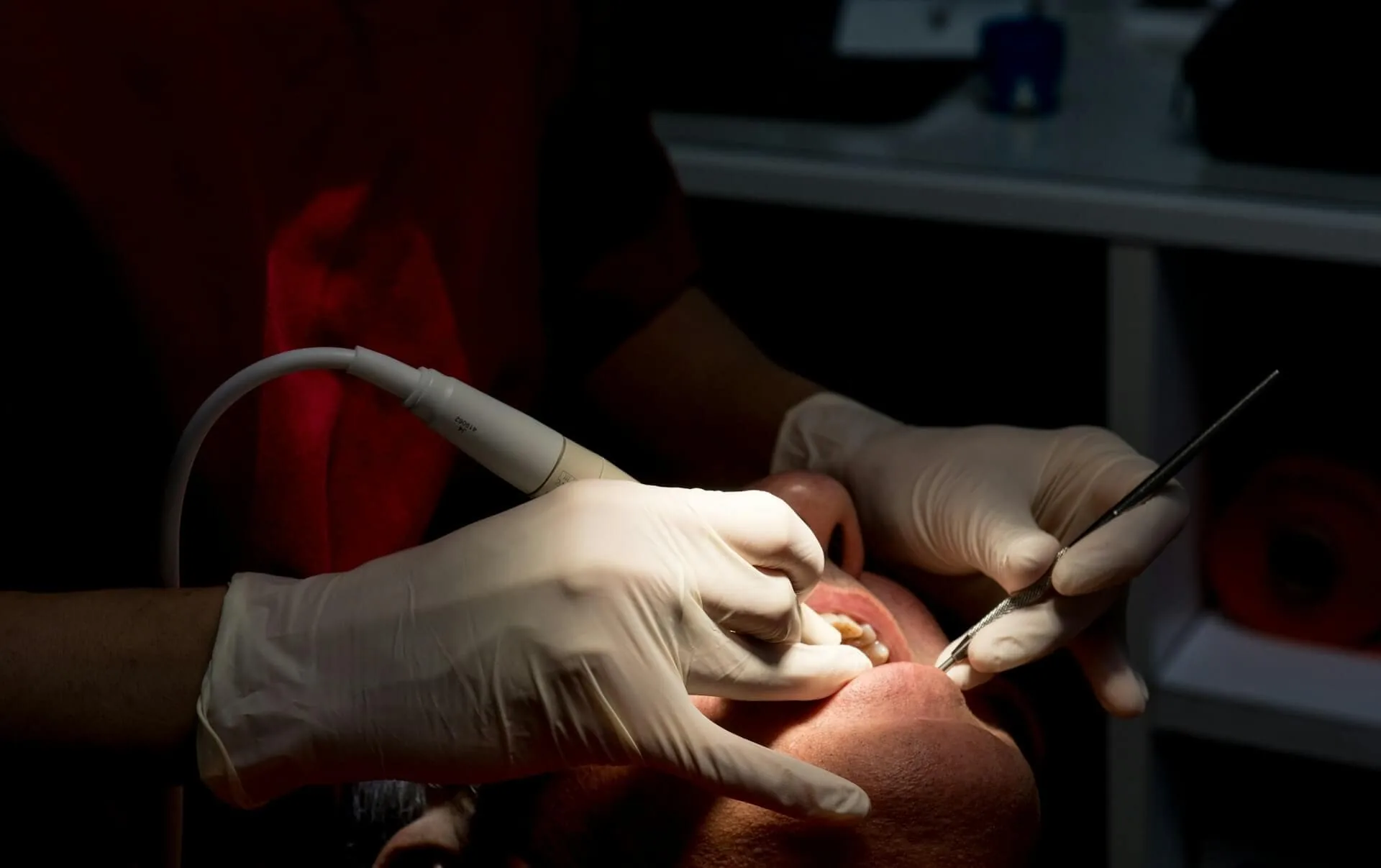
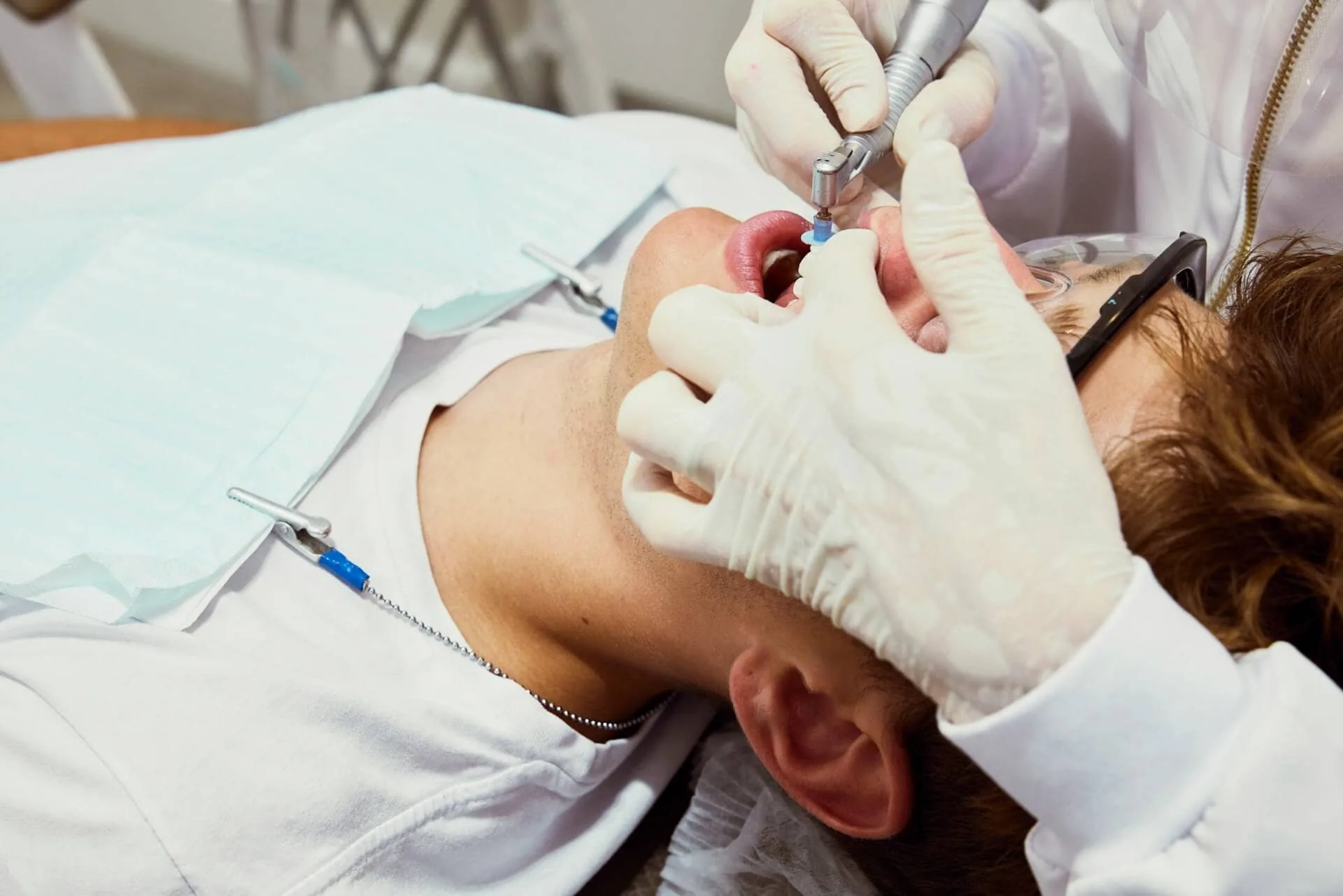
Dentists use advanced tools to treat these infections gently and reduce pain fast.
Physical Trauma and Its Consequences
Physical injuries to your mouth need quick attention to avoid bigger problems. Damage can range from small chips to cuts on your gums or tongue. Knowing what to watch for helps you act fast and protect your smile.
Chipped or Broken Teeth
If you chip or break a tooth, it can hurt and make eating hard. A chip might be a small crack or a piece missing, while a break often means part of the tooth is gone or loose. Look for sharp edges that can cut your tongue or cheeks.
If the pain is sharp or lasts more than a few minutes, it’s important to see a dentist right away. Sometimes a broken tooth can lead to infection if not treated quickly. Keep any pieces of the tooth you find and bring them to your appointment.
Your dentist might be able to fix or save the tooth. Acting fast helps keep your smile healthy.
Injuries to Lips, Gums, or Tongue
Cuts or bruises on your lips, gums, or tongue need care, too. These injuries can bleed a lot and might be painful. If the bleeding doesn’t stop after 10–15 minutes of gentle pressure, call your dentist or emergency care. Swelling or deep cuts can affect how you eat and speak.
Watch for signs of infection, like pus or a bad smell. If you notice these, don’t wait to get help. Sometimes stitches or special cleaning might be needed to heal properly. A visit to your Anaheim dentist can help check the inside of your mouth for hidden damage.
They will guide you through treatment that keeps pain low and heals faster. Don’t ignore trauma to soft tissues—it can lead to more serious problems if left untreated.
When to Seek Immediate Dental Care
Knowing when to get urgent dental care can protect your teeth and gums from serious problems. Some signs mean you should see a dentist right away to avoid more pain or damage. Acting quickly can make a big difference in how well you heal and keep your smile healthy.
Risks of Delaying Treatment
If you ignore symptoms like bleeding gums, swelling, or loose teeth, the problems can get worse fast. Infection might spread deeper into your gums or jawbone, causing more pain and possibly leading to tooth loss.
Untreated pain or swelling can also affect your ability to eat or speak clearly. Delaying care increases the chance that you will need more complex treatments later on, which could take longer and cost more. Your overall health can also suffer.
Gum disease and infections sometimes affect other parts of your body, including your heart. If you notice persistent tenderness, bad breath, or gums pulling away from teeth, don’t wait to get these checked. Quick care limits damage and helps you avoid bigger problems.
How to Respond in Emergencies
If you experience sudden, severe pain, heavy bleeding, or a loose or knocked-out tooth, call your dentist immediately. These issues need quick action to save your tooth and reduce discomfort. Avoid trying to fix serious problems at home.
Instead, keep pressure on any bleeding with a clean cloth and rinse your mouth gently. Save any broken tooth pieces in milk or saliva and bring them with you.
Calling right away improves the chance of saving your tooth and helps you feel more comfortable sooner. If you ever feel unsure, it’s safer to contact your dentist to check if you need urgent care.
Act Early To Protect Your Oral Health
Recognizing early signs that need urgent dental attention helps you avoid more extensive pain, damage, or infection. Symptoms like severe pain, swelling, or bleeding are your body’s way of signaling that professional care is needed.
At Dentist of Anaheim, we encourage patients to act quickly when warning signs appear. Prompt assessment and treatment improve comfort, protect your teeth, and maintain your overall oral well-being.
If you notice any concerning symptoms or are unsure how urgent your situation feels, visit our offices. This way, our team can evaluate your needs and guide you toward the right care without delay.
Frequently Asked Questions
Knowing the signs that you need urgent dental care can help you avoid more serious problems. Watch for sudden pain, swelling, or any changes in how your mouth feels or looks.
What indicators suggest you should see a dentist right away?
If you have severe tooth pain or swelling that doesn’t go away, it’s a strong sign to see a dentist. Bleeding gums that won’t stop or a broken tooth also need quick attention.
Can tooth sensitivity be a warning sign for more serious dental issues?
Yes, sensitivity, especially when it lasts for days or gets worse, could mean a cavity or infection. Don’t ignore sharp or lingering pain when eating hot, cold, or sweet foods.
How do you tell if a toothache requires emergency dental care?
A toothache that is intense and constant, or comes with fever and swelling, usually needs emergency care. If the pain stops you from sleeping or eating, call your dentist.
What symptoms are typically associated with the need for urgent dental treatment?
Swelling in your mouth or face, bad taste or smell without reason, and a loose or knocked-out tooth are signs to get urgent care. Also, pain that spreads in your jaw or ear should be checked quickly.
Are there distinctive signs of infection in the mouth to look out for?
Look for redness, swelling, pus, or a warm area in your gums or mouth. Fever and feeling unwell, along with these sign,s are common with infection and need prompt care.
What should you do if you experience sudden and severe dental pain?
Contact your dentist as soon as possible to get evaluated. Quick help with modern care can ease pain and treat problems effectively.