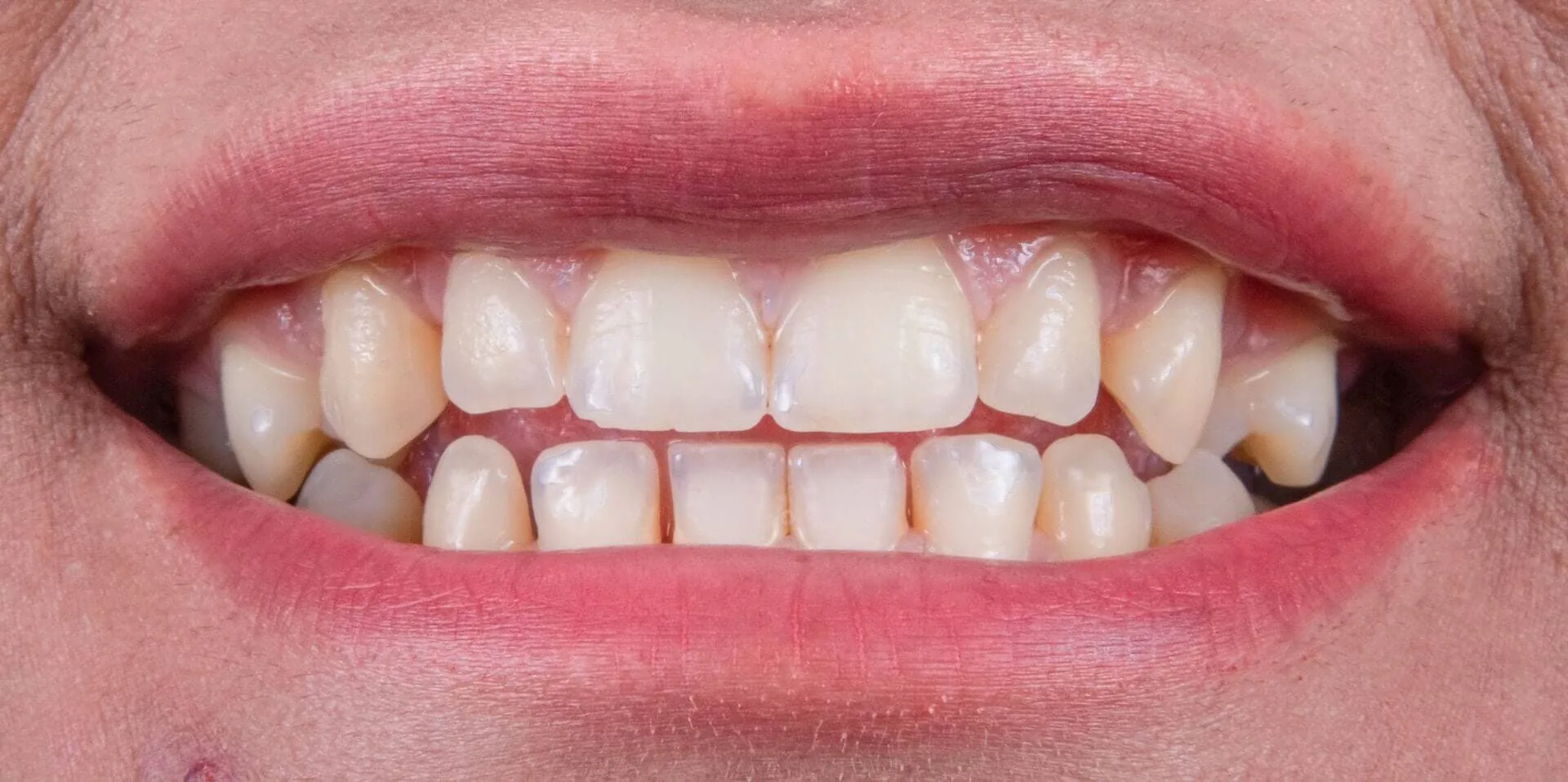
A chipped, cracked, or deeply decayed tooth can make everyday things uncomfortable. You may feel pain when chewing, notice sensitivity, or worry about the tooth getting worse. Understanding why dental crowns are used after chips, cracks, or deep decay in Anaheim helps you take the right next step before the damage progresses.
At Dentist of Anaheim, we focus on relieving discomfort and protecting your natural teeth with gentle, patient-first care. Dental crowns provide a strong, reliable way to restore damaged teeth while improving comfort and function.
In this article, you’ll learn how dental crowns work, when they are recommended, and how they help you regain comfort, confidence, and long-term oral health.
What Is A Dental Crown?
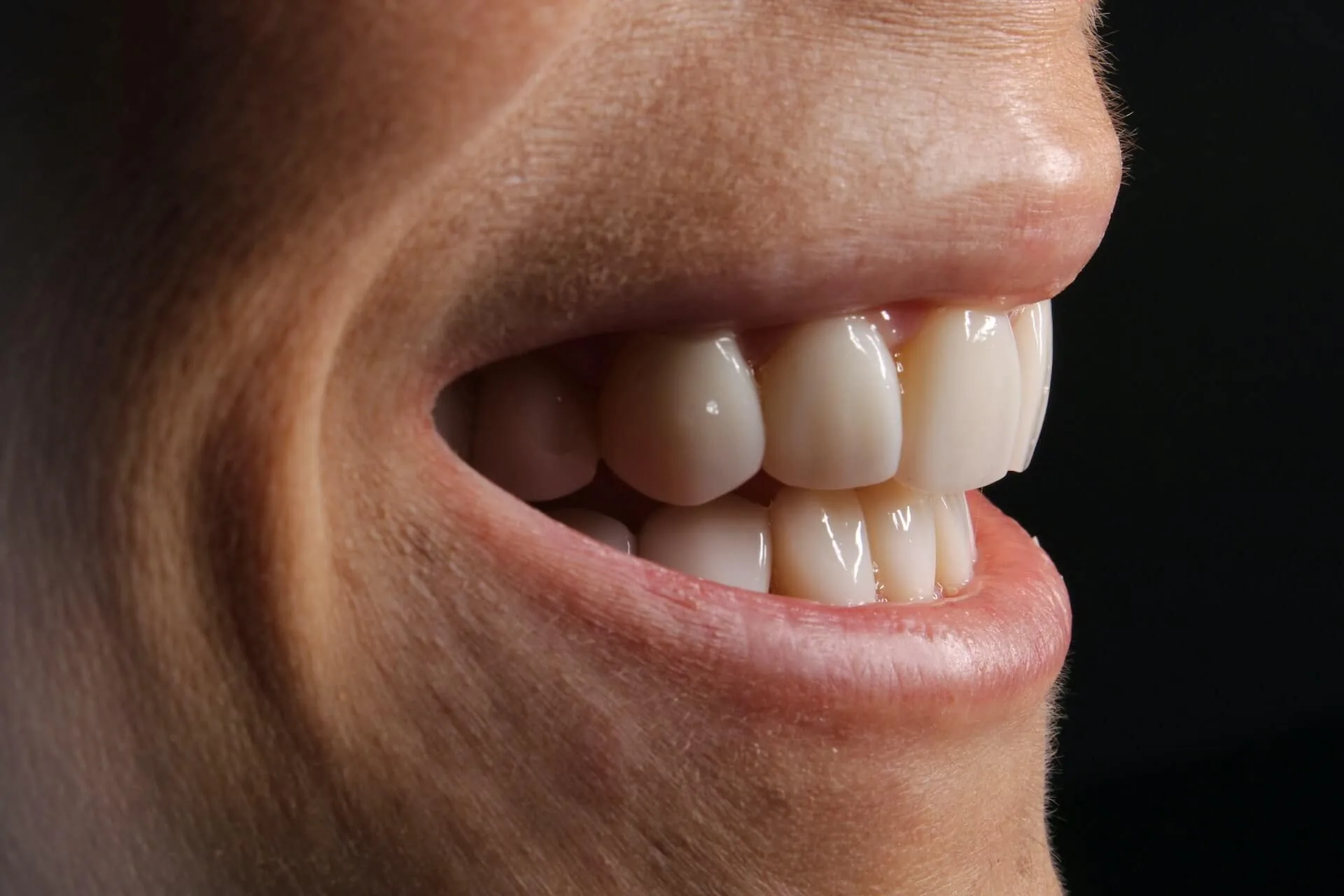
A dental crown is a custom-made cap that fits securely over a damaged tooth. It restores the tooth’s shape, size, and strength while protecting it from further harm. Dentists often recommend crowns when a tooth is too weak for a filling or has extensive structural damage.
To place a crown, the dentist carefully reshapes the tooth so the crown fits properly. Then, they take a digital scan or impression to create a custom restoration. With proper care and regular checkups, crowns can last for many years.
Common Materials Used
Dental crowns come in several materials, each offering different benefits depending on your needs. Porcelain or ceramic crowns provide a natural look and blend well with surrounding teeth, making them a popular choice for visible areas. Metal crowns, including gold or alloy options, offer exceptional strength and durability, especially for back teeth.
Porcelain-fused-to-metal crowns combine strength with a tooth-colored appearance, while zirconia crowns provide a modern option that balances durability and aesthetics. Your dentist will help you choose the right material based on your bite, the tooth’s location, and your smile goals.
How Crowns Restore Tooth Function
Crowns help hold damaged teeth together and prevent cracks from spreading. By covering exposed areas, they reduce sensitivity and protect the tooth's inner structure. This is especially important when decay has reached deeper layers.
Once placed, a crown allows you to chew and speak comfortably again. It also acts as a barrier against bacteria, helping prevent future decay or complications. This added protection supports long-term oral health and stability.
Reasons for Dental Crowns After Chips, Cracks, or Decay
Understanding why dental crowns are used after chips, cracks, or deep decay in Anaheim helps patients make informed decisions about their care and long-term oral health.
Protecting Weakened Teeth
Teeth that are chipped, cracked, or affected by decay lose their strength quickly. A dental crown covers the entire tooth, creating a protective barrier that helps prevent further damage. This added support allows the tooth to handle everyday pressure from chewing and speaking.
Without a crown, small fractures can grow larger over time. By reinforcing the tooth early, crowns help reduce the risk of more serious complications and restore confidence in daily activities.
Restoring Tooth Shape and Size
Damage can change the shape of a tooth or affect how it fits with surrounding teeth. This can lead to uneven wear, discomfort, or difficulty chewing. A dental crown restores the tooth to its natural shape and size, helping maintain proper alignment.
By improving the bite and overall appearance, crowns support both function and aesthetics. This creates a more balanced smile and helps teeth work together more efficiently.
Preventing Further Damage
Cracks and deep decay create openings where bacteria can enter the tooth. This increases the risk of infection and more advanced dental problems. A crown seals the tooth, helping block bacteria and protect the inner structure.
This preventive approach can reduce the need for more complex treatments in the future. By addressing damage early, crowns support long-term oral health and help maintain your natural smile.
Dental Crown Procedures in Anaheim
The process of getting a dental crown in Anaheim focuses on precision, comfort, and long-term results. Each step is designed to ensure a secure fit and a natural appearance.
Initial Consultation and Assessment
Your visit begins with a detailed examination of the affected tooth. The dentist uses digital imaging and a careful visual assessment to understand the extent of the damage. This allows them to determine whether a crown is the most appropriate solution.
During this appointment, you can discuss your symptoms and dental history. The dentist will explain your options clearly, helping you feel informed and confident about your treatment plan.
Steps in Placing a Dental Crown
The procedure starts with preparing the tooth by removing decay and reshaping it to support the crown. If the tooth requires additional structure, the dentist may build it up before placing the crown.
Next, they take a digital scan or impression to create a custom restoration that matches your bite and appearance. A temporary crown may be placed while the final crown is being made.
At the final visit, the dentist carefully fits and adjusts the permanent crown before securing it in place. This ensures proper alignment, comfort, and long-term durability.
Customizing Crowns for Patients
Each dental crown is designed to match your unique smile. Materials such as porcelain, ceramic, or metal-based options are selected based on your needs and preferences.
The dental team carefully matches the color and shape of the crown to your surrounding teeth. This personalized approach helps create a natural look while maintaining strength and function.
Benefits of Dental Crowns After Tooth Damage
Dental crowns provide long-lasting protection, natural appearance, and improved oral health, making them a reliable solution for damaged teeth.
Long-Term Durability
A dental crown acts as a strong outer layer that protects weakened teeth from further damage. It helps distribute pressure evenly when you chew, reducing the risk of fractures.
Crowns are made from durable materials that can withstand daily use. With proper care, they can last for many years, helping you avoid repeated dental treatments.
Natural-Looking Results
Crowns are carefully designed to blend with your natural teeth in color, shape, and size. This allows the restored tooth to look consistent with the rest of your smile.
Materials like porcelain and ceramic reflect light similarly to natural enamel. This creates a seamless appearance that supports both confidence and comfort.
Enhancing Oral Health
By covering and sealing a damaged tooth, crowns help protect against bacteria and further decay. They also restore proper tooth shape, making it easier to maintain good oral hygiene.
Improved alignment and function support overall oral health. Crowns can also reduce sensitivity, allowing you to eat and drink more comfortably.
Caring for Dental Crowns in Anaheim
Taking care of your dental crown helps ensure it remains strong, comfortable, and functional for years to come. Consistent oral hygiene and regular dental visits play a key role in maintaining your results.
Best Practices for Oral Hygiene
Brush your teeth twice a day using a soft-bristled toothbrush and fluoride toothpaste. Clean gently around the crown to protect both the restoration and the surrounding gum tissue. Daily flossing helps remove plaque and food particles from areas that brushing may miss.
Using an antibacterial mouthwash can further support gum health and reduce bacteria. If you notice ongoing sensitivity or discomfort, it is important to share this with your dentist during your next visit.
When to See Your Dentist
Routine dental checkups allow your dentist to monitor the condition of your crown and surrounding teeth. These visits help identify early signs of wear, damage, or gum concerns before they become more serious.
If you experience pain, notice looseness, or see visible changes in your crown, schedule an appointment promptly. Early evaluation helps protect your oral health and prevent more complex treatments.
Tips for Prolonging Crown Lifespan
Avoid using your teeth to open packages or bite hard objects, as this can damage your crown. Cutting hard foods into smaller pieces can help reduce pressure and protect your restoration.
If you grind or clench your teeth, a custom night guard may help reduce wear. Maintaining a balanced diet and limiting sugary foods also supports long-term oral health and helps protect the tooth beneath the crown.
Protect Your Smile with the Right Restoration
Dental crowns play an important role in restoring teeth affected by chips, cracks, or deep decay. They strengthen the tooth, restore function, and support long-term oral health while maintaining a natural appearance.
At Dentist of Anaheim, care focuses on comfort-focused treatment and personalized plans designed around your needs. The team uses advanced tools to create crowns that feel secure and look natural.
If you are experiencing tooth damage, scheduling a visit can help you explore your options and take the next step toward a healthier, more confident smile.
Frequently Asked Questions
Can a dental crown restore a tooth with a deep crack?
Yes, a dental crown can restore a tooth with a deep crack by covering it completely and holding the structure together. This helps prevent the crack from spreading and supports long-term stability.
What’s the purpose of getting a crown after tooth decay treatment?
After treating deep decay, a crown restores the tooth’s strength and shape while sealing it from bacteria. This allows the tooth to function normally and reduces the risk of further damage.
How can a dental crown help if I’ve chipped my tooth?
A dental crown rebuilds the chipped area and protects the tooth from additional wear or sensitivity. It also restores the tooth’s natural appearance and function.
When might a dentist recommend a crown instead of a filling?
A dentist may recommend a crown when a tooth is too weak or damaged for a filling to provide enough support. Crowns offer more comprehensive protection in these cases.
Are crowns necessary after all root canal treatments?
Crowns are not always required after a root canal, but they are often recommended because treated teeth can become more fragile. A crown helps protect and strengthen the tooth.
What are the signs you may need a crown?
Signs that you may need a crown include sensitivity when chewing, discomfort with hot or cold foods, visible cracks or chips, or repeated issues with fillings. A dental exam can help determine the right treatment.