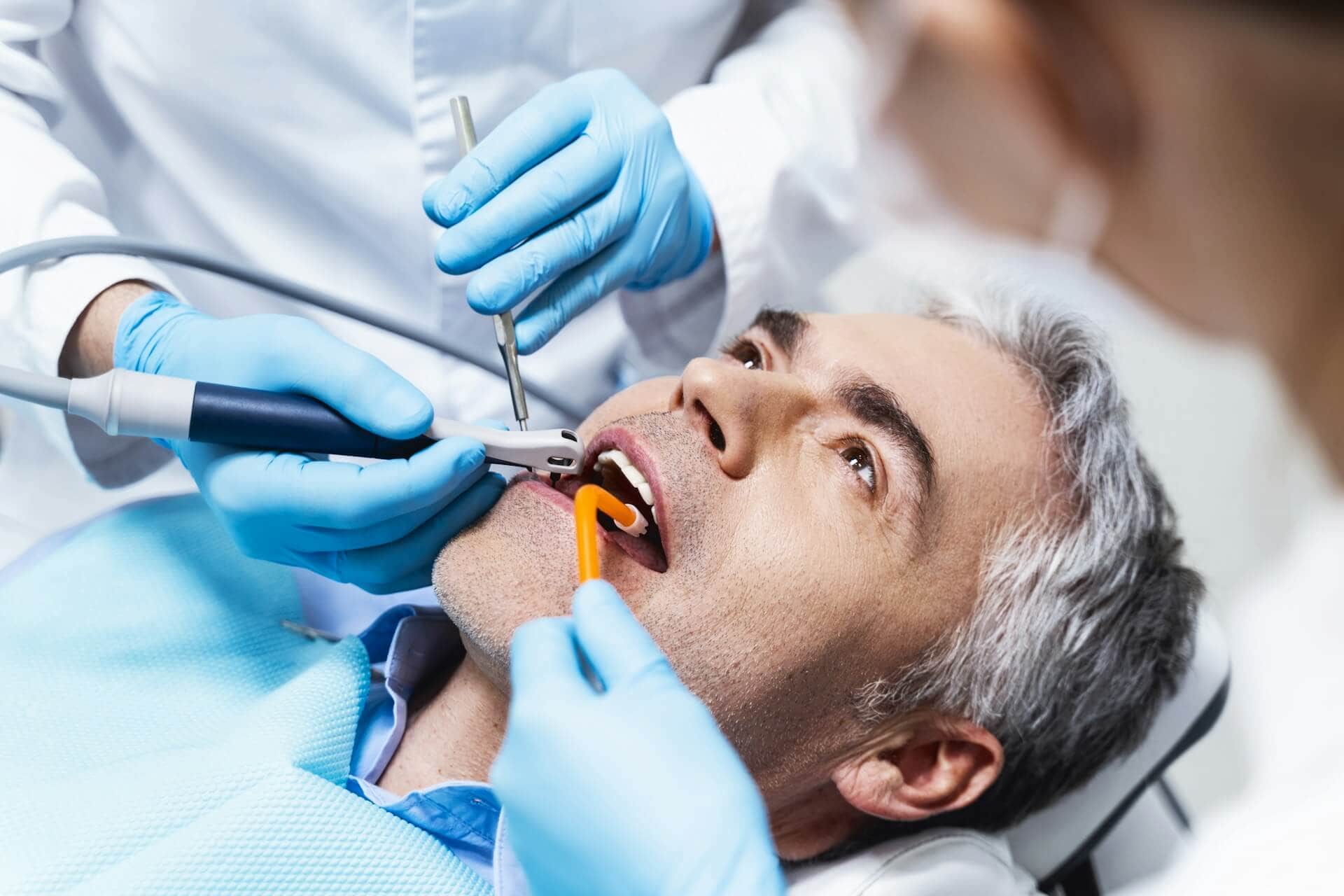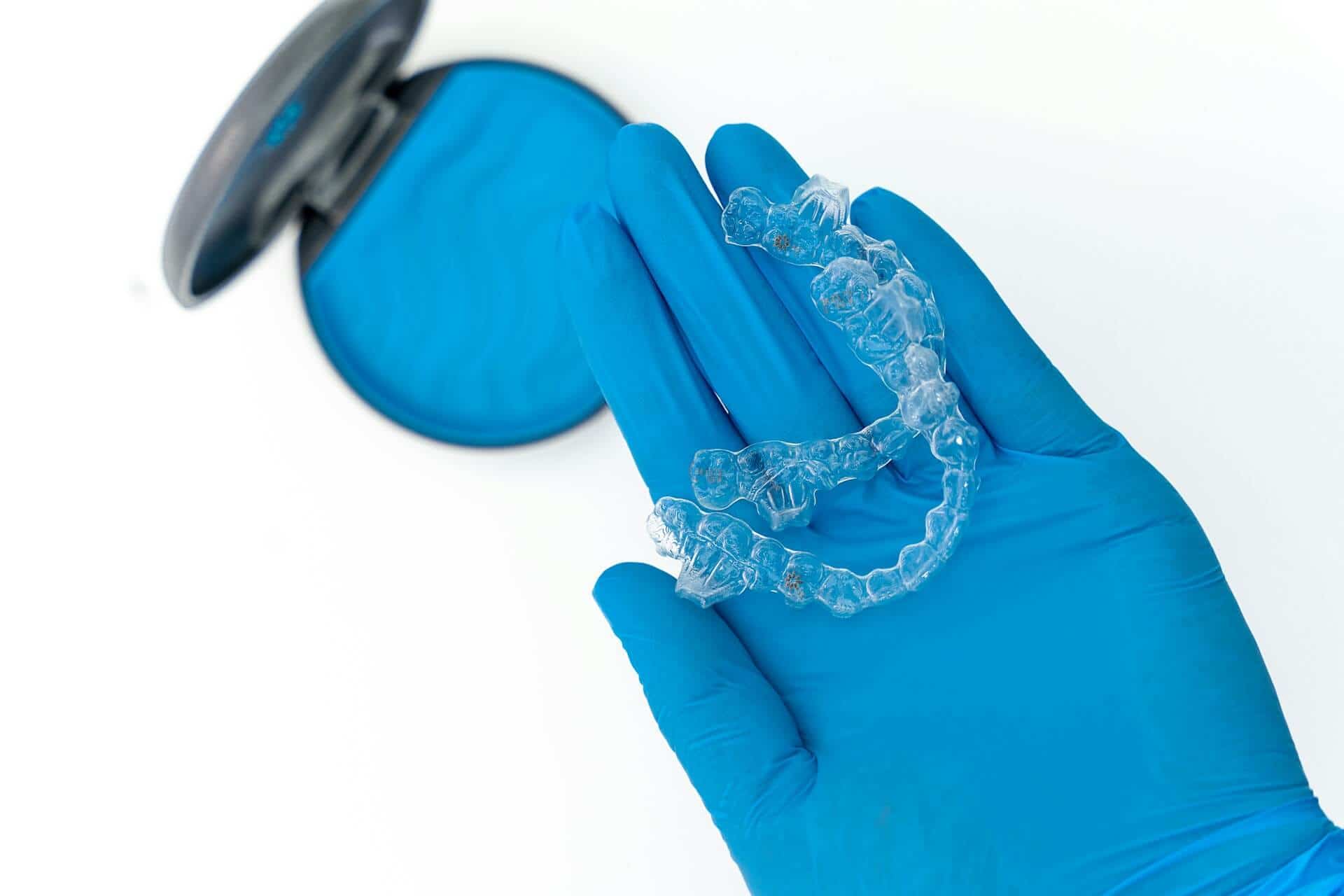
Ongoing tooth pain, sensitivity, or gum changes can be early signs of deeper dental problems. Knowing the signs that root canal therapy may be needed helps you take action before infection or damage becomes more severe. Early attention often makes treatment more comfortable and helps preserve the natural tooth.
At Dentist of Anaheim, root canal therapy is provided to treat infection, relieve pain, and protect the tooth structure whenever possible. Treatment focuses on addressing the underlying problem while maintaining comfort and long-term oral health. Prompt care helps prevent complications that may lead to tooth loss.
This article explains common symptoms linked to root canal issues, including pain patterns, infection signs, and gum changes. You will also learn when to see your dentist and why timing matters. Understanding these warning signs supports confident, timely decisions about care.
Common Warning Signs of Root Canal Issues
If you notice ongoing pain, unusual sensitivity, or swelling around a tooth, these are key signals that something inside your tooth may be damaged or infected. Paying attention to these signs early helps you get treatment before the problem gets worse.
Why Ongoing Tooth Pain Signals Pulp Damage
According to the American Dental Association (ADA), persistent tooth pain often indicates inflammation or infection inside the tooth pulp. This tissue contains nerves and blood vessels that can become damaged due to decay or trauma.
The ADA also explains that pulp damage does not heal on its own. Without treatment, pain may worsen, and infection can spread beyond the tooth.
Persistent Tooth Pain
Constant tooth pain that won’t go away is one of the most common signs that you might need a root canal. This pain can be sharp, throbbing, or dull, and may get worse when you bite down or chew. Sometimes, the pain may come and go but returns often.
If your pain lasts for several days or weeks, the nerve inside your tooth might be inflamed or infected. Ignoring this pain can lead to more serious problems.
Prolonged Sensitivity to Hot or Cold
If your tooth stays sensitive for a long time after eating or drinking something hot or cold, this can mean the nerve inside is struggling. Normal sensitivity goes away quickly, but if it lingers, it may signal damage.
You might feel sharp discomfort or a dull ache after exposure to temperature changes. This sensitivity shows that the pulp inside your tooth is irritated or infected. Getting this checked early can protect your tooth from further harm and avoid more invasive treatment.
Gum Swelling or Tenderness
Swelling or tenderness in the gums near a tooth can be a clear warning sign of root canal issues. You might see a small bump or pimple-like spot on your gum. This happens when infection spreads from the tooth to the surrounding tissue.
Your gum may also feel sore or tender when you touch it, and the area might be red or swollen. This swelling is a sign that infection needs attention.
Symptoms That Indicate Infection
When an infection affects the center of your tooth, certain signs often show up clearly. These symptoms can help you know when it might be time to get a root canal from your Anaheim dentist.
Discoloration of the Tooth
If your tooth starts to look darker than usual, it could mean infection inside the pulp. This happens because damaged tissue inside the tooth breaks down and changes color. You might notice shades of gray, brown, or even black.
Discoloration does not always hurt at first, but it’s a warning that the nerve may be dying. If you see your tooth looking different and it won’t go away, it’s smart to get it checked.
Presence of Pus or Abscess
You might see or feel a small bump or swelling near the base of the tooth. This happens when pus builds up from an infection and forms an abscess. The bump may be tender or painful, and your gums can look red and swollen around it.
Abscesses show that the infection has spread beyond the tooth. If ignored, they can cause more serious problems. If you notice pus, swelling, or a blister near your tooth, contact your Anaheim dentist right away for treatment.
Foul Taste or Odor in the Mouth
A bad taste or smell that won’t go away can mean there is an infection in the tooth or gums. This happens because pus and bacteria produce gases and liquids that smell unpleasant. Even if you brush well, the bad odor may stay or get worse.
If you notice a constant foul taste or bad breath linked to one tooth, it should be checked. This symptom usually points to an infection you shouldn’t delay treating.
Physical Changes in the Gums
Changes in your gums often show early signs that root canal therapy might be needed. Pay attention to any swelling or bumps along the gumline, as these can signal infection or damage affecting the tooth’s root.
Swelling Along the Gumline
If you notice swelling along your gumline, it could mean there’s an infection or irritation near the tooth’s root. This swelling might look like puffiness or a raised area around one tooth. It can feel tender or sore, especially when you touch it or chew food.
Swollen gums happen when bacteria enter deep inside the tooth and cause inflammation. This can lead to pressure buildup, making your gums puff up as your body tries to fight the infection. If left untreated, the problem might worsen and increase pain or sensitivity.
Formation of Bumps on the Gums
Bumps on your gums, sometimes called gum boils or abscesses, are a key sign of root canal problems. These small, round lumps may contain pus and usually form near the root tip. They may feel sensitive or painful, and sometimes drain fluid with a bad taste.
These bumps happen because your body tries to push out infection from inside the tooth. If you see this kind of bump, it’s important to get dental care quickly.
Worsening Discomfort and Pain
If your tooth pain is getting worse over time, it may be a sign that root canal therapy is needed. You might notice there’s more pain when you chew, or sharp throbbing that keeps you awake at night. These symptoms mean your tooth’s nerve could be damaged or infected.
Increasing Pain When Chewing
Pain that grows stronger when you bite down or chew can indicate serious tooth trouble. This discomfort usually starts as mild sensitivity but can turn into sharp pain. The cause is often pressure on an infected or inflamed nerve inside the tooth.
You might feel pain not only in the affected tooth but also in nearby teeth or your jaw. Eating hard or hot foods may make the pain worse. If this happens, it’s important to see a dentist quickly.
Nighttime Throbbing Pain
Pain that wakes you up at night or keeps you from sleeping is a common warning sign. This throbbing feeling often means the infection inside the tooth is spreading. It can feel like a constant dull ache that flares up without warning.
Nighttime pain may get worse when you lie down because blood flow increases to your head. That can raise the pressure inside the tooth and cause more pain. If you experience this, don’t wait to get checked. Early root canal therapy can stop infection and save your tooth before the problem gets worse.
When to Visit Your Dentist
You should see your dentist if you notice any signs of tooth pain that lasts for more than a day or gets worse over time. Sharp or constant pain when biting or chewing can mean the nerves inside your tooth are damaged.
If your tooth becomes sensitive to hot or cold, or if you see swelling in your gums near a tooth, it’s a good idea to make an appointment. These symptoms could mean an infection is developing inside your tooth.
Look for changes like darkening of a tooth, gum tenderness, or a small pimple on your gums. These signs often mean the pulp inside the tooth is affected and root canal therapy might be needed.
Signs to Watch For | What They Might Mean |
Pain that won’t go away | Possible nerve damage or infection |
Sensitivity to hot/cold | Inflamed or infected pulp |
Swollen or tender gums | Infection spreading beyond tooth |
Dark or discolored tooth | Dead or dying nerve tissue |
Prompt treatment helps save your tooth and prevents more serious problems later. Your dentist will guide you through any care you need with gentle, modern tools designed for comfort.
Recognizing When Root Canal Care Is Needed
Symptoms such as persistent pain, swelling, sensitivity, and tooth discoloration often point to problems inside the tooth. Recognizing these signs early helps prevent infection from spreading and reduces the risk of tooth loss. Timely care supports better comfort and outcomes.
At Dentist of Anaheim, root canal therapy focuses on treating infection while preserving the natural tooth whenever possible. Care is planned to relieve discomfort and restore function with a patient-centered approach.
If you notice changes in tooth color, pain that does not improve, or swelling near a tooth, scheduling a dental evaluation is important. Early treatment can protect your smile and prevent more complex procedures later.
Frequently Asked Questions
Understanding when root canal therapy is needed can help you take timely action. You might notice different symptoms, causes, and recovery details that affect your choice. Costs and ways to avoid more serious problems also play a role.
How can I tell if I need a root canal instead of just a filling?
If your tooth pain is sharp, lasts longer than a few minutes, or worsens with hot or cold, it could mean the inside of your tooth is infected. A filling only treats decay on the surface, while a root canal cleans out damaged or infected pulp inside the tooth.
Are there ways to prevent the need for root canal therapy?
Good oral hygiene is key. Brushing twice a day, flossing daily, and visiting your dentist every six months help catch problems early. Avoid hard foods that can crack your teeth and get prompt care for cavities.
What might be some side effects after undergoing a root canal treatment?
You may feel some tenderness or mild pain for a few days. Swelling or sensitivity when biting is normal but should improve quickly. Your dentist can recommend pain relievers or gentle care during healing.
Can you explain the typical recovery time following a root canal procedure?
Most people feel better within a few days. Full healing of the bone around the tooth can take weeks. Avoid hard or chewy foods right after treatment to protect the area.
What are some common causes that lead to the necessity of a root canal?
Deep decay, repeated dental procedures on the same tooth, cracks, or trauma can damage the tooth pulp. Without treatment, the infection can spread, increasing the need for root canal therapy.
How much does a typical root canal cost?
Costs vary by tooth location and complexity but usually range from a few hundred to over a thousand dollars. Insurance often covers part of the treatment. Many dental offices offer personalized plans to fit your budget and needs.