Metal braces are still a trusted choice for straightening your smile, even with newer options getting more attention. They’ve been used for decades, and their results are well understood. For many patients, that consistency brings peace of mind when starting treatment.
At Dentist of Anaheim, we often meet patients who feel unsure because of all the newer orthodontic options. It’s completely normal to wonder what works best, especially when you want something reliable and effective.
In this guide, you’ll learn how metal braces work, what they can fix, how long treatment usually takes, and how they compare to other options. We’ll also walk through daily care, comfort tips, and what to expect along the way so you can feel confident in your decision.
Why Many Patients Still Choose This Option
Metal braces have straightened teeth for decades. Even with newer options popping up, people still choose them all the time. They’re tough, reliable, and can tackle everything from simple crowding to tricky bite issues. That’s probably why so many orthodontists stick with them.
These braces work by applying steady, controlled pressure to your teeth. That predictability? It’s a major reason orthodontists recommend them, even with other options available.
If you’re thinking about orthodontic treatment and aren’t sure if traditional braces fit, booking a consultation with a local orthodontist is your best move.
Where Traditional Braces Still Shine
Traditional metal braces give the kind of control you just can’t get from other systems. For folks dealing with major crowding, bite problems, or jaw issues, fixed braces let the orthodontist move each tooth exactly where it needs to go. That level of precision really shows up in complex cases.
And honestly, they’re one of the most budget-friendly orthodontic choices around. That makes them a practical pick for a lot of families.
When Adults Prefer a Fixed Solution
More adults wear braces than you might expect. Many like fixed braces because you don’t have to remember to take them out and put them back in all day. Since the appliance stays in place, it keeps working—no chance of delays from forgetting to wear aligners.
How an Orthodontist Decides if They Fit Your Case
Orthodontists review X-rays, check your bite, and look at tooth positions before recommending a plan. If your case requires significant tooth movement, bite correction, or jaw alignment, metal braces often deliver the most reliable results.
How Braces Move Teeth Into Better Alignment
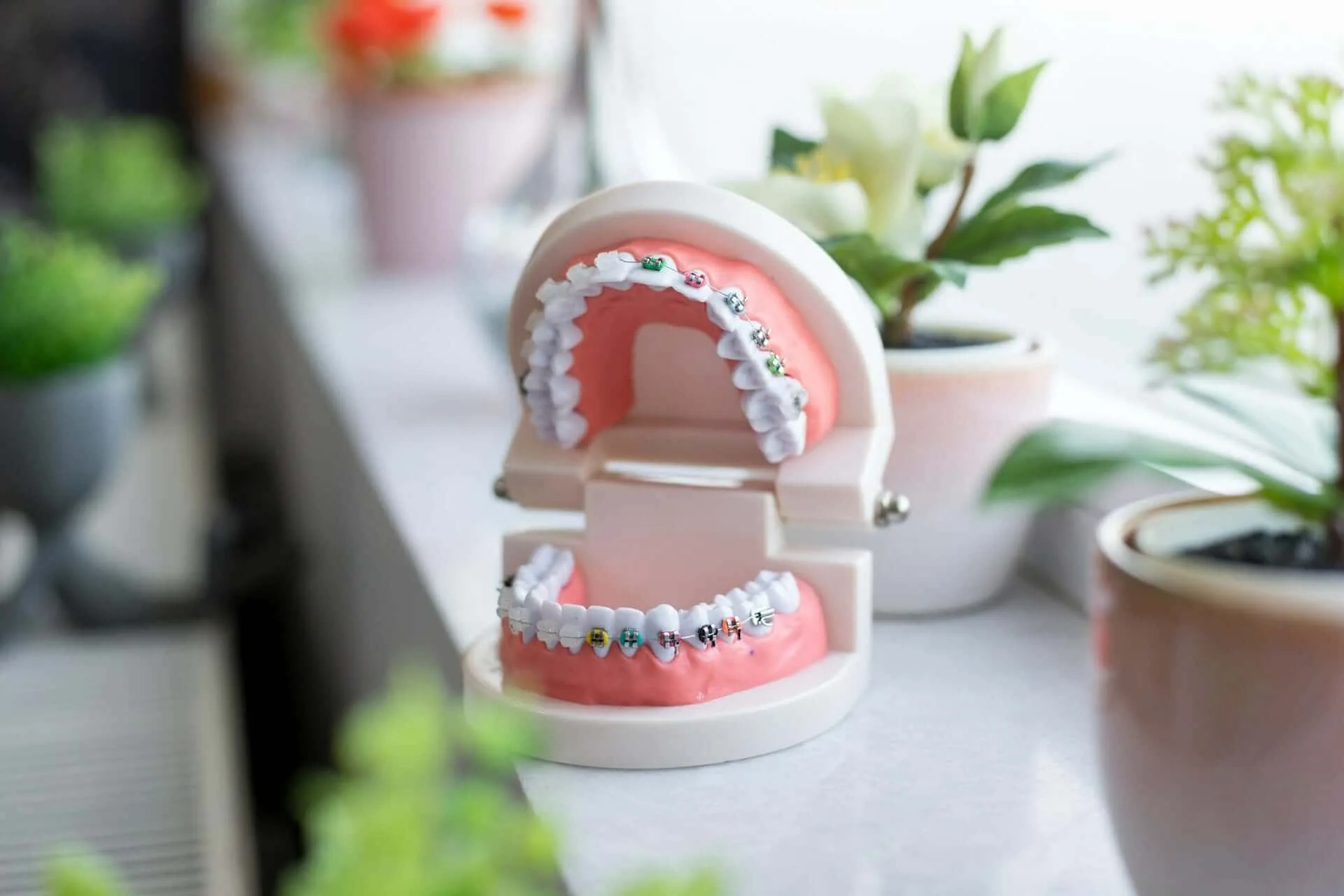
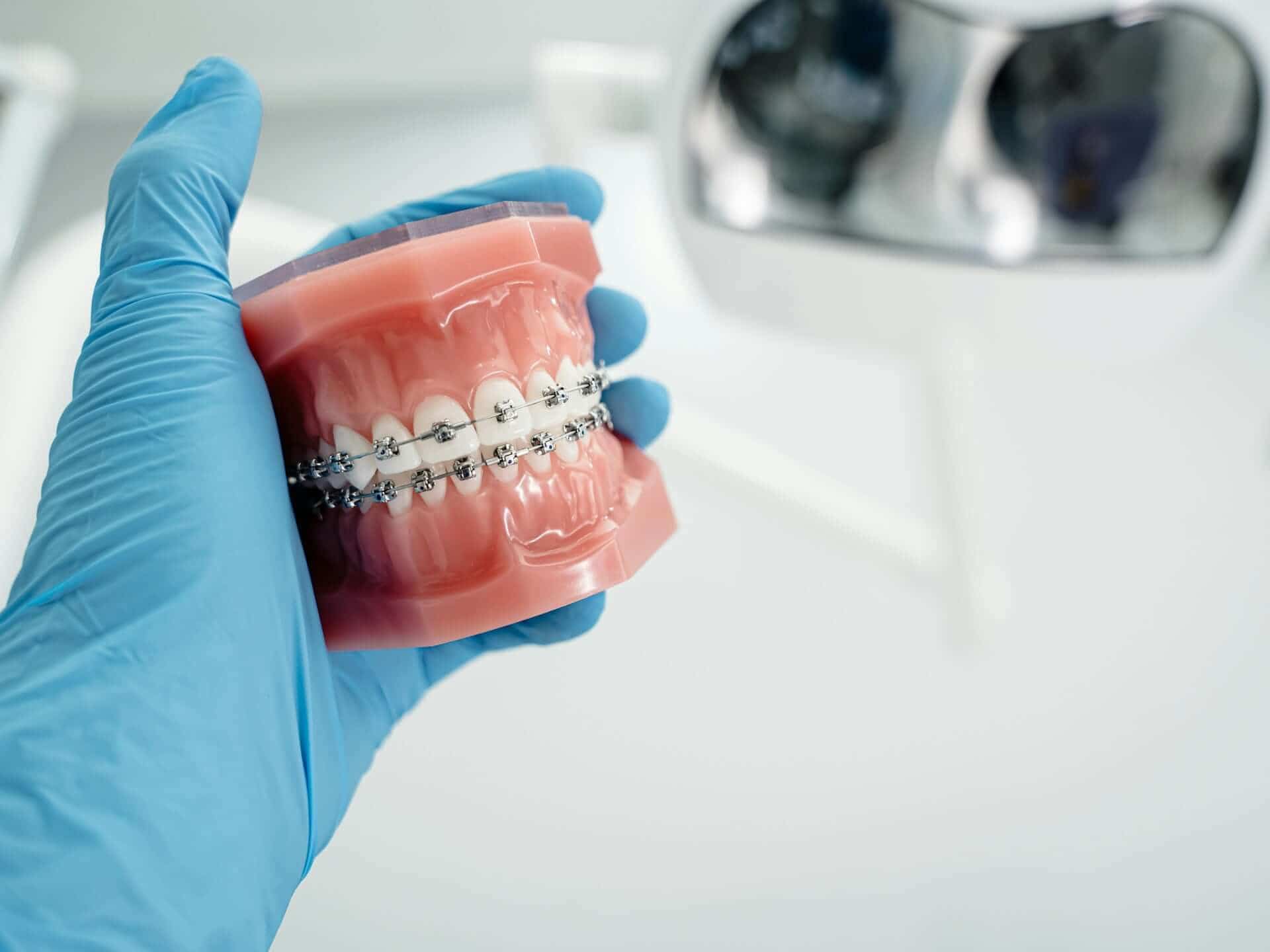
Metal braces use brackets, wires, and tiny elastic bands to slowly shift teeth into better positions.
Each part has a job, and together they create steady pressure that moves teeth. Regular orthodontic visits let your provider monitor progress and make adjustments as your smile changes.
Why Slow Tooth Movement Protects Your Oral Health
Metal braces are designed to move teeth gradually, and that pacing is important for long-term health. According to the American Dental Association, controlled pressure allows the surrounding bone and tissues to adapt safely, reducing the risk of damage.
This steady process helps keep both teeth and supporting structures stable throughout treatment.
Rushing tooth movement can lead to complications like root shortening or gum issues. A slower, guided approach ensures that each adjustment supports healthy alignment rather than forcing it. This is one of the reasons metal braces remain a trusted option for predictable outcomes.
The Role of Brackets, Wires, and Ligatures
Stainless steel brackets get bonded right onto each tooth. An archwire threads through the brackets, guiding the teeth as they move. Ligatures—those little rubber bands—hold the wire in place.
At each visit, the orthodontist swaps out the ligatures, and you can usually pick fun colors if you want.
How Pressure Creates Predictable Tooth Movement
When the archwire sits a bit tighter than your teeth’s natural position, it creates gentle pressure. Your bone tissue responds by allowing teeth to shift. Over months, this process lines everything up. It’s slow on purpose, which helps keep roots and bone healthy.
What Happens During Adjustment Visits
Adjustments usually happen every four to eight weeks. The orthodontist checks progress, changes wires if needed, and replaces ligatures. These visits are quick but important—they keep your braces working right.
Skipping appointments can drag out your treatment, so consistency really matters.
The Bite and Spacing Problems They Can Correct
Metal braces fix a wide range of dental and jaw issues. Whether you’ve got crooked teeth, gaps, or more complicated bite problems, fixed braces give orthodontists the tools to make real changes. The goal isn’t just a nice smile—it’s teeth and a bite that work well, too.
Crowding, Crooked Teeth, and Gaps
Crowding happens when there’s not enough room for all your teeth. Braces apply pressure to move overcrowded teeth into better spots. They close gaps and straighten teeth that have drifted out of line over time.
Overbite, Underbite, and Crossbite Changes
Overbite: The upper front teeth overlap too far over the lower teeth.
Underbite: Lower teeth sit in front of the uppers when you bite down.
Crossbite: Some upper teeth sit inside the lower instead of outside.
Metal braces, sometimes with rubber bands or other tools, can fix all three bite problems. The orthodontist will tailor your plan based on your specific bite and how severe the issue is.
Jaw Alignment and More Complex Cases
Some people have jaw alignment issues that cause bite problems, discomfort, or uneven tooth wear. Metal braces can team up with other appliances, like expanders, to tackle tougher cases. If you need extra tools, your orthodontist will let you know.
How Long Does Treatment Usually Take
Treatment time depends on your case, age, and how well you follow instructions. Most folks wear metal braces for 18 to 24 months, but it can vary. Knowing what affects the timeline helps set realistic expectations from the start.
What Affects Your Timeline
Several things can change how long braces take:
Severity of your case: Mild crowding moves faster than complex bite corrections.
Age: Adult bones are fully developed, so teeth move more slowly than in teens.
Consistency of visits: Skipping appointments slows everything down.
Following guidelines: Avoiding foods that break brackets keeps things on track.
How Long Do Braces Take in Mild vs Complex Cases
If you just need minor spacing or mild crowding fixed, you might finish closer to 18 months. Trickier cases with bite or jaw issues can stretch to 24 months or more. After your first visit, the orthodontist will give you a better estimate.
Why Retainers Matter After Braces
When braces come off, wearing a retainer is crucial. Teeth naturally want to drift back without support. The retainer keeps everything in place while the bone stabilizes. Skipping it can undo all that hard work—nobody wants that.
Comparing Metal Braces With Other Choices
You have several types of braces and orthodontic systems to pick from these days. Knowing the differences helps you talk through your options with the orthodontist. Metal braces are still one of the most efficient choices, but other options might fit your style, needs, or budget better.
Ceramic Braces vs Metal Braces
Feature | Metal Braces | Ceramic Braces |
Visibility | More noticeable | Less noticeable |
Durability | Very durable | Slightly more fragile |
Cost | Generally lower | Generally higher |
Treatment speed | Efficient | Can be a bit slower due to friction |
Staining risk | None | Brackets or bands might stain |
Ceramic braces use tooth-colored brackets instead of metal. They blend in, which appeals to people who worry about how braces look. Clear systems like ceramics work for many, but orthodontists may still suggest metal for tougher corrections.
Clear Braces vs Metal Braces, Invisalign®, Clear Aligners, and Removable Options
Invisalign and other clear aligners use a series of removable, see-through trays to shift teeth. Adults love them for being discreet and hardware-free. They work well for mild or moderate cases, but you have to wear them 20 to 22 hours a day—no slacking!
For complex cases, metal braces usually give more predictable results. The orthodontist can steer each tooth directly, start to finish.
Lingual and Self-Ligating Systems
Lingual braces get attached to the inside of your teeth, so nobody sees them from the front.
They work much like regular braces, but can feel less comfortable and are harder to clean. Self-ligating brackets use a built-in clip instead of rubber bands, which might mean less friction and fewer adjustment visits.
Cost, Insurance, and What You're Paying For
The price tag for metal braces is usually one of the first things people ask about. These braces are often the most affordable orthodontic option, making them accessible for many families. Total cost depends on a handful of factors, but payment plans can help spread things out.
Metal Braces Cost Compared With Other Systems
Metal braces generally cost less than ceramics, lingual systems, or Invisalign. Lower material costs and a straightforward process help keep prices down. For families on a budget, traditional braces often give the best value for the amount of correction you get.
What Changes the Cost of Braces
The complexity of your case
If you need extra appliances, like expanders
The length of your treatment
If you’re an adult or a younger patient
Adult braces can cost a bit more than treatment for teens. That’s usually because adult teeth move more slowly, so treatment takes longer.
Questions to Ask About Payment Options
Most orthodontic offices accept PPO insurance, and many dental plans cover part of the cost for patients under 18. Adults might get less coverage, depending on the plan. It’s smart to ask about monthly payment plans or financing to help make the cost more manageable.
Daily Care, Comfort, and Avoiding Common Problems
Taking care of your teeth with fixed braces takes a bit more effort, but you’ll get used to it. Good habits protect your teeth from cavities and gum issues, and they keep your treatment on track. A few small daily routines make a big difference in your final results.
Brushing and Cleaning Around Brackets
Brushing with brackets means paying extra attention. Food and plaque collect around brackets and along the gumline. Use a soft-bristled toothbrush and angle it toward the gums, then toward the brackets, to clean everywhere.
Interdental brushes—those tiny cone-shaped ones—fit between brackets and wires to clean tough spots. Flossing is trickier with braces. A floss threader helps you guide floss between the wire and your teeth so you can reach every spot.
Managing Soreness and Irritation
Some soreness is normal when braces go on or after adjustments. It usually fades in a couple of days. If brackets or wires irritate your cheeks or lips, orthodontic wax is an easy fix. Just press a bit over the rough spot for quick relief.
Soft foods help during the first day or two after adjustments. They make eating easier while your teeth get used to the new pressure.
Foods to Avoid and What to Eat Instead
Sticky, chewy, or hard foods can break brackets or wires. Skip things like caramel, gum, popcorn, and hard candy. Instead, go for softer options—think pasta, yogurt, bananas, or steamed veggies. If you want crunchy foods, cut them into small pieces and chew carefully.
Cutting apples or carrots into thin slices works better than biting straight in. Trust me, it saves you a lot of hassle.
Dealing With Broken Brackets or Poking Wires
If a bracket pops off or a wire pokes your cheek, don’t panic. Cover sharp spots with wax and call your orthodontist for a quick fix. Try not to bend or cut wires yourself. Most offices can fit you in fast for repairs.
Ignoring broken brackets can slow your progress, so handle issues as soon as you notice them.
What to Expect: Life With Metal Braces
Getting used to braces takes a little time, but it’s not as tough as you might think. You’ll notice your teeth feel different at first, and there’s a learning curve with eating and cleaning. After a week or two, most people settle into a rhythm.
Your speech might sound a bit off for a few days, especially if you have new appliances. Most folks adjust quickly, though—give it a week, and you’ll barely notice.
Friends and family will probably ask about your braces. Some people love picking out new band colors at each visit—it’s a fun way to show personality.
Sports, Music, and Activities With Braces
If you play sports, wearing a mouthguard protects your teeth and braces from injury. Custom-fit guards work best, but even a basic one is better than nothing. Musicians playing wind or brass instruments might need a little practice to adjust, but most adapt just fine.
Traveling or Busy Schedules
If you travel or have a busy schedule, pack a travel toothbrush, floss, and wax. That way, you can handle quick cleanups or emergencies on the go. Keeping up with appointments is important, so try to schedule ahead if you’ll be away.
Why Metal Braces Still Make Sense for Many
Metal braces have stuck around for good reasons—they’re strong, affordable, and work in almost any case. For tough tooth movements, bite issues, or jaw alignment, fixed braces give orthodontists the control they need. And while they’re visible, they get the job done efficiently.
Some folks want the fastest path to a better smile, and metal braces often deliver that. Others care more about appearance and pick ceramic or clear aligners. There’s no one-size-fits-all, but metal braces remain a solid choice for lots of people.
Making the Decision: What’s Right for You?
Choosing an orthodontic treatment is a personal decision. Think about your goals, your budget, and your daily routine. Talk through your options with your orthodontist—they’ll help you weigh the pros and cons for your unique case.
If you want a reliable, cost-effective way to fix your smile, metal braces are hard to beat. But if you’re drawn to less visible options and your case allows it, ceramic or clear aligners might work too.
Final Thoughts
Braces, especially metal ones, still play a big role in modern orthodontics. They’ve helped millions achieve healthier, straighter smiles. Whether you’re a teen, an adult, or somewhere in between, you’ve got choices.
Take your time, ask questions, and pick the path that feels right for your smile and your life. And hey, a little patience now means a lifetime of confident grins down the road. Worth it? Most would say yes.
Foods, Habits, and Bracket Breakage
Bracket breakage happens a lot and really slows down progress. Want to keep your braces safe? Try these tips:
Stay away from hard foods—ice, nuts, and hard candy are big culprits.
Skip sticky stuff like caramel, gummy candies, and taffy. They just aren’t worth it.
Chop crunchy fruits and veggies into small pieces before you eat them.
Don’t chew on pens, your fingernails, or any random hard objects.
If a bracket breaks or an archwire gets loose, don’t just wait. Call the orthodontist right away to fix it, instead of holding off until your next appointment.
A Reliable Path Toward a Healthier, Straighter Smile
Metal braces remain one of the most dependable ways to straighten teeth and correct bite issues. Their ability to handle simple and complex cases makes them a strong option for many patients.
At Dentist of Anaheim, we understand that choosing the right orthodontic treatment can feel overwhelming. Our goal is to help you feel informed, comfortable, and confident every step of the way.
If you’re considering metal braces and want clear, personalized guidance, schedule your consultation today. Take the first step toward a healthier, more confident smile with a plan designed just for you.
Frequently Asked Questions
Are metal braces better than clear aligners?
Metal braces are often better for complex cases because they give orthodontists more control over tooth movement. Clear aligners work well for mild to moderate issues but require strict daily wear. The best option depends on your specific needs.
Do metal braces hurt?
You may feel some soreness when braces are first placed or after adjustments. This usually fades within a few days as your teeth adjust. Over-the-counter pain relief and soft foods can help during this time.
How long do metal braces take?
Most treatments last between 18 and 24 months, depending on the complexity of your case. Mild alignment issues may take less time, while more complex corrections can take longer. Your orthodontist will provide a personalized estimate.
Can adults get metal braces?
Yes, adults can absolutely get metal braces and achieve great results. Treatment may take slightly longer than in teens, but it is still very effective. Many adults choose braces for their reliability and precision.
How do I take care of my teeth with braces?
Brush carefully around brackets and wires at least twice a day and floss daily using a threader. Avoid sticky or hard foods that can damage braces. Regular dental visits also help keep your teeth healthy during treatment.