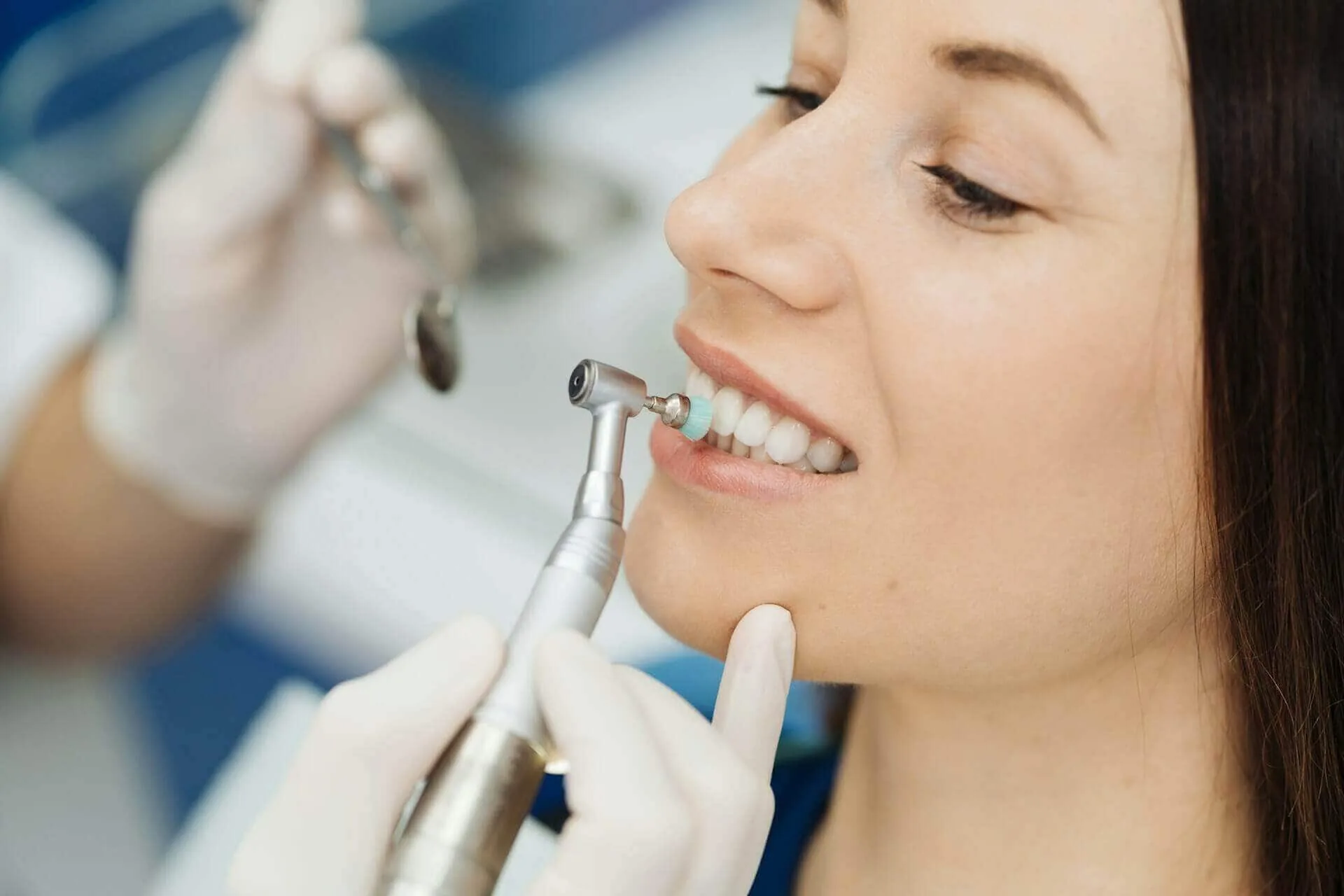
Root canal treatment can feel overwhelming, especially if you are worried about pain or sensitivity. The good news is that knowing how gentle root canal techniques help reduce stress and sensitivity has changed the experience for many patients, making care more comfortable and predictable.
At Dentist of Anaheim, we focus on gentle, patient-first care using modern tools and advanced techniques. You receive clear explanations at every step, helping you feel more at ease and in control during your visit.
In this article, you will learn how these techniques work, why they matter, and how they support a calmer, more comfortable root canal experience from start to finish.
What Is a Root Canal?
A root canal is a dental procedure that treats infection inside a tooth. When bacteria reach the soft tissue called the pulp, they can cause pain and swelling. During treatment, the dentist removes the damaged pulp, cleans the inside of the tooth, and seals it to prevent further infection.
This process helps preserve your natural tooth, which supports long-term function and appearance. Most root canals take one or two visits, and modern numbing techniques help keep you comfortable throughout the procedure.
Common Misconceptions About Root Canals
Many people believe root canals are painful, but modern techniques have changed that experience. Dentists now use advanced tools and effective numbing methods, so most patients feel little to no discomfort during treatment.
Another common concern is treatment time. New technology allows dentists to work more efficiently while maintaining a gentle approach. After the procedure, you may notice mild sensitivity for a few days, but this typically improves with proper care.
Traditional vs. Gentle Techniques
Traditional root canals often required longer appointments and could cause more discomfort. Today, gentle root canal techniques use advanced tools such as rotary instruments and digital imaging to improve precision and efficiency.
These methods reduce pressure inside the tooth and limit irritation to surrounding tissues. As a result, patients experience less discomfort during treatment and reduced sensitivity afterward.
How Gentle Root Canal Techniques Work
Gentle root canal treatments rely on precise, patient-focused methods that protect your tooth while improving comfort. These techniques reduce pain, stress, and sensitivity by using targeted care, improved numbing options, and minimal tissue removal.
Minimally Invasive Approaches
Minimally invasive root canals focus on removing only the infected areas inside your tooth. This approach reduces unnecessary drilling and preserves healthy tooth structure. By keeping more of your natural tooth intact, dentists help support long-term strength and function.
Careful, targeted cleaning also reduces irritation to surrounding tissues. This leads to easier healing and lowers the risk of post-treatment sensitivity. Dentists use small, flexible instruments to gently reach and treat affected areas.
Advanced Anesthesia Options
Modern anesthesia plays an important role in keeping you comfortable. Dentists use local anesthetics that quickly numb the treatment area, helping you remain relaxed throughout the procedure.
For patients with dental anxiety, sedation options may also be available. These methods help reduce stress and create a calmer experience. Your dental team carefully monitors your comfort to ensure you feel minimal discomfort during treatment.
Modern Dental Technology
Advances in dental technology have made root canals more efficient and predictable. Digital X-rays provide detailed images, allowing dentists to plan treatment with accuracy.
Ultrasonic tools and advanced irrigation systems help clean infected areas gently while minimizing pressure. In some cases, laser technology supports precise bacteria removal and reduces inflammation. These innovations shorten treatment time and support a smoother recovery.
Reducing Stress During Dental Procedures
A calm and supportive environment can make a meaningful difference during your root canal. Dentists focus on comfort, communication, and preparation to help reduce stress at every stage of care.
Patient Comfort Methods
Your comfort remains a priority throughout treatment. Gentle instruments and precise numbing techniques help reduce discomfort while improving efficiency. Dentists also use methods that avoid unnecessary pressure on sensitive areas.
Small details can enhance relaxation. Soft music, supportive pillows, and warm blankets create a more comfortable setting and help your body stay at ease during the procedure.
Communication and Care
Clear communication helps you feel more in control. Your dentist explains each step in simple terms so you understand what to expect. This approach builds trust and reduces uncertainty.
You are encouraged to ask questions at any time. If you need a break, your dentist will pause to ensure your comfort. This collaborative approach helps create a calm and reassuring experience.
Pre-Procedure Stress Management
Preparing before your visit can help ease anxiety. Techniques such as deep breathing, listening to calming music, or visualizing a relaxing place can improve your comfort.
Bringing headphones or a favorite podcast can provide a helpful distraction. It is also best to avoid caffeine or sugar before your appointment, as they may increase nervousness. Speaking openly with your dentist about your concerns allows them to tailor your care to your needs.
Addressing Tooth Sensitivity After Treatment
After a gentle root canal, mild sensitivity is common and usually temporary. Understanding the cause and following proper care can support a smooth recovery and reduce discomfort.
Causes of Post-Treatment Sensitivity
Sensitivity often develops due to temporary inflammation in the treated area. The cleaning process can affect nearby tissues, and slight bite changes after a filling or crown may create pressure.
In most cases, this tenderness improves within a few days to a week. If discomfort continues or worsens, your dentist can evaluate the area to ensure proper healing.
Preventing Discomfort
You can take simple steps to reduce sensitivity after treatment. Avoid very hot or cold foods and drinks, and chew on the opposite side until your tooth feels normal. Using toothpaste designed for sensitive teeth may also help.
If needed, over-the-counter pain relief can support comfort when used as directed. If your bite feels uneven or discomfort increases, contacting your dental team early allows for quick adjustments.
Aftercare Recommendations
Maintaining good oral hygiene supports healing. Brush gently twice a day and floss carefully to keep the area clean. Avoid hard or sticky foods that may place stress on the treated tooth.
Follow your dentist’s recommendations, including any rinses or follow-up visits. If sensitivity lasts longer than expected, reaching out for evaluation helps prevent further issues.
Long-Term Benefits of Gentle Root Canal Techniques
Choosing gentle root canal techniques supports long-term oral health, improved comfort, and greater confidence in your dental care. These benefits can positively affect both your current experience and future visits.
Improved Oral Health Outcomes
Gentle techniques remove infection while preserving healthy tissue. This approach allows your tooth to heal fully and reduces the need for additional procedures. By maintaining a more natural structure, you support long-term strength and function.
Enhanced Patient Confidence
A more comfortable experience can change how you feel about dental visits. Gentle care helps build trust and reduces anxiety over time. As your confidence grows, it becomes easier to maintain regular dental care.
Faster Recovery and Healing
Because gentle methods reduce trauma to the tooth and surrounding tissues, your body can recover more quickly. Patients often experience less swelling and soreness, which allows them to return to daily activities sooner.
Modern tools and techniques support efficient care while maintaining a focus on comfort and precision.
A More Comfortable Root Canal Experience
Gentle techniques make a real difference in reducing pain, stress, and post-treatment sensitivity. With a more precise and careful approach, you can expect a smoother procedure and an easier recovery.
At Dentist of Anaheim, your comfort comes first. Our team uses modern tools and a calm, supportive approach to help you feel relaxed and confident throughout your visit.
If you have been putting off treatment due to fear or discomfort, you are not alone. Reach out today to learn how a gentler approach can help you move forward with confidence.
Frequently Asked Questions
What Are the Benefits of Gentle Root Canal Techniques?
Gentle techniques protect your tooth and surrounding tissue while reducing discomfort. They support quicker healing and help you return to your routine sooner.
How Does a Holistic Approach Help Reduce Discomfort?
A holistic approach considers your overall comfort. It may include relaxation methods and gentle care techniques that reduce both physical discomfort and stress.
Can Modern Root Canal Procedures Minimize Sensitivity?
Yes. Advanced tools and materials help protect the tooth and reduce sensitivity to temperature changes after treatment.
What Steps Help Create a Stress-Free Experience?
Clear communication, calming environments, and sedation options can help reduce anxiety. Relaxation techniques also support a more comfortable visit.
Are Non-Invasive Alternatives Effective?
Some less invasive options may reduce discomfort, but they are not suitable for every situation. Your dentist will recommend the most appropriate treatment for your needs.
How Can Relaxation Be Improved During Treatment?
Relaxation improves with supportive care, gentle techniques, and sedation options when needed. Simple methods like controlled breathing or listening to music can also help you stay calm.